

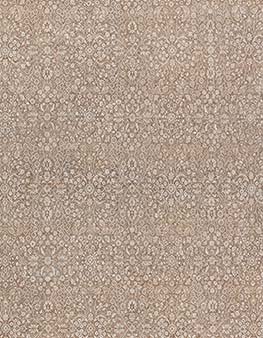
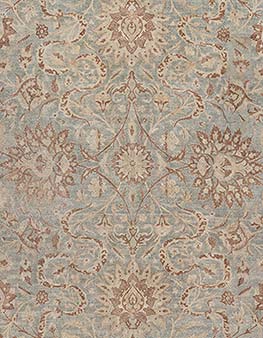
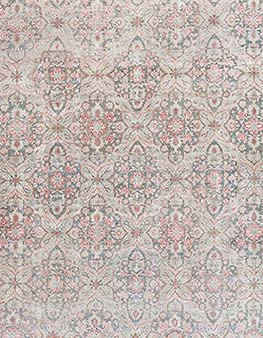
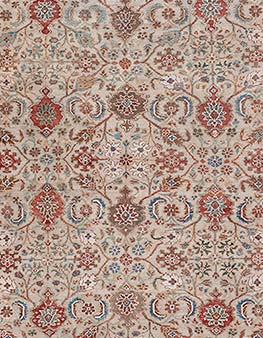
Persian Rugs
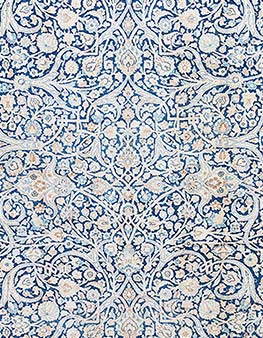
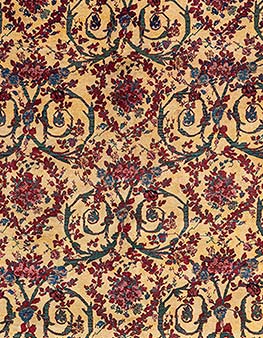
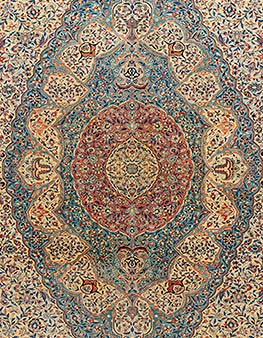
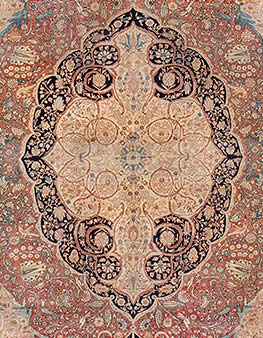
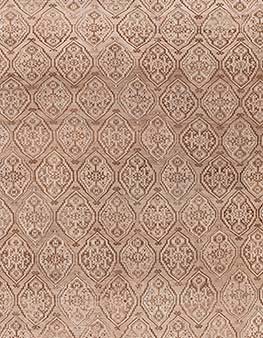
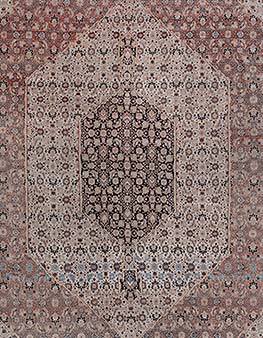
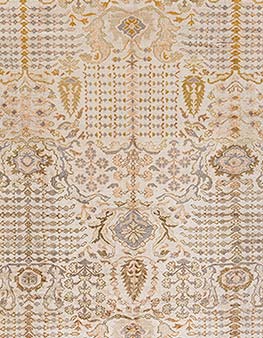
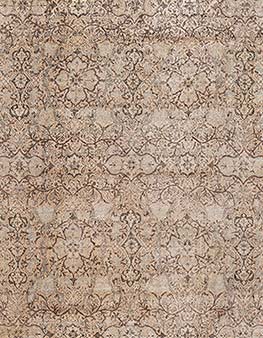
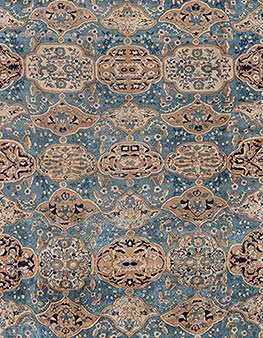
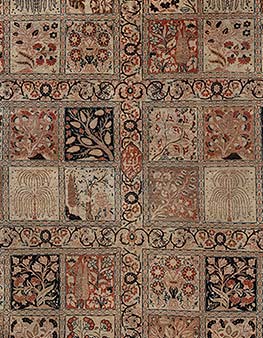
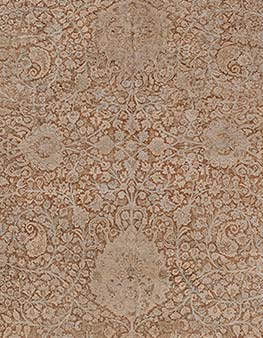
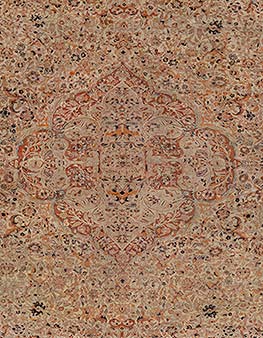
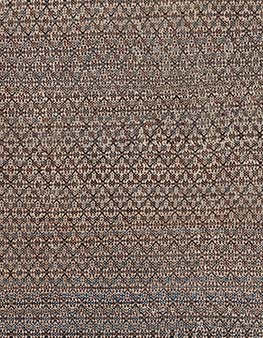
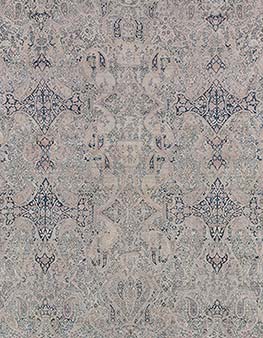
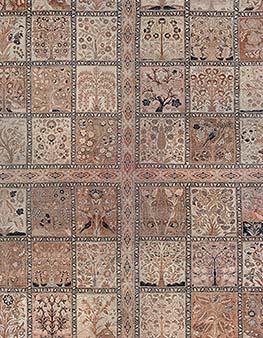
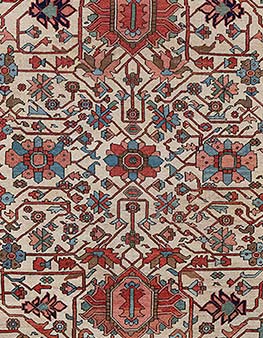
Persian rugs occupy a central place in the history of decorative carpets, valued for their regional character, hand-knotted construction, refined drawing and lasting usefulness in sophisticated interiors. This collection brings together antique Persian carpets and carefully selected Persian area rugs from important weaving centers and village traditions, including Tabriz, Kirman, Kashan, Sultanabad, Bidjar, Meshad, Heriz, Bakshaish, Malayer and related origins. For buyers comparing Persian rugs for sale, the most meaningful details are visible in the weave, wool or silk quality, age, palette, pattern scale, condition and the way a rug performs within a room.
Antique Persian Carpets for Designed Interiors
Many antique Persian rugs are typically 100+ years old, but their appeal is not limited to age. A well-chosen Persian carpet can anchor a formal living room, soften a contemporary loft, add architectural rhythm to a dining room, or bring warmth to a library, bedroom or gallery-like entry. Floral medallion carpets from Kashan or Tabriz often suit classical interiors, while open allover Sultanabad designs, geometric Heriz rugs and richly structured Bidjar carpets can feel remarkably current in modern spaces. Doris Leslie Blau has sourced rugs directly from estates, auctions, dealers and private collections since 1965, with attention to pieces that offer both design value and material integrity.
- Review origin and weaving center, such as Tabriz Rugs, Kirman / Kerman Rugs or Sultanabad Rugs.
- Compare wool, silk, pile height, foundation and knotting quality for durability and handle.
- Match pattern scale to the room: medallion, allover, floral, geometric or tribal.
- Check dimensions carefully for seating plans, dining clearances, runners and oversized rooms.
- Consider patina, restoration and color balance alongside visible listed pricing.
How Persian Rugs Differ by Region and Style
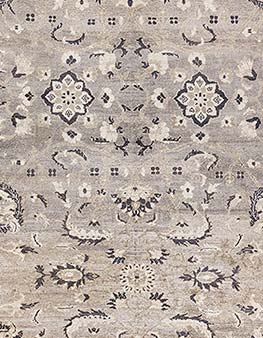
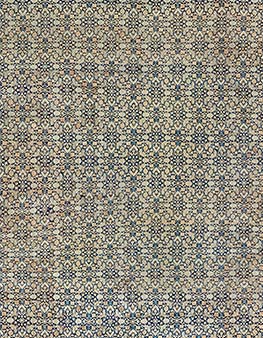
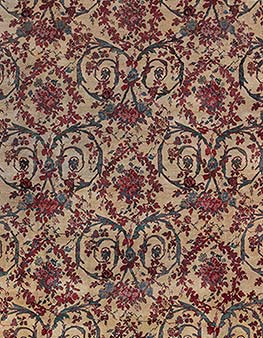
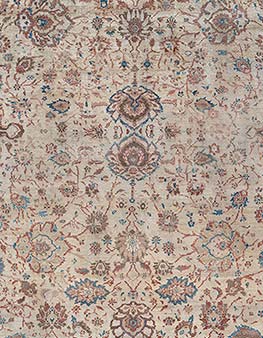
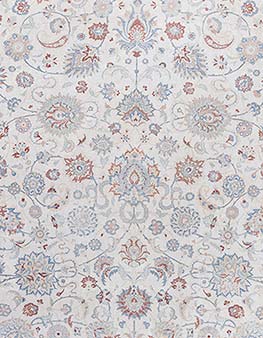
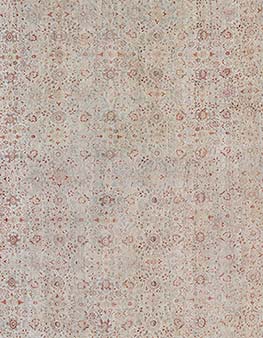
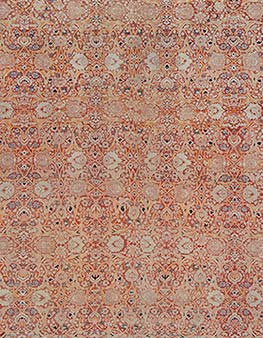
Persian carpet design is not a single look. Kashan Rugs are often admired for elegant floral fields and central medallions; Bidjar Rugs are known for dense, resilient construction; Kirman and Meshad carpets may offer graceful florals and softer decorative palettes; Heriz and Bakshaish rugs often bring bolder geometry and architectural presence. Sultanabad carpets are especially prized by interior designers for spacious patterns, generous proportions and colors that work well with antiques, contemporary upholstery and layered art collections. These differences help buyers select a rug for a specific design brief rather than simply choosing by color or size.
Buying Persian Area Rugs with Confidence
Serious rug buyers should evaluate each piece as both a work of hand craftsmanship and a furnishing object. Look at the clarity of the drawing, the balance of border and field, the quality of dyes, the evenness of wear and whether the rug’s proportions suit the intended furniture layout. An oversized antique Persian rug may define an entire open-plan space, while a smaller Persian area rug can create a focused moment under a desk, beside a bed or within a seating group. Runners, square rugs and room-size carpets each require different planning, especially in high-end residential and hospitality projects.
For projects requiring a precise footprint, Doris Leslie Blau can also support custom made and made-to-order rug conversations inspired by Persian motifs, palettes or construction traditions. This is not a substitute for the character of an antique hand-knotted rug, but it is useful when a designer needs a specific scale, color family or repeat for a new interior. Whether the goal is a rare collector’s carpet, a decorative antique Persian rug, or a practical luxury area rug with strong provenance indicators, this category is built for informed comparison.