

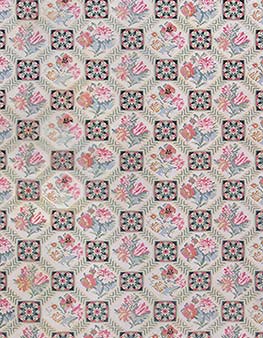
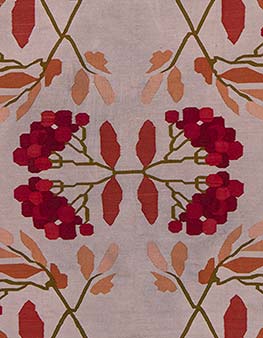
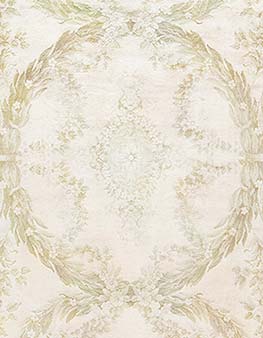
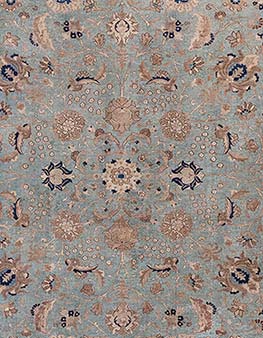
Floral Antique Rugs
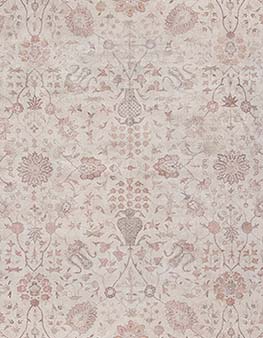
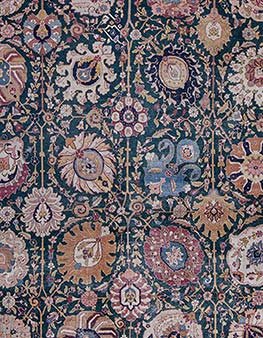
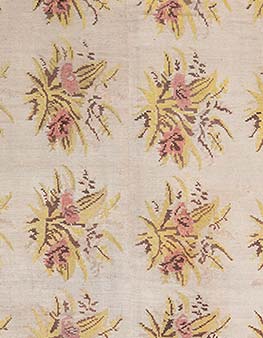
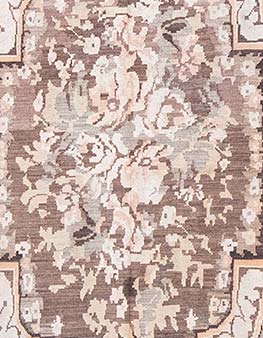
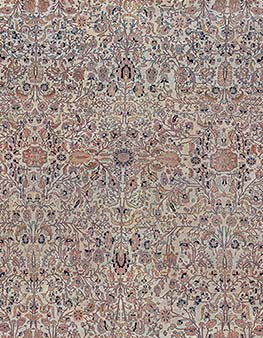
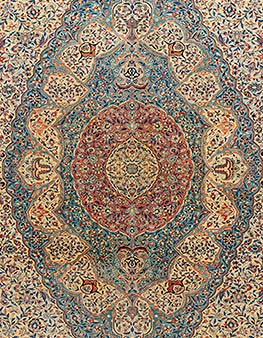
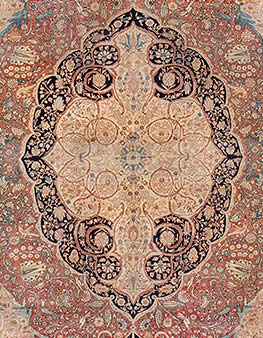
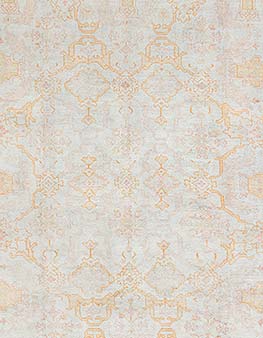
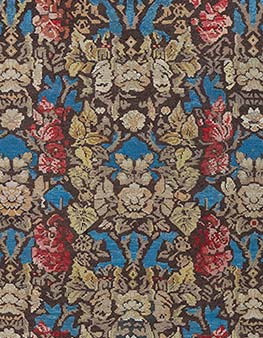
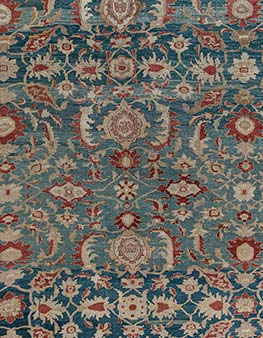
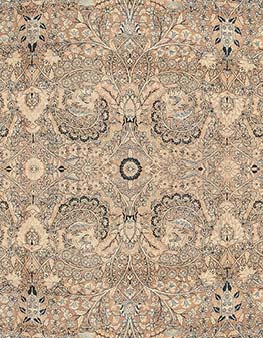
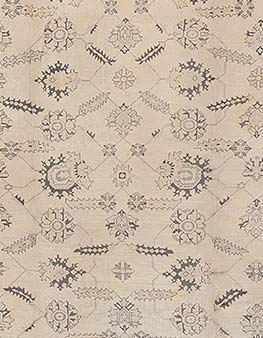
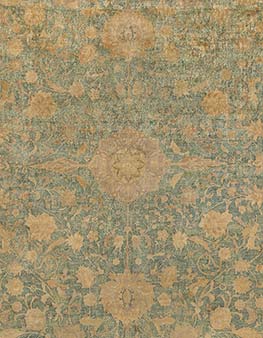
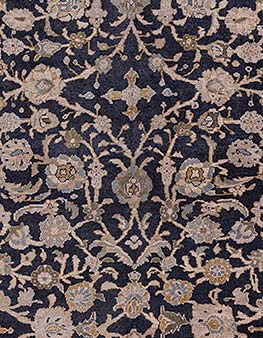
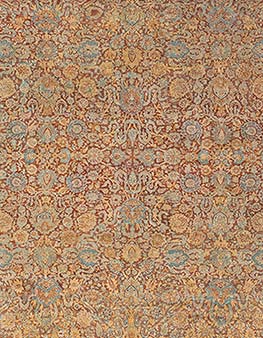
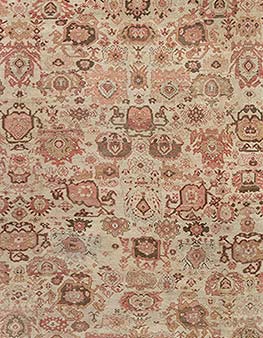
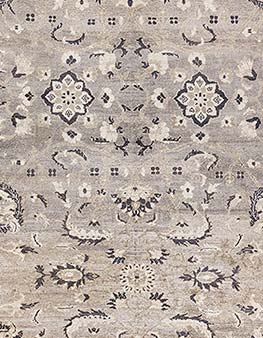
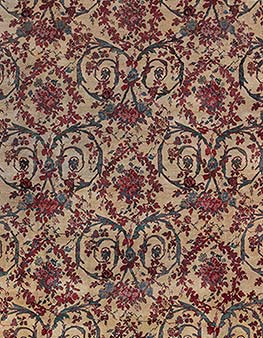
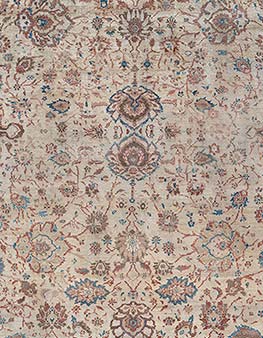
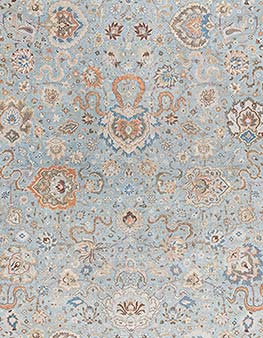
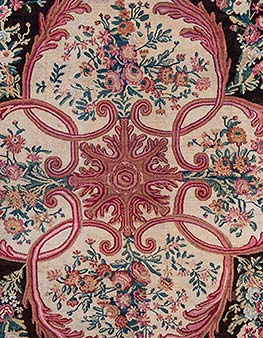
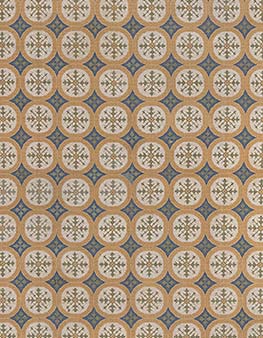
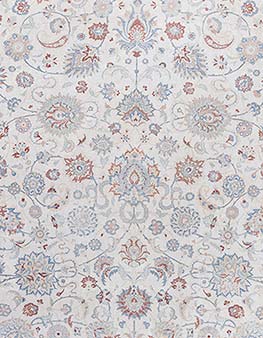
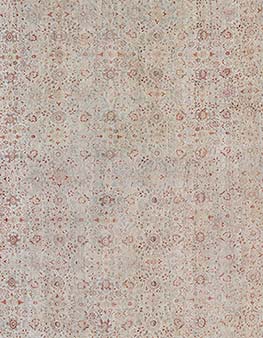
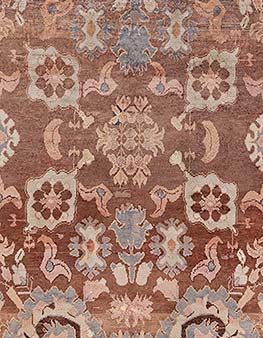
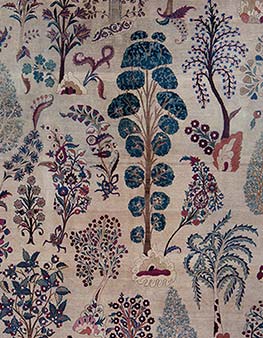
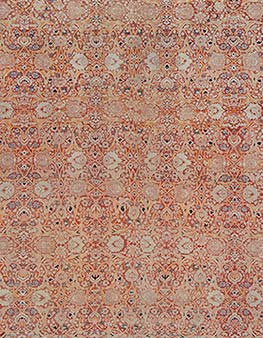
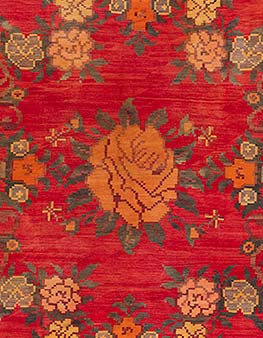
Floral antique rugs offer one of the richest visual languages in historic carpet design, from Persian garden compositions to European bouquet medallions and relaxed Turkish vine scrolls. In this Doris Leslie Blau collection, buyers can compare hand-knotted antique area rugs by origin, period, scale, palette, condition, and room use rather than by pattern alone. Many examples feature the design vocabulary sought by interior designers and collectors: palmettes, rosettes, arabesques, flowering branches, tree of life motifs, cartouches, borders, and soft abrash that gives old wool its depth.
Historic floral carpet traditions
The category spans major weaving centers and decorative traditions, including antique Persian rugs from Tabriz, Kashan, Kirman, Meshad, Bidjar, and Sultanabad; Turkish Oushak carpets with spacious drawing and mellow color; Indian Agra and Amritsar carpets known for generous scale; and French Aubusson or Savonnerie rugs with formal floral medallions. Bessarabian flatweaves, needlework rugs, and palace-size carpets add further range for clients seeking rare rugs with architectural presence. Antique rugs are typically 100+ years old, and many listings include circa dates that help buyers understand period, rarity, and decorative context.
Floral designs are especially useful in luxury interiors because they can soften strong architecture while still carrying structure. An allover floral field may unify a living room without forcing a central furniture plan, while a medallion carpet can anchor a formal dining room, library, or bedroom suite. Muted beige, tan, ivory, pale blue, rose, navy, crimson, and warm taupe palettes work well with antiques, contemporary upholstery, plaster walls, wood paneling, and collectible furniture. The best floral antique carpets do not simply add ornament; they establish proportion, mood, and a credible sense of history.
How to evaluate a floral antique rug
Serious buyers should look closely at construction, materials, and design balance. Hand-knotted wool rugs usually offer resilience and beautiful age-related patina, while silk or silk-highlighted rugs can provide finer drawing and a more formal surface. Condition should be assessed in relation to age, restoration, pile height, foundation, ends, edges, and whether the rug has been size adjusted. A reduced or fragmentary antique rug may still be highly decorative, but it should be chosen with full awareness of scale and placement.
- Choose allover floral patterns for flexible seating arrangements.
- Use medallion rugs where the room has a clear center point.
- Compare border width to furniture placement and traffic flow.
- Check palette under both daylight and evening lighting.
- Review exact dimensions before selecting oversized rugs or runners.
Decorative value for refined interiors
A floral antique carpet can suit traditional, transitional, and contemporary rooms when the color, spacing, and scale are right. A pale Sultanabad may feel airy and architectural, a Kirman can bring refined curvilinear detail, and an Oushak may offer a more relaxed, atmospheric quality. Doris Leslie Blau has sourced antique rugs since 1965, giving designers and private clients access to carefully selected carpets from estates, auctions, dealers, and private collections. Each piece should be considered both as a functional floor covering and as a decorative object with age, craftsmanship, and provenance indicators.
For projects requiring an exact size, unusual palette, or coordinated suite of rugs, antique pieces can also inspire custom made rugs with floral designs interpreted for new interiors. That option is separate from the antique collection, but it is valuable when an original carpet is too small, too fragile, or unavailable in the desired dimensions. Whether the priority is a Persian floral area rug, an oversized Oriental carpet, a French Aubusson, or a runner for a gallery-like corridor, the goal is the same: a rug with authentic character, strong design utility, and lasting decorative relevance.