



Tribal Rugs
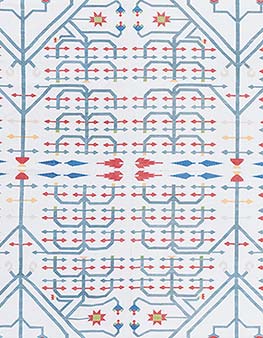
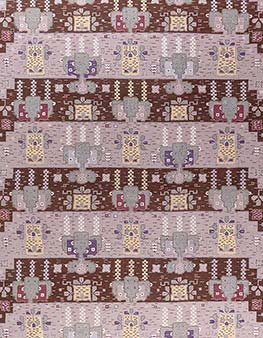
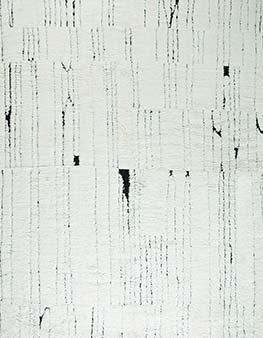
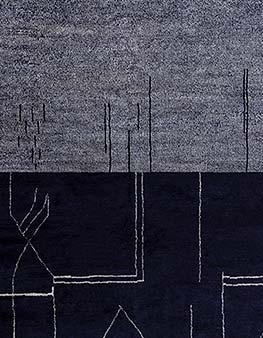
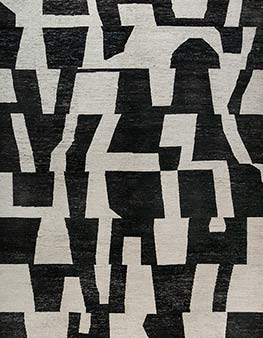
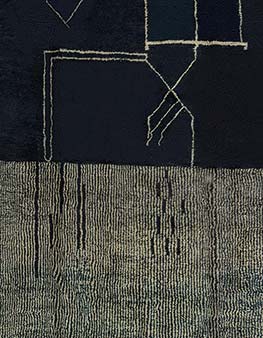
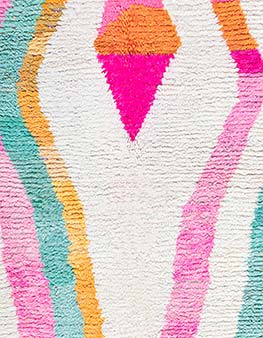
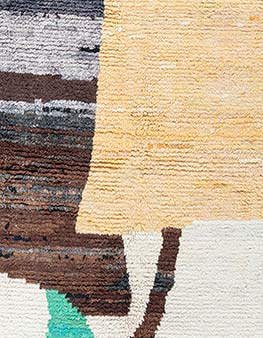
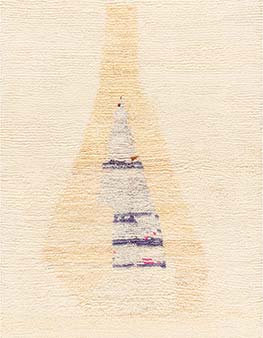
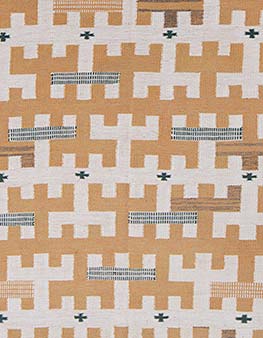
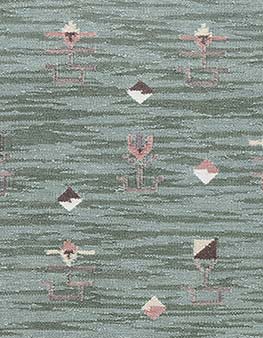
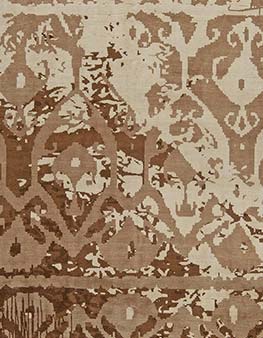
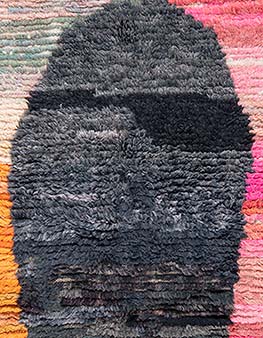
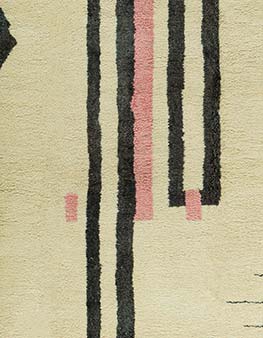
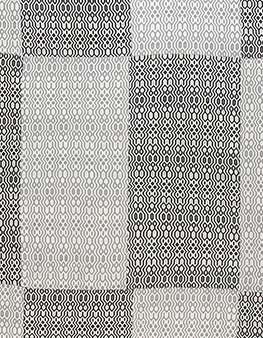
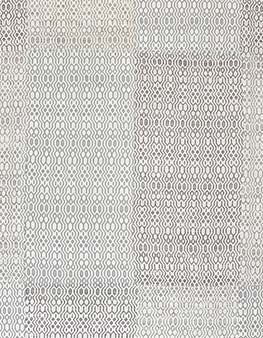
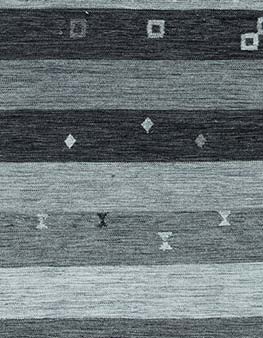
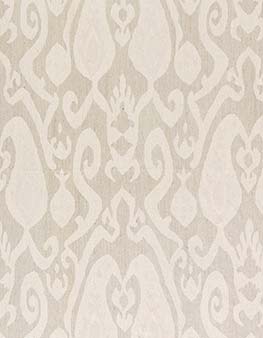
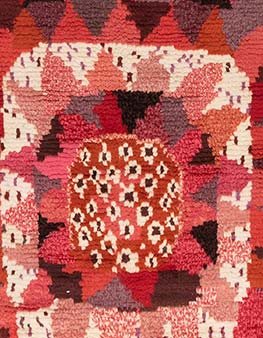
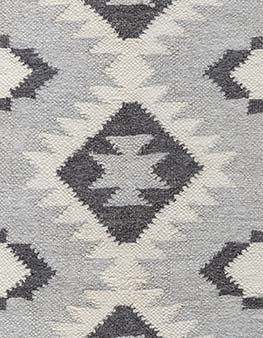
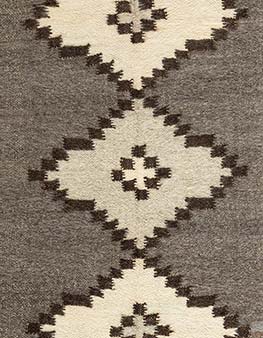
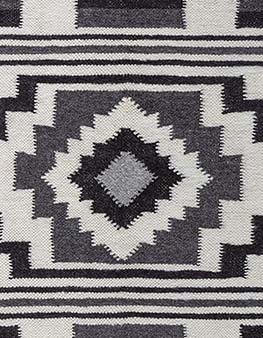
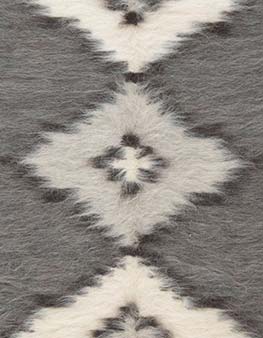
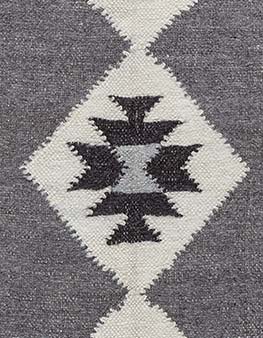
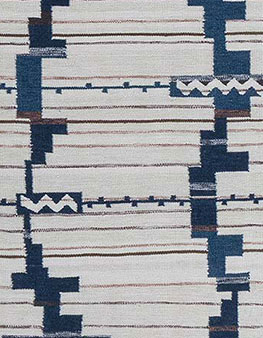
Tribal rugs bring graphic strength, handworked texture and cultural design memory into contemporary interiors. In this New Rugs category, Doris Leslie Blau presents modern tribal area rugs influenced by kilims, dhurries, Moroccan carpets, ikat medallions, diamond motifs, stepped geometry, animal markings and abstract linear patterns. The result is not a generic rustic look, but a curated group of handmade carpets designed for interiors that need structure, movement and material depth. Many pieces are woven in wool, cotton, pashmina or natural fibers, with hand-knotted and flatweave constructions that allow designers to choose between plush presence, low-profile practicality and crisp architectural pattern.
Modern Tribal Design for Luxury Interiors
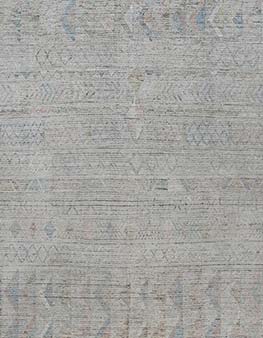
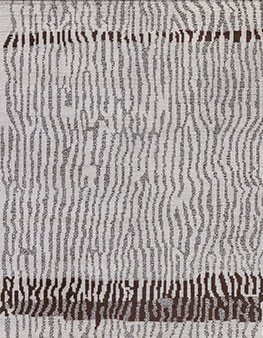
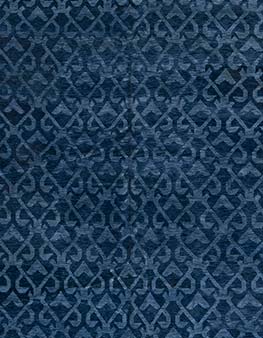
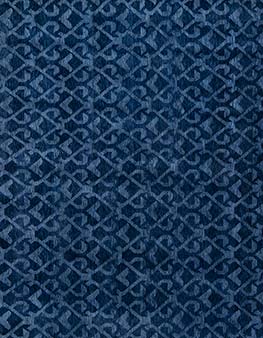
The strongest contemporary tribal rugs work because their pattern language is clear. Repeating diamonds can organize a seating area; broken stripes can lengthen a room; soft allover geometry can add interest without competing with art, stone, plaster or upholstery. Neutral palettes such as ivory, cream, taupe, charcoal and warm tan suit restrained interiors, while navy, slate, brown and higher-contrast designs create a stronger focal point. These rugs are especially useful in spaces where antique rugs may feel too formal but a plain modern rug lacks character.
Doris Leslie Blau has sourced and curated rugs for designers, collectors and private residences since 1965, and that experience informs how this selection is edited. A modern tribal rug should be judged not only by pattern, but by scale, weave, fiber, color balance and how the design reads from across the room. A large geometric carpet can anchor an open-plan living room, while a runner with tribal rhythm can bring continuity to a hallway, library or gallery-like passage.
How to Choose a Contemporary Tribal Rug
Before selecting a tribal carpet, consider whether the room needs contrast, softness or architectural order. A flatweave dhurrie or kilim-inspired rug may be ideal beneath a dining table or in a casual family space, while a hand-knotted wool rug offers a more substantial surface for a living room or bedroom. Oversized tribal rugs can make large rooms feel intentional, but smaller pieces can be equally effective when used beside a bed, beneath a reading chair or layered over a natural-fiber floor covering.
- Review the listed dimensions against furniture placement and walking paths.
- Choose flatweave construction for a thinner profile and crisp pattern definition.
- Use hand-knotted wool for richer texture and a more substantial feel.
- Match bold geometry with simpler upholstery, or use quiet motifs for layered rooms.
- Consider runners for hallways, stair landings and long transitional spaces.
Materials, Craft and Made-to-Order Possibilities
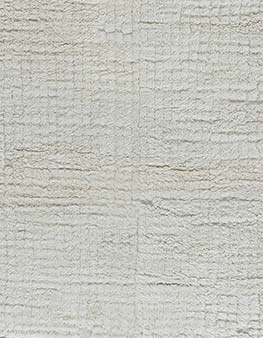
Material affects both the look and performance of a tribal rug. Wool is valued for resilience, texture and color absorption; cotton can create a lighter, cleaner flatweave surface; pashmina and wool-silk blends may lend finer detail and a more refined hand. Construction matters as well. Flatweave tribal rugs tend to emphasize line, repetition and portability, while hand-knotted carpets give motifs more depth and dimension. Buyers comparing luxury rugs should evaluate edge finish, field proportion, pile height, color variation and whether the rug’s geometry aligns comfortably with the room’s furniture plan.
Because this category sits within new rugs, selected designs may also support made-to-order thinking when a room requires a precise size, adjusted palette or alternate proportion. That flexibility is especially valuable for oversized living rooms, long runners, square rooms and projects where designers need a tribal pattern that coordinates with custom millwork, upholstery or artwork. The collection gives luxury homeowners and trade clients a focused way to shop modern tribal rugs with the visual character of historic weaving traditions and the scale, finish and palette required for today’s interiors.