



Square Rugs for Luxury Interiors
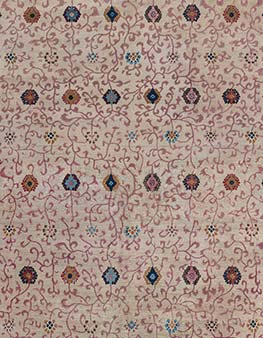
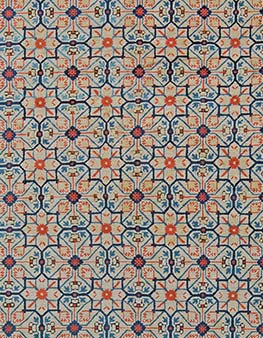
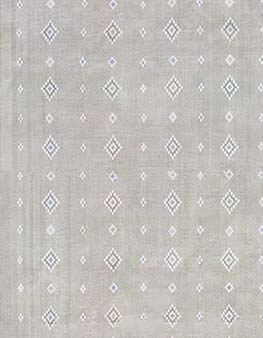
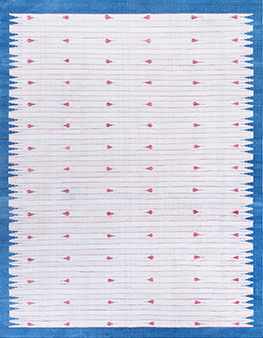
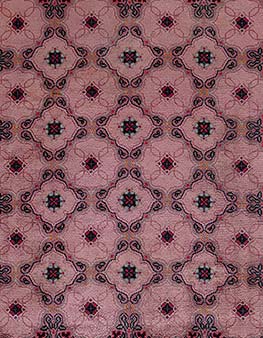
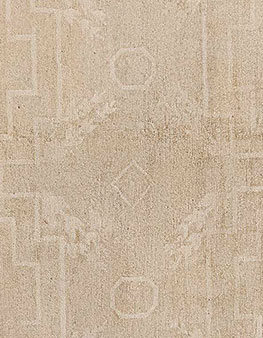
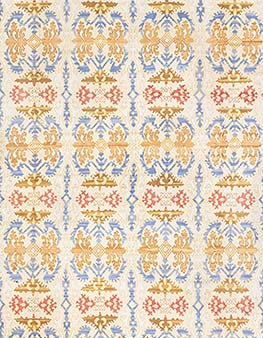
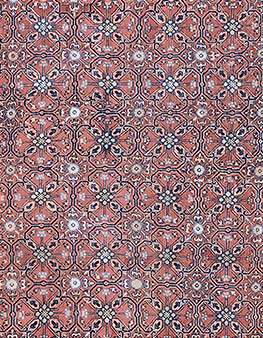
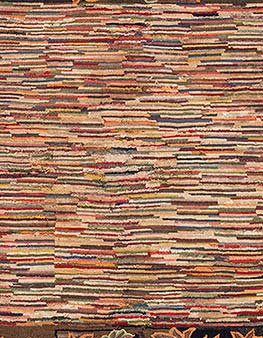
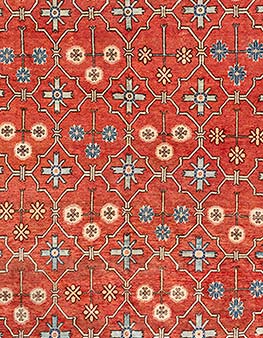
Square rugs answer a design problem that rectangular carpets often cannot: they create symmetry without overextending the room. In a square foyer, library, dining area, bedroom seating zone, or open-plan interior, the right square carpet can organize furniture with quiet precision. Doris Leslie Blau’s collection includes vintage square rugs, antique carpets, modern handmade rugs, flatweaves, dhurries, Scandinavian designs, Chinese Art Deco pieces, Samarkand rugs, Arts and Crafts carpets, and custom made options for interiors that require an exact proportion.
Why Square Rugs Work in High-End Rooms
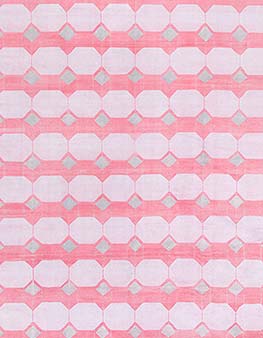
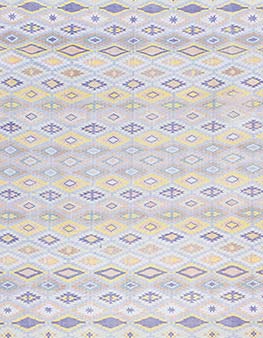
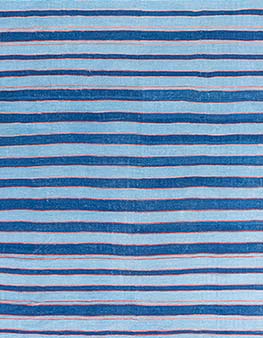
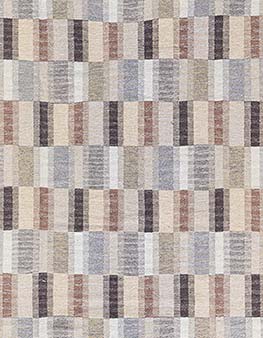
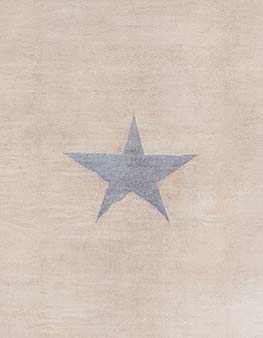
A square rug is especially effective when architecture, furniture layout, or circulation calls for balance from all sides. Designers often choose square area rugs under round dining tables, beneath central seating groups, in square bedrooms, or in gallery-like entry spaces where the rug must feel intentional rather than adapted. The format also allows bold geometry, medallions, stripes, floral fields, and abstract compositions to read clearly because the design is not visually stretched in one direction.
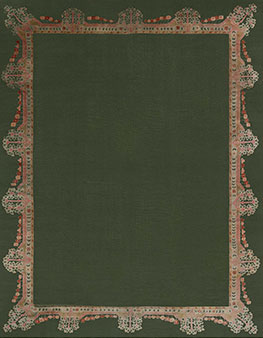
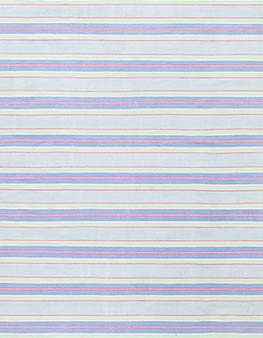
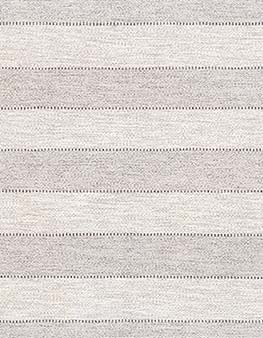
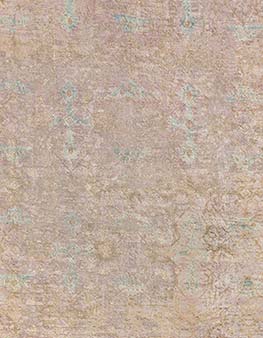
The selection spans hand-knotted wool rugs, cotton dhurries, flatweave carpets, silk or wool-and-silk pieces, and decorative rugs with refined surface character. Vintage examples may show the softened color, patina, and individuality that many contemporary interiors need, while newer handmade square rugs can offer cleaner palettes and more consistent sizing. Antique rugs are typically 100+ years old, and when present in a square format they should be evaluated for age, origin, condition, weave quality, and decorative relevance rather than shape alone.
How to Choose the Right Square Rug
Because square rugs are proportionally exact, measurement is critical. A rug that is only a few inches too narrow can make a dining table or seating arrangement feel compressed, while an oversized square rug can define an entire room with impressive clarity. Doris Leslie Blau lists dimensions and pricing so buyers can compare scale before requesting further details, and the gallery’s long experience sourcing from estates, auctions, dealers, and private collections since 1965 supports a more informed buying process.
- Measure the usable floor area, not only the wall-to-wall room size.
- Allow chairs or lounge furniture to remain comfortably on the rug.
- Consider whether a medallion, allover, floral, geometric, or abstract pattern best suits the layout.
- Compare wool, cotton, silk, flatweave, and hand-knotted constructions for texture and use.
- Review condition, age, origin, and palette when selecting antique or vintage pieces.
- Ask about made-to-order rugs when the room requires a precise square size.
Vintage, Antique, Modern, and Custom Square Rugs
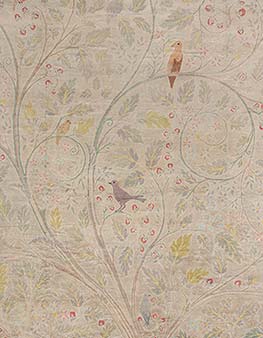
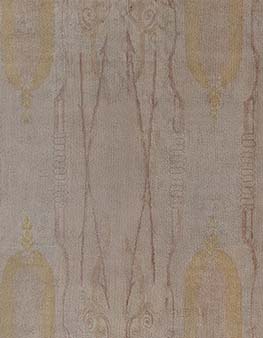
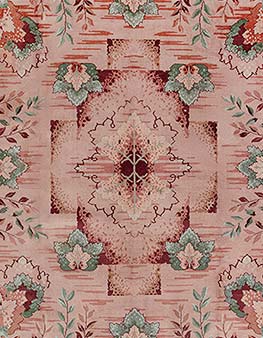
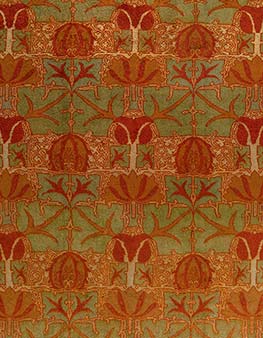
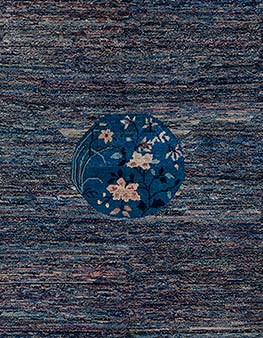
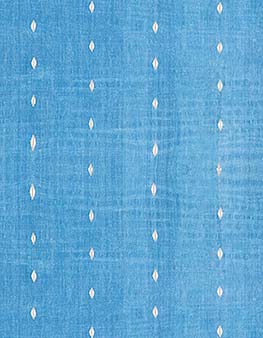
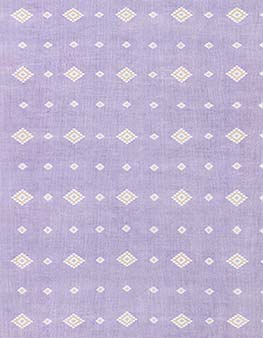
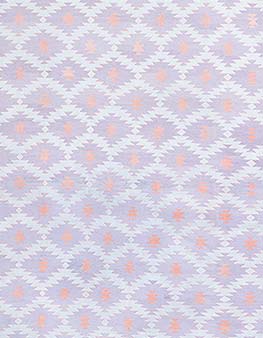
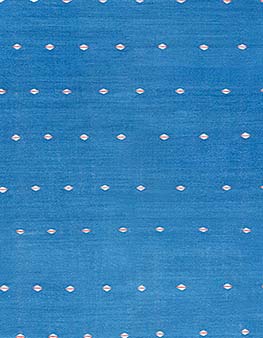
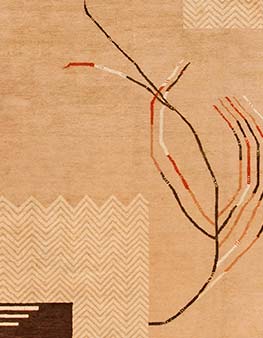
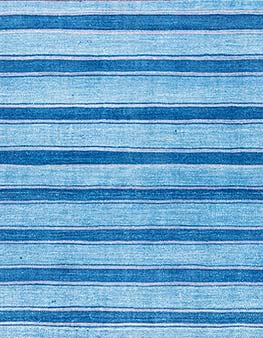
This category is useful for designers and homeowners who want more than a simple square floor covering. A vintage Indian dhurrie can bring crisp geometry and a relaxed flatweave surface to a contemporary room. A Scandinavian wool flatweave may suit modernist architecture, while Chinese Art Deco, Samarkand, Spanish, Irish Arts and Crafts, or Art Nouveau square rugs can introduce more historic or collectible design language. For luxury interiors, the value is often in the relationship between proportion, craftsmanship, color, and the surrounding furniture.
When the ideal antique or vintage square rug is unavailable in the necessary size, Doris Leslie Blau can also support custom made rugs inspired by refined traditional, modern, and transitional design directions. Custom sizing is particularly relevant for square rooms, bespoke dining areas, and interiors where a rectangular substitute would compromise the plan. Whether the priority is a rare decorative rug, a large square carpet, a soft neutral palette, or a strong geometric statement, the best choice should feel architecturally resolved and visually durable over time.