




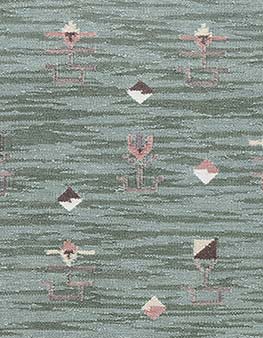
Small Rugs for Luxury Interiors
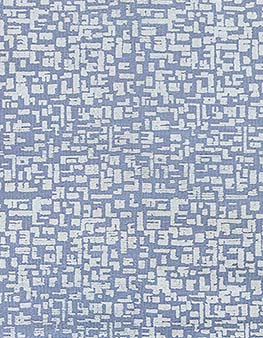
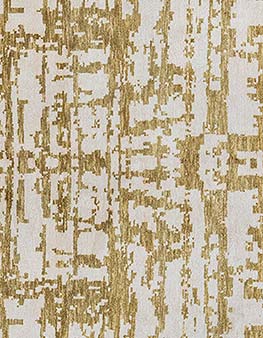
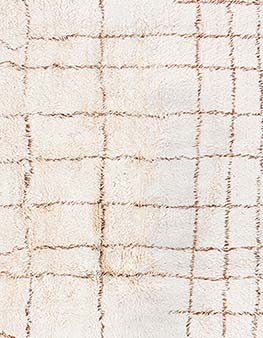
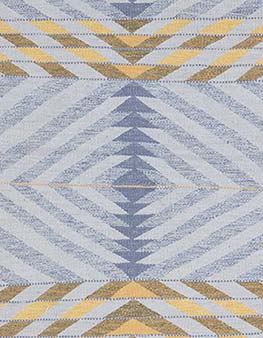
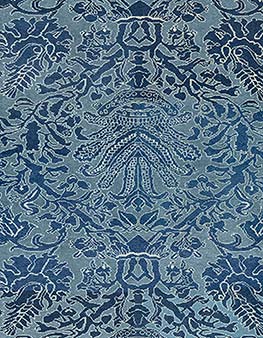
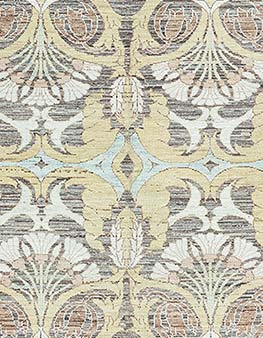
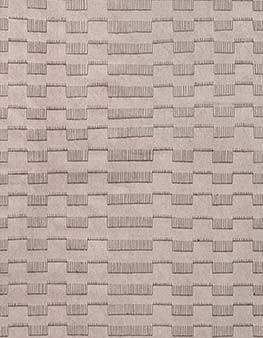
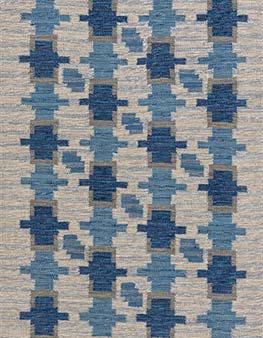
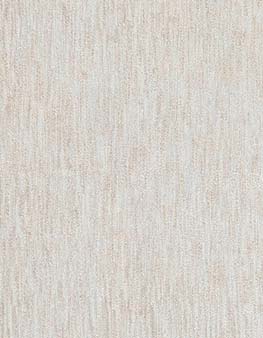
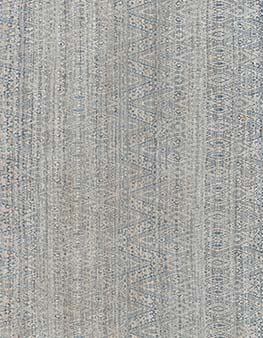
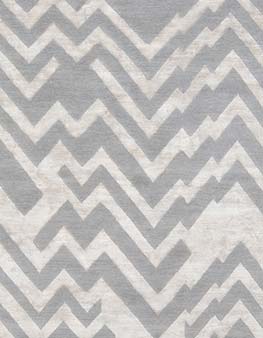
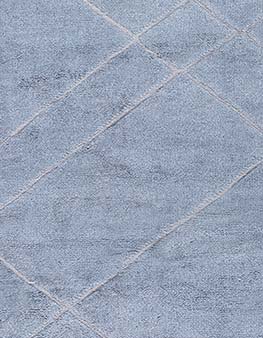
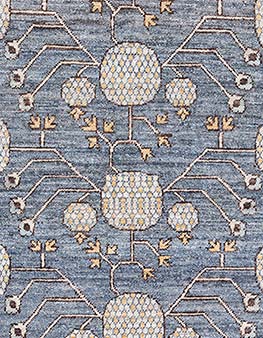
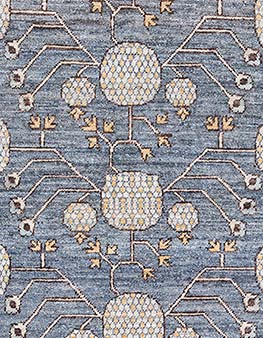
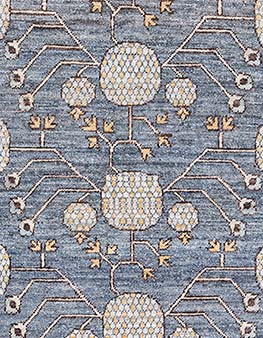
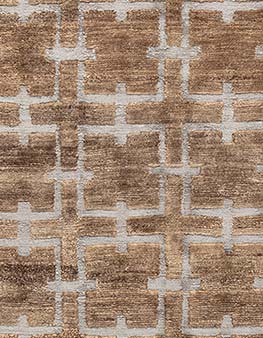
Small rugs can solve highly specific design problems: defining an entry, softening the side of a bed, grounding a reading chair, adding pattern to a dressing room, or introducing a refined textile accent where a room-size carpet would overwhelm the architecture. At Doris Leslie Blau, this category brings together small handmade rugs in modern, traditional, transitional, and historically inspired designs, selected for scale, material quality, palette, and decorative strength. The collection includes wool rugs, silk rugs, wool-and-silk weaves, flatweaves, geometric carpets, floral designs, abstract compositions, and small area rugs suited to high-end residential and designer-led interiors.
Choosing the Right Small Rug
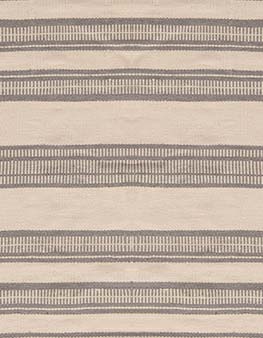
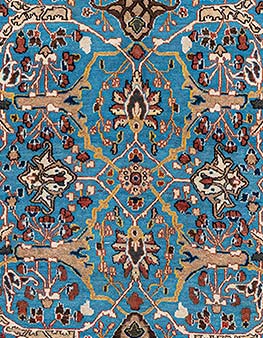
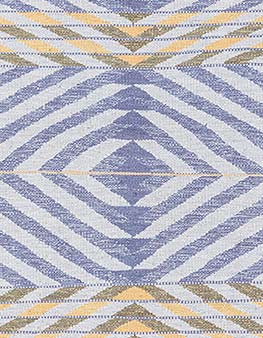
A small rug should feel intentional, not leftover. The best choice depends on the dimensions of the room, the placement of furniture, the direction of foot traffic, and the visual role the rug needs to play. A compact hand-knotted carpet with a fine floral field may suit a formal foyer or library, while a restrained geometric flatweave can add structure to a contemporary hallway, office, or bedroom vignette. Buyers can compare listed dimensions, materials, construction, palette, and pattern before selecting a rug that works with existing stone, wood, upholstery, wall color, and architectural details.
- Use small area rugs to define foyers, bedside zones, studies, and intimate seating groups.
- Choose wool for resilience, silk for luster, and wool-and-silk for texture contrast.
- Consider flatweaves where a lower profile is useful under doors or furniture.
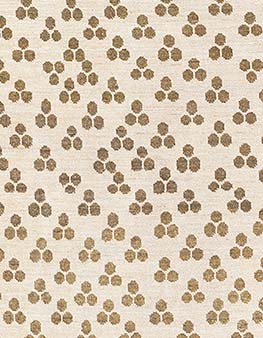
- Select geometric, abstract, floral, or tribal patterns according to the room’s rhythm.
- Review exact dimensions carefully, especially for layered rooms and narrow spaces.
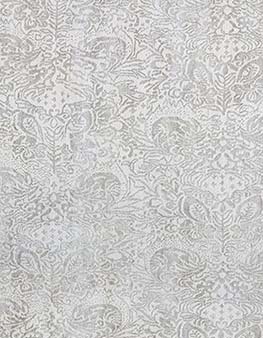
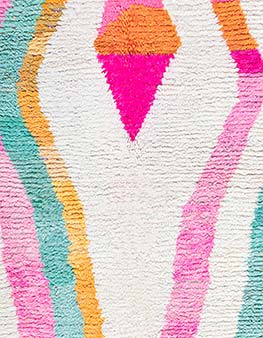
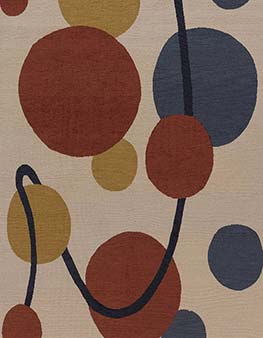
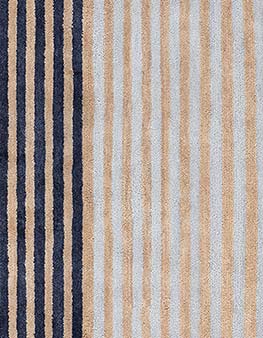
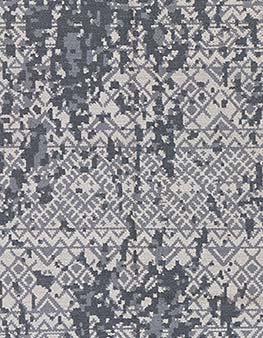
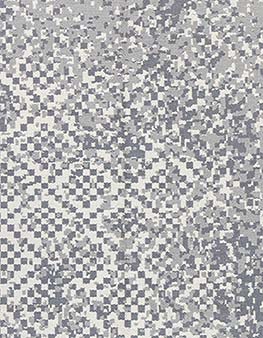
Small rugs also give interior designers a precise way to introduce color or craftsmanship without changing the entire room scheme. A soft ivory, taupe, gray, or light blue rug can quiet a busy space; a bolder abstract or Art Deco-inspired piece can create a focal point in a restrained interior. Many new designs draw on antique Persian rugs, Oushak carpets, Aubusson motifs, Samarkand textiles, Moroccan patterns, Scandinavian restraint, and other established rug traditions, but they are interpreted for contemporary rooms and current decorative needs.
Materials, Weave, and Design Character
The quality of a small rug is often easier to notice because the piece is viewed at close range. Fiber, finish, knotting, edge detail, pattern clarity, and surface texture all matter. Hand-knotted rugs offer depth and durability, while flatweave rugs provide crisp pattern and a lighter architectural profile. Wool remains a practical and beautiful choice for many rooms; silk and wool-and-silk rugs add sheen, detail, and a more formal presence. For collectors and designers, these construction details help distinguish a decorative accent from a rug with lasting design value.
Doris Leslie Blau Selection and Custom Possibilities
Doris Leslie Blau has sourced and curated exceptional rugs since 1965, serving collectors, architects, interior designers, and homeowners who need pieces with both decorative impact and serious craftsmanship. The small rug selection is useful for finished interiors, but it is also a strong starting point for custom work. When a project requires a particular proportion, color, weave, or pattern scale, a custom made rug or made-to-order adaptation may be the right solution. This allows designers to keep the character of a luxury handmade rug while refining it for a specific room, niche, furniture plan, or architectural condition.