

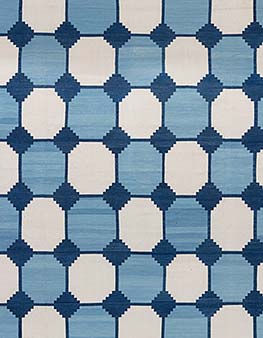
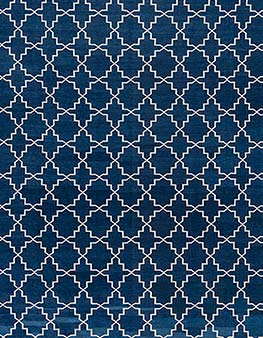
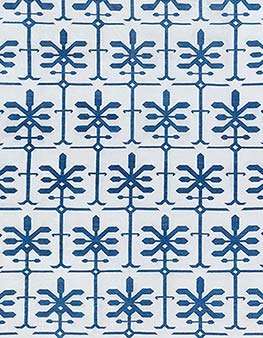
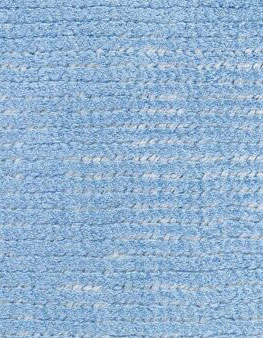

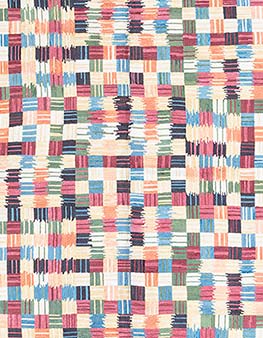
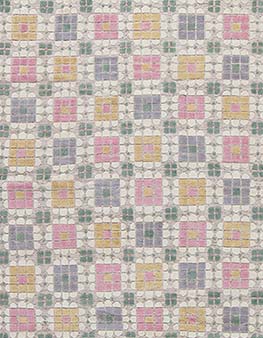
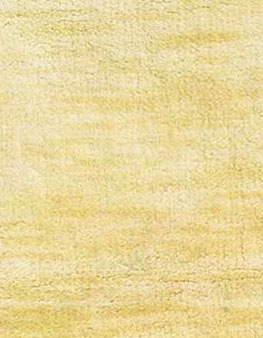
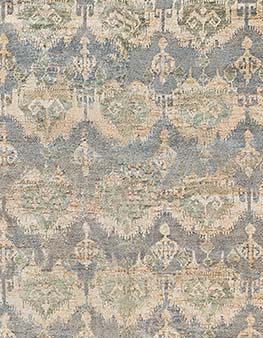
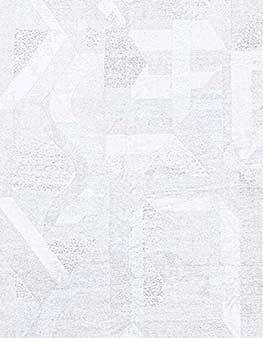
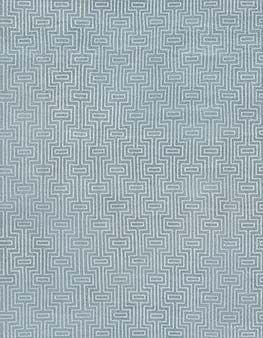
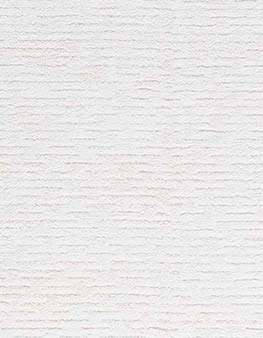
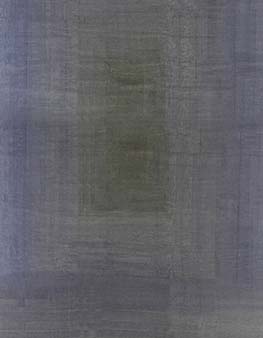
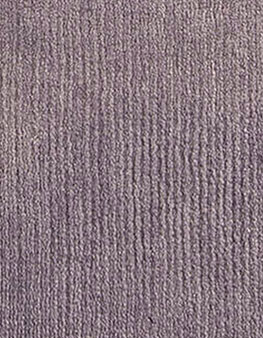
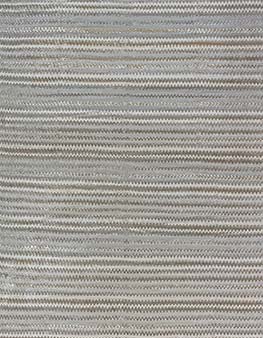
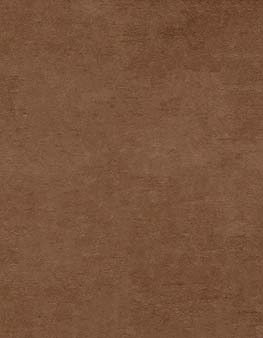
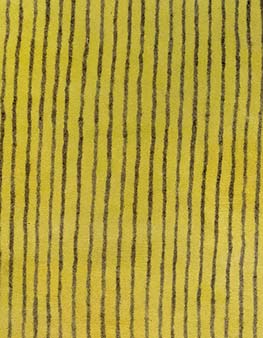
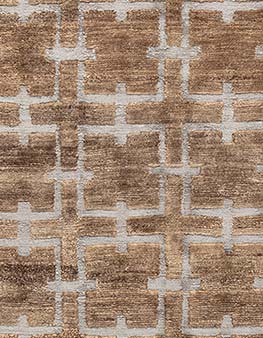
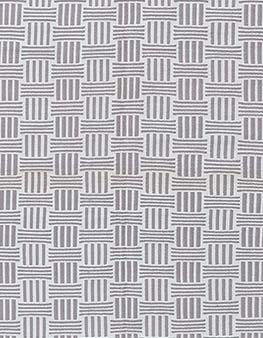
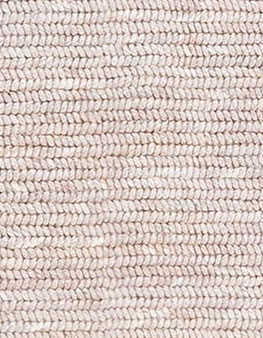
Natural Fiber Rugs
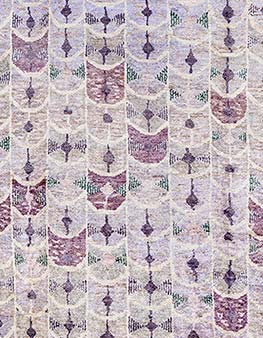
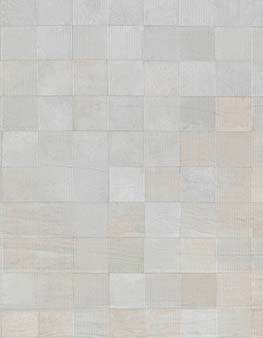
Natural fiber rugs bring material character, texture and architectural calm to interiors that need more than a decorative surface. This Doris Leslie Blau collection focuses on handmade rugs woven from cotton, hemp, linen, bamboo silk, mohair, wool, leather and other tactile fibers selected for their visual depth and design performance. Many pieces are contemporary or modern in spirit, yet the category also speaks to the same priorities that guide antique and vintage rug buying: origin, weave, material integrity, scale, condition, palette and how the rug will live within a finished room.
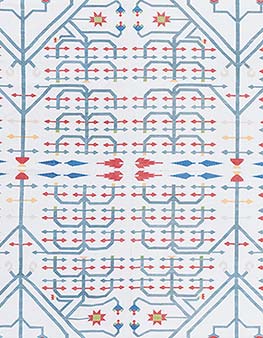
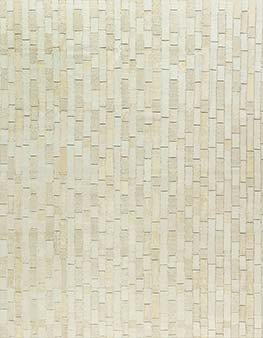
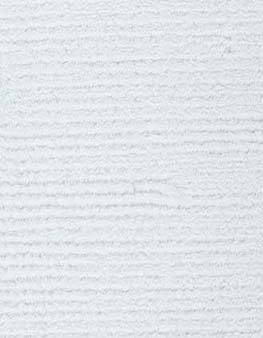
For designers, collectors and luxury homeowners, natural fiber rugs are especially valuable when a space calls for subtle movement rather than heavy ornament. A pale cotton dhurrie can sharpen a coastal or minimalist room; a hand-knotted hemp rug may add structure to a library or loft; bamboo silk can create a quiet sheen under formal seating; mohair and angora wool introduce softness in oversized formats. Since 1965, Doris Leslie Blau has sourced rugs through estates, auctions, dealers and private collections, and that curatorial eye also informs the selection of new handmade and made-to-order pieces.
Materials, Weaves and Surface Character
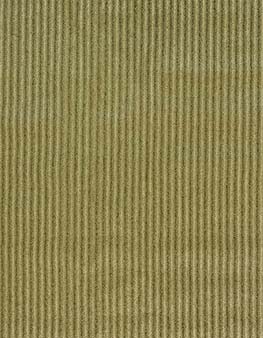
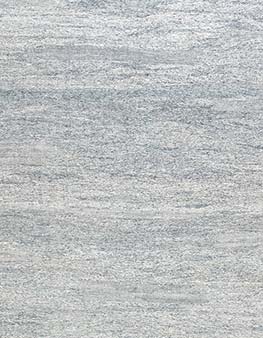
The distinction between natural fiber rugs is not only the fiber named on the label. Construction changes the way a rug feels, reflects light and performs in a room. Hand-knotted rugs usually offer greater density, contour and long-term decorative value, while flatweave rugs and dhurries provide a lower profile that works well beneath dining tables, in layered interiors and in rooms where doors or furniture clearance matter. Cotton and linen often read crisp and relaxed; hemp brings an organic, slightly rustic refinement; bamboo silk and banana silk can create luminous highlights; mohair and wool add warmth, pile and softness.
How to Choose a Natural Fiber Rug
Use this category to compare more than color. The best choice depends on the room’s architecture, furniture plan, traffic pattern and desired level of texture. A rug for a formal living room may require a larger hand-knotted carpet with a restrained palette; a bedroom may benefit from a softer pile; an entry, gallery or long corridor may call for a runner or flatweave with strong geometry. Review each rug’s dimensions, materials and construction carefully, especially when selecting oversized rugs for open-plan interiors.
- Choose cotton or linen for a lighter, tailored look.
- Consider hemp for organic texture and understated structure.
- Use bamboo silk or banana silk where subtle sheen is desired.
- Select mohair or wool blends for softness and visual warmth.
- Check scale, weave and pile height against furniture placement.
Modern Luxury Rugs with Custom Possibilities
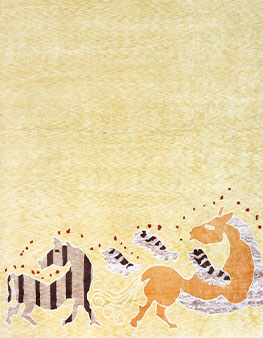
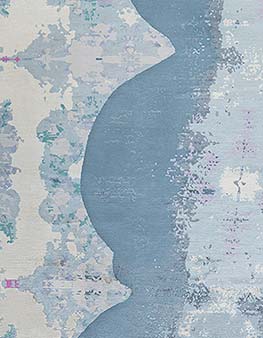
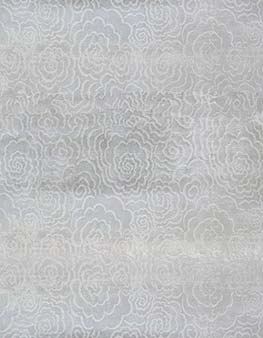
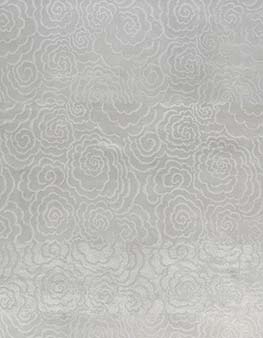
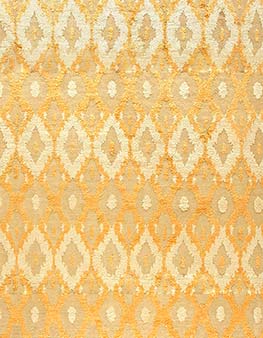
Natural fibers are particularly effective in modern luxury interiors because they can support both restraint and statement design. Geometric, striped, solid, floral and abstract patterns allow these rugs to pair with antiques, vintage furniture, contemporary art and custom upholstery without competing with them. The collection includes room-size and oversized rugs suited to living rooms, dining rooms, bedrooms, libraries, galleries and hospitality spaces, as well as smaller formats for layered or transitional areas.
When an available rug is close but not exact, custom made and made-to-order rugs may offer a more precise solution. A project can require a specific width, extended length, softened neutral, stronger contrast or alternate fiber blend. Doris Leslie Blau’s natural fiber rug selection gives buyers the ability to evaluate existing pieces with visible details while also considering bespoke possibilities for interiors where scale, craftsmanship and material expression need to be carefully controlled.