




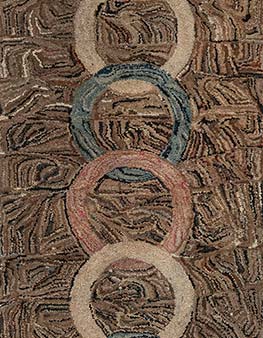
Vintage Runner Rugs for Hallways, Staircases, and Refined Interiors
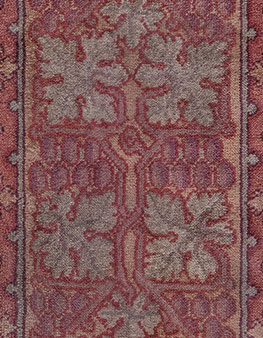
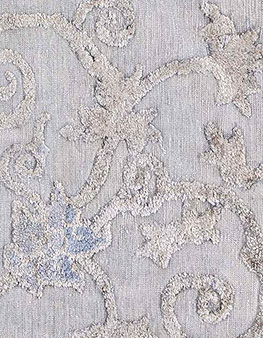
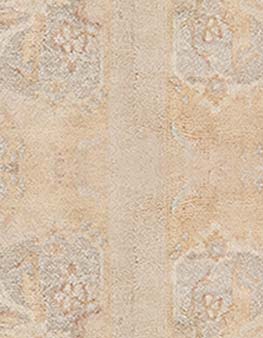
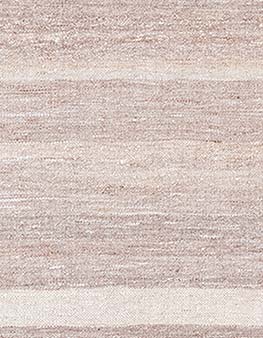
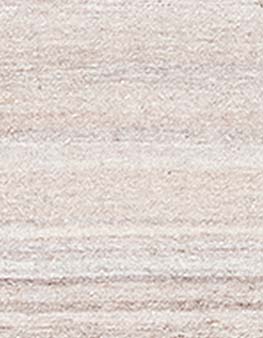
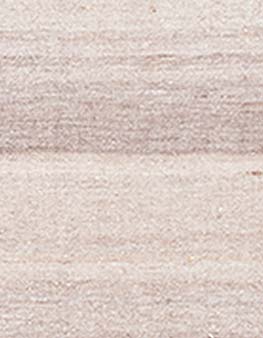
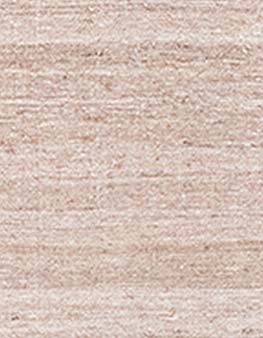
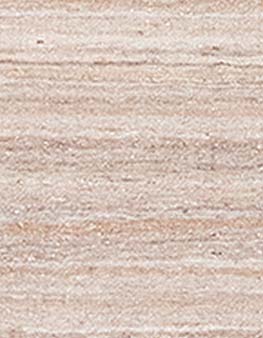
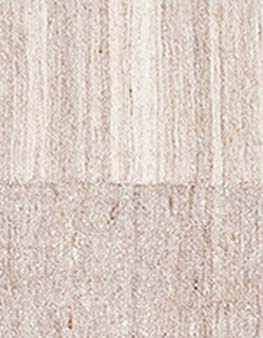
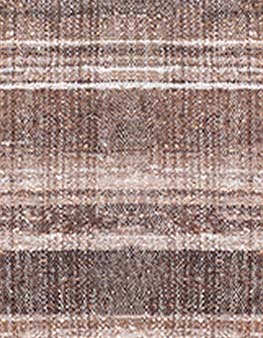
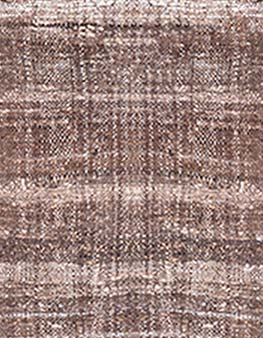
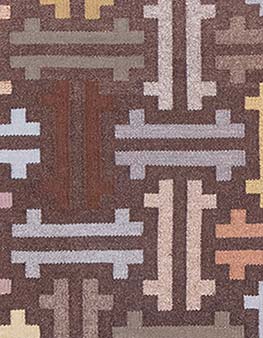
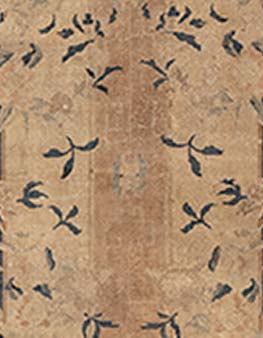
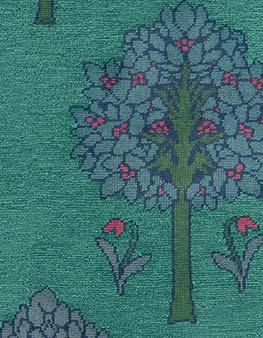
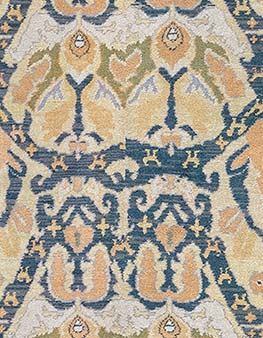
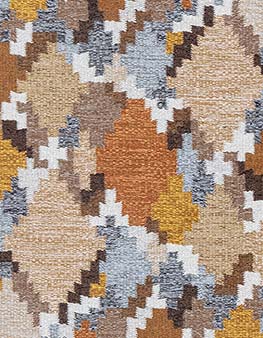
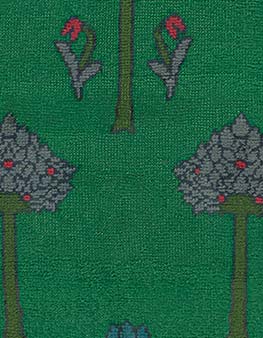
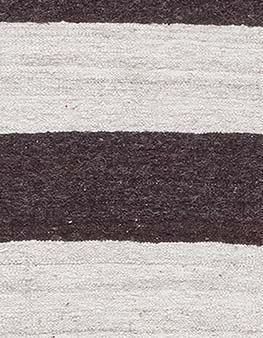
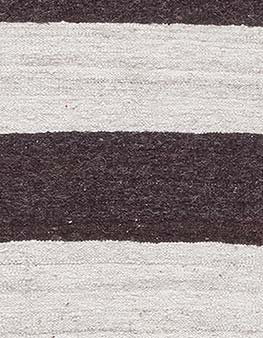
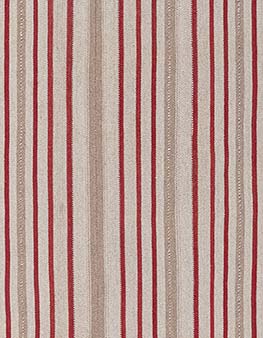
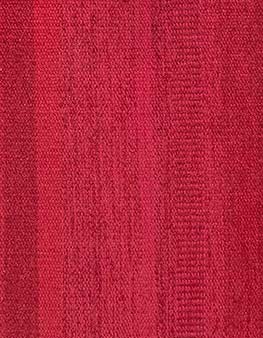
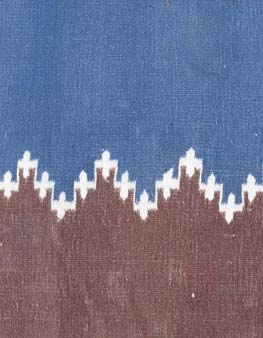
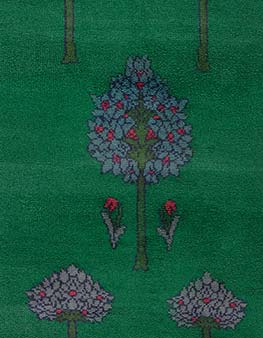
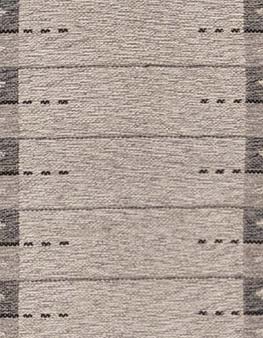
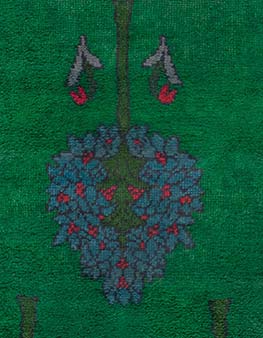
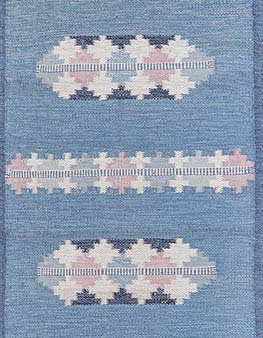
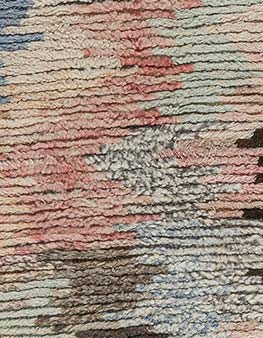
Vintage runner rugs bring scale, movement, and architectural clarity to spaces that standard area rugs rarely fit well: long corridors, galleries, entry halls, stair landings, dressing rooms, kitchens, libraries, and transitional rooms. At Doris Leslie Blau, the runners category includes vintage Persian wool runners, Swedish and Scandinavian flatweaves, Moroccan pieces, Indian Dhurries, Chinese floral silk fragments, Art Deco runners, Arts & Crafts designs, kilims, and handmade runners with both quiet neutral palettes and more graphic patterning.
A well-chosen runner does more than cover a narrow floor. It guides the eye through a home, softens acoustics, protects heavily used passages, and introduces color or texture in places that often feel unfinished. Interior designers often use runners to connect rooms with different area rugs, repeat a palette from adjoining spaces, or add a handwoven element to stone, wood, or painted floors. Because scale is so exacting, width, length, border proportion, and pattern direction matter as much as color.
What Defines a Luxury Vintage Runner Rug
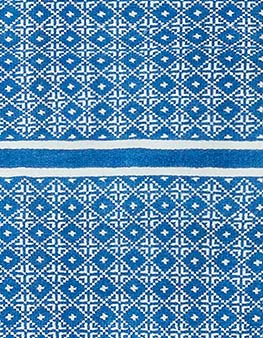
Many of the strongest vintage runners are valued for the same qualities buyers seek in antique carpets: hand craftsmanship, durable materials, balanced design, and surface character developed over time. Antique rugs are typically 100+ years old, while vintage runners may be younger but still carry historic design value and desirable patina. In this collection, shoppers may compare hand-knotted wool rugs, flatweave wool and cotton Dhurries, silk fragments, signed Scandinavian pieces, Persian striped designs, floral Chinese runners, and geometric modernist examples.
How to Evaluate a Runner Before Buying
Runner shopping is especially technical because even a beautiful rug must work precisely with the architecture. A piece that is too narrow can feel incidental, while one that is too wide may crowd doorways or obscure floor margins. For luxury interiors, evaluate the rug in relation to furniture sightlines, baseboards, stair width, natural light, and the rug already used in adjacent rooms.
- Measure the usable floor path, not just the full hallway dimensions.
- Leave consistent exposed flooring on both sides whenever possible.
- Review material and weave for traffic level and maintenance needs.
- Match pattern scale to the corridor length and viewing distance.
- Consider antique, vintage, or custom made options when dimensions are unusual.
Condition is equally important. A vintage runner may show abrash, softened pile, minor restoration, or age-related variation; these details can add decorative depth when they are stable and appropriate to the setting. Product listings help buyers review size, origin, material, construction, color, and visible pricing before making comparisons. For collectors, provenance and rarity may be central. For designers, the key question may be whether the runner supports the room’s palette and performs well in daily use.
Doris Leslie Blau Runners for Design Projects
Doris Leslie Blau has served interior designers, architects, collectors, and luxury homeowners since 1965, with a selection that ranges from rare antique carpets to modern and custom made rugs. The runners category is particularly useful for projects requiring long, narrow proportions, whether the goal is a Persian runner with subtle stripes, a Swedish flatweave for a modern interior, a Moroccan runner with abstract texture, or a refined decorative rug for an entry sequence.
When an existing vintage or antique runner is not the right scale, made-to-order possibilities may be relevant for achieving a specific width, length, palette, or construction. That flexibility is especially valuable for staircases, unusually long halls, boutique hospitality spaces, and residences where multiple rugs must coordinate without looking matched. The result is a more considered approach to luxury runner rugs: one that respects age and craftsmanship while meeting the practical demands of contemporary interiors.