





Large Vintage Rugs for Luxury Interiors
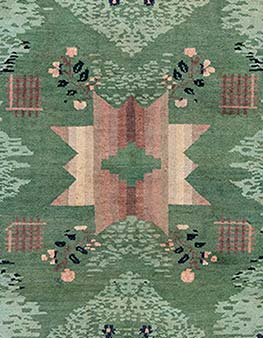
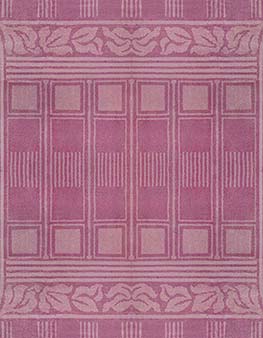
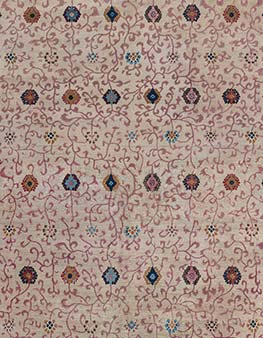
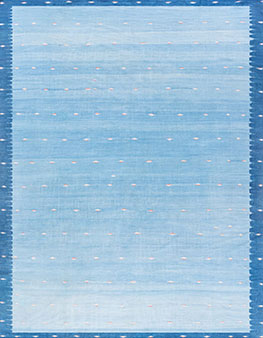
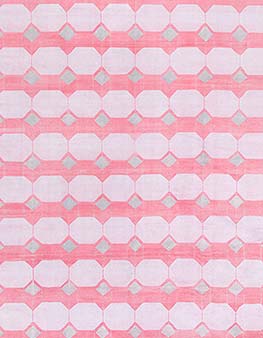
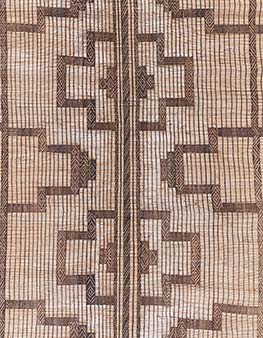
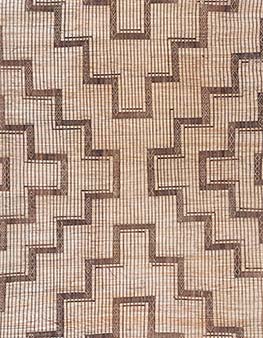
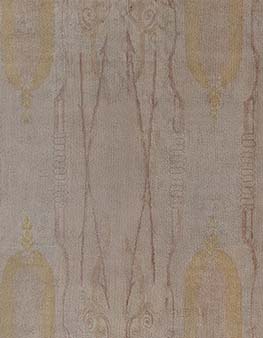
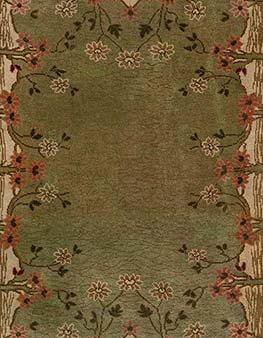
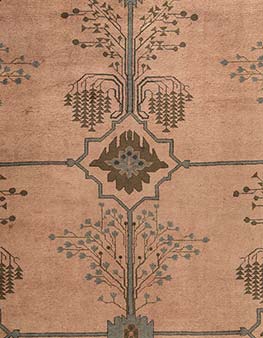
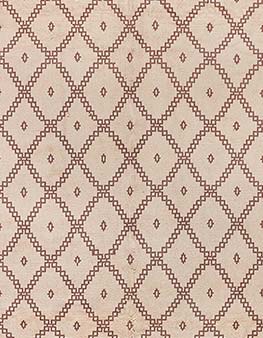
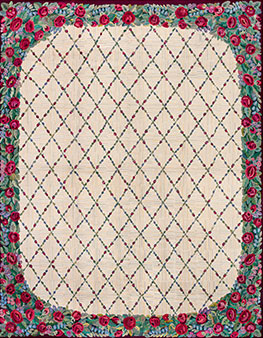
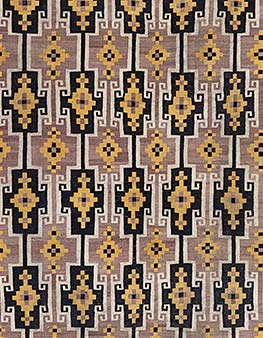
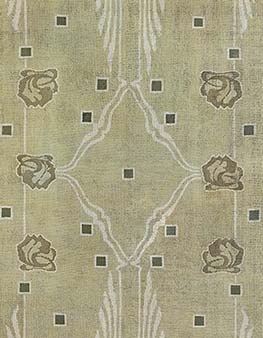
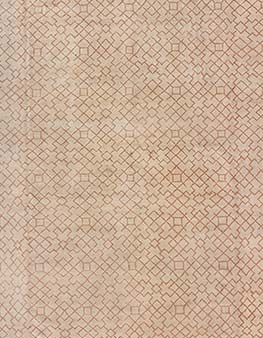
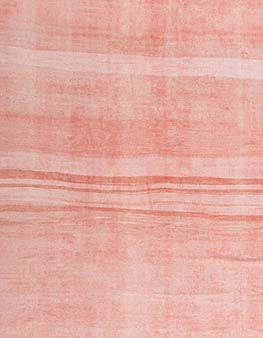
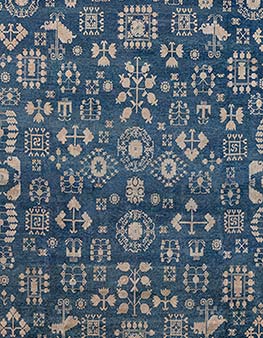
Large vintage rugs bring proportion, character, and architectural presence to rooms where a standard area rug can feel under-scaled. This Doris Leslie Blau selection focuses on vintage carpets with the size and visual strength required for living rooms, dining rooms, libraries, bedrooms, galleries, and open-plan interiors. The category includes flatweave Indian Dhurries, hand-knotted Moroccan rugs, Chinese Art Deco carpets, Samarkand designs, Arts and Crafts rugs, Art Nouveau pieces, and other decorative rugs chosen for scale, texture, and design value. Since 1965, Doris Leslie Blau has sourced exceptional rugs from estates, auctions, dealers, and private collections, making large-format vintage rugs a natural fit for designers and collectors seeking distinctive floor coverings.
Choosing Scale, Pattern, and Room Placement
A large rug changes the way furniture relates to a room. In a seating area, it can unify sofas, lounge chairs, and tables into one composed arrangement; under a dining table, it should leave enough surface beyond the chairs for comfortable movement. For a bedroom, a large vintage carpet can frame the bed and nightstands while softening the surrounding architecture. Buyers should evaluate not only width and length, but also border scale, pattern repeat, central medallions, allover fields, and how much of the design will remain visible after furniture is placed.
- Measure the full furniture plan, not only the open floor.
- Consider whether a medallion, allover, or geometric design suits the room.
- Review materials such as wool, cotton, silk, reed, leather, or blended fibers.
- Compare pile height, flatweave structure, and hand-knotted construction.
- Use color temperature to connect upholstery, wood tones, stone, and art.
Vintage Craftsmanship, Materials, and Decorative Range
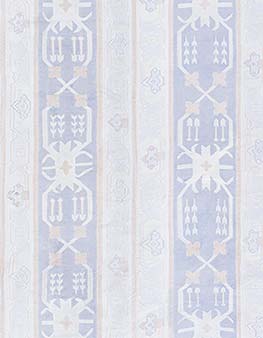
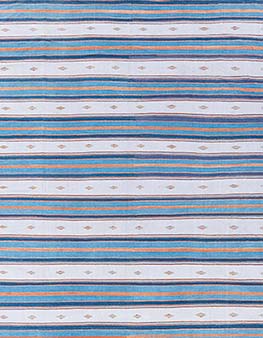
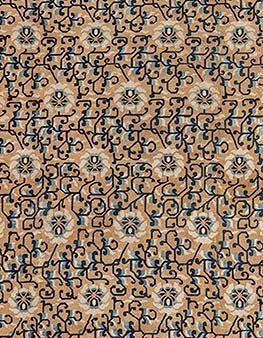
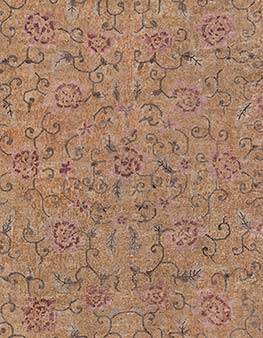
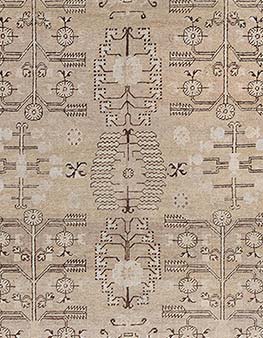
The best large vintage rugs offer more than size. They carry the evidence of handwork, regional design, and decades of use, often with softened palettes that are difficult to reproduce in new carpets. A wool Moroccan rug may contribute tactile depth and strong geometry; a cotton Dhurrie can provide a lighter, flatter surface for contemporary interiors; a Chinese Art Deco rug may introduce stylized florals, open fields, and unusual color combinations. Samarkand, Viennese, Irish Arts and Crafts, American hooked, and French modernist examples each bring a different design vocabulary to the floor.
Condition and construction matter especially in large-scale rugs because the surface is highly visible. Look at the weave, edge finishing, foundation, repair history, pile wear, color balance, and whether the rug lies well in the intended space. Vintage rugs are not necessarily antique; antique rugs are typically 100+ years old, while vintage pieces usually belong to a later period and are often selected for decorative compatibility as much as age. This distinction helps buyers compare vintage carpets, antique area rugs, and new handmade rugs with a clearer sense of purpose.
For Designers, Collectors, and Custom-Sized Projects
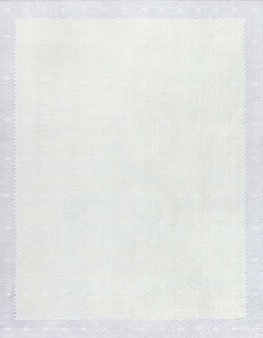
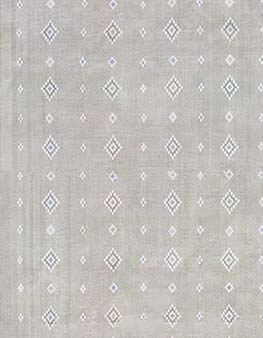
Interior designers often choose large vintage carpets because they solve several design problems at once: scale, warmth, acoustics, color, and a sense of collected individuality. A restrained beige, taupe, or soft white rug can quiet a room with strong art or furniture; a bold geometric or floral carpet can become the organizing element of a more neutral scheme. In luxury interiors, these pieces work especially well where a room needs depth without looking newly decorated.
If a vintage rug has the right spirit but not the exact dimensions, a custom made rug may be the better solution for a particular project. Doris Leslie Blau also works with new and made-to-order rugs, allowing clients to pursue specific sizes, palettes, and design references when the architecture requires precision. For buyers comparing large vintage rugs, oversized rugs, antique carpets, and bespoke options, this category is a strong starting point for finding a rug with scale, craftsmanship, and lasting decorative relevance.