


Antique Runner Rugs
Antique runner rugs solve one of the most exacting design problems in a refined interior: how to bring proportion, color, and craftsmanship into a long or narrow space without treating it as an afterthought. A well-chosen runner can define a hallway, soften a stair approach, connect adjoining rooms, or add architectural rhythm to a gallery-like passage. Doris Leslie Blau curates antique runners with the same attention given to room-size antique carpets, evaluating origin, age, weave, material, palette, condition, and decorative strength before presenting them for serious interiors.
Persian, Turkish, Indian, and European hallway rugs
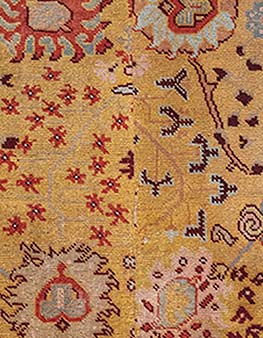
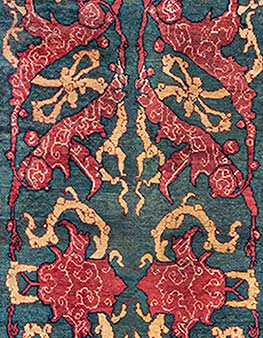
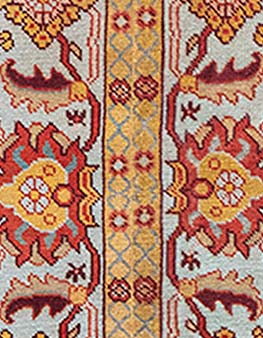
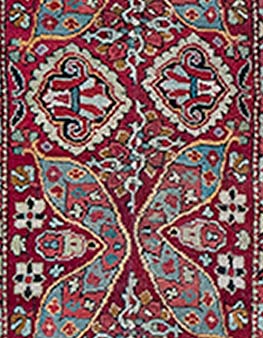
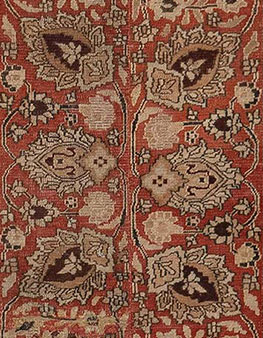
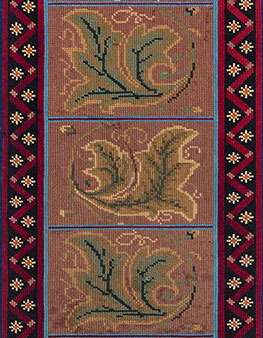
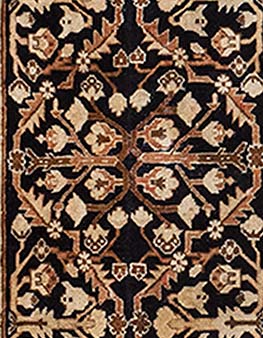
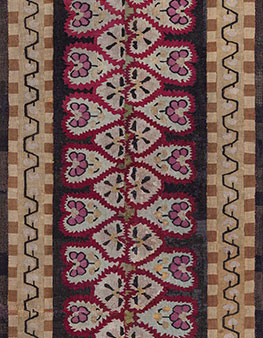
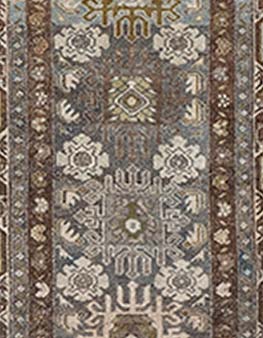
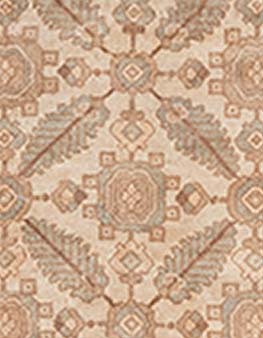
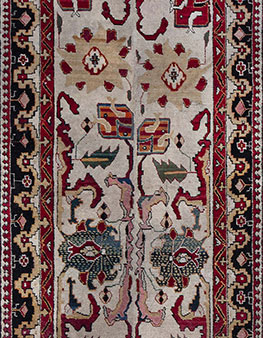
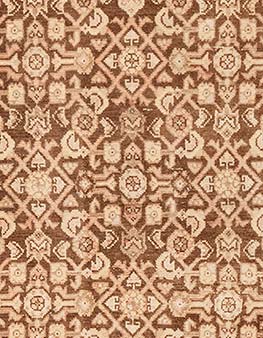
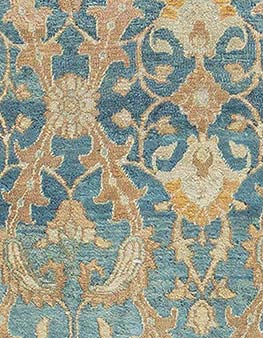
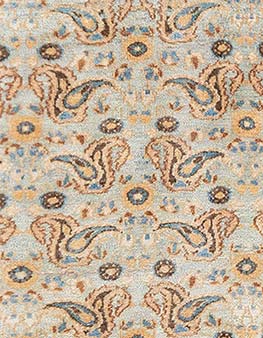
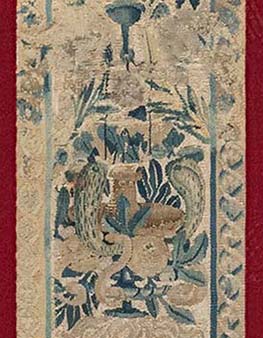
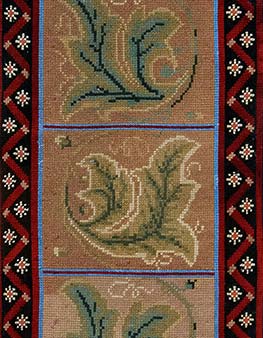
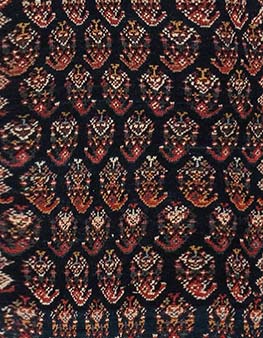
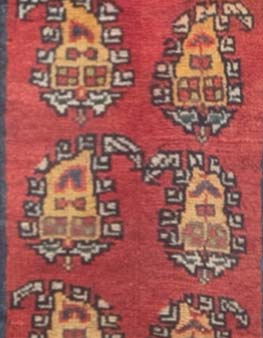
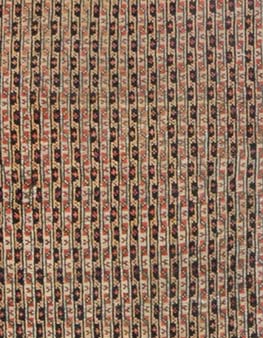
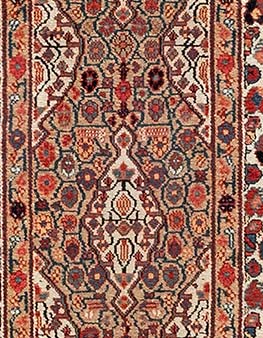
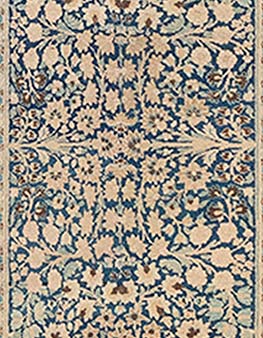
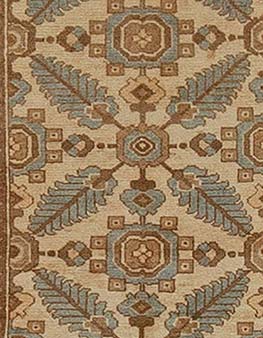
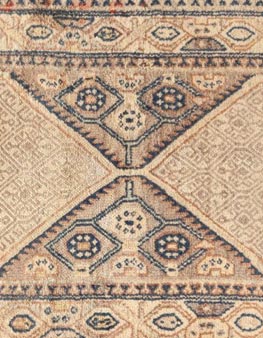
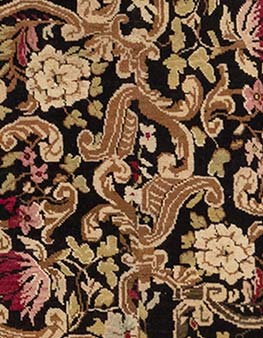
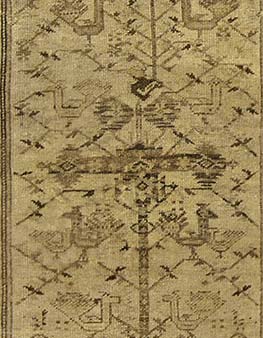
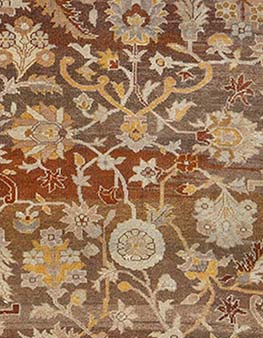
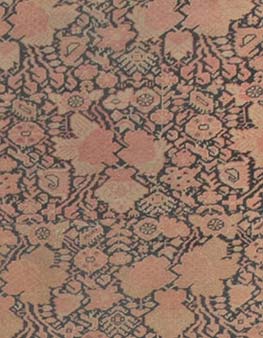
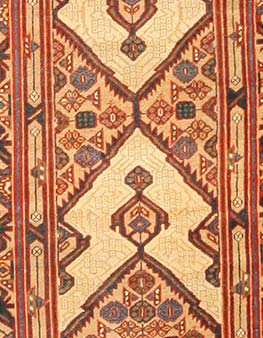
The collection includes hand-knotted antique runners from important weaving traditions such as Persian Malayer, Tabriz, Meshad, Kirman, and Sultanabad, alongside Turkish Oushak, Indian Agra and Amritsar, Caucasian, Bessarabian, Aubusson, Axminster, and English needlework examples. These antique carpets may feature allover floral designs, geometric field patterns, medallions, paisley motifs, soft abrash, or restrained tone-on-tone palettes. Some pieces are closely aligned with collector interest, while others are especially valued by interior designers for their decorative flexibility in transitional, traditional, and contemporary rooms.
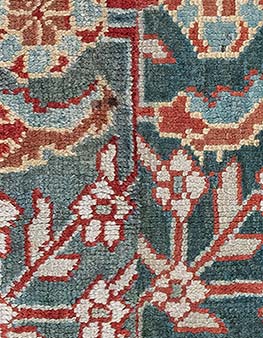
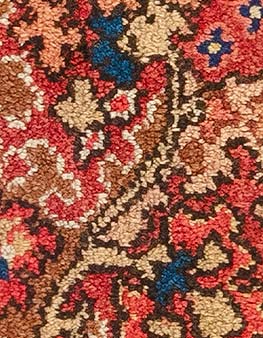
Because antique rugs are typically 100+ years old, each runner carries evidence of its own making and use. The qualities buyers often seek include hand-spun wool, aged vegetable-dye color, fine drawing, balanced borders, mellowed surfaces, and patina that cannot be replicated by a new rug. Condition also matters: a fragment, size-adjusted runner, or restored antique runner may be ideal for a difficult corridor when the scale, design, and integrity of the textile support the project.
How to choose an antique runner
Scale is the first practical decision. A hallway runner should leave visible flooring at the sides, clear door swings, and relate naturally to nearby area rugs. For stair halls and long corridors, length is often more important than pattern complexity; for entryways and landings, color and visual impact may carry more weight. Buyers comparing antique Persian runners, Oriental runners, European needlework runners, and decorative wool runners should look beyond age alone and consider how the rug will perform in the architecture of the room.
- Measure the full walkway, then decide how much exposed floor should frame the rug.
- Compare pile, weave, and material for the level of use the space receives.
- Study the border scale; narrow corridors can make heavy borders feel larger.
- Use palette strategically, from warm tan and ivory to navy, brick red, slate, and muted gold.
- Review condition notes, restoration, and any size adjustment before selecting a piece.
Decorative value, provenance, and custom alternatives
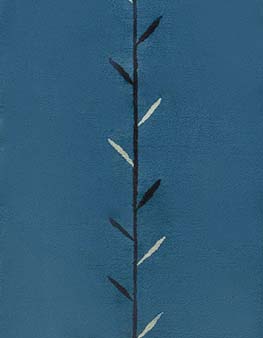
For designers and collectors, antique runners offer more than coverage. They introduce movement, drawing, and a sense of continuity between rooms, especially when paired with antique area rugs, oversized rugs, or quieter contemporary furnishings. A geometric Malayer can sharpen a modern hallway; a Turkish Oushak runner can soften limestone, oak, or plaster; an Aubusson or English needlework runner can support a more classical interior without overwhelming it. Since 1965, Doris Leslie Blau has sourced rugs through estates, auctions, dealers, and private collections, giving clients access to rare decorative rugs with meaningful design range.
When an antique runner is not available in the exact width, length, or palette a project requires, custom made runners and made-to-order rugs can provide a tailored alternative. This is especially useful for unusually long corridors, stair installations, or interiors that need a specific color story while still respecting the character of antique and vintage rugs. The best selection starts with clear measurements, intended placement, and a realistic view of traffic, then narrows by origin, design, material, and mood.