

Scandinavian Rugs
Scandinavian rugs are valued for restraint, structure, and livable craftsmanship. In this Doris Leslie Blau category, the look is rooted in Swedish and broader Nordic design: clean geometry, quiet color, flatwoven surfaces, hand-knotted wool textures, and patterns that work naturally with modern architecture. These are not generic neutral rugs. A well-chosen Scandinavian carpet can define a seating plan, soften stone or wood floors, and introduce graphic order without overwhelming furniture, art, or architectural detail.
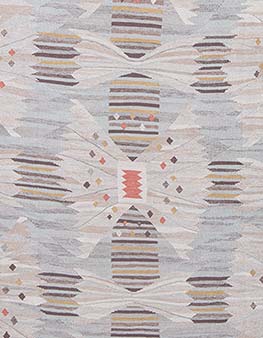
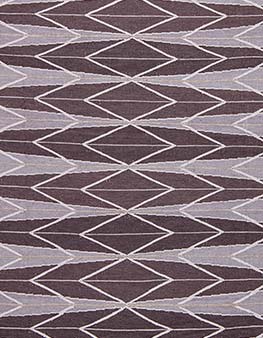
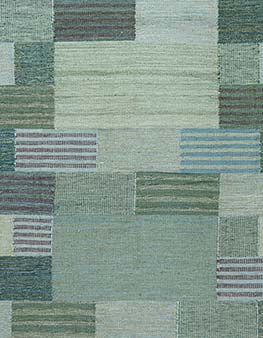
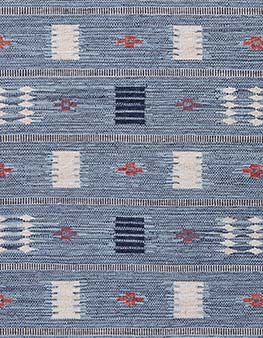
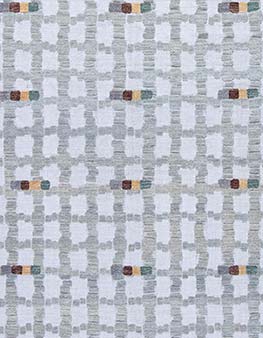
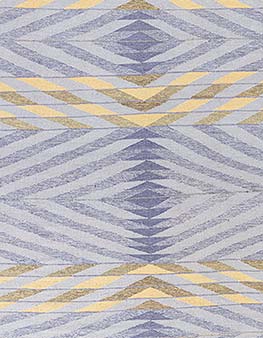
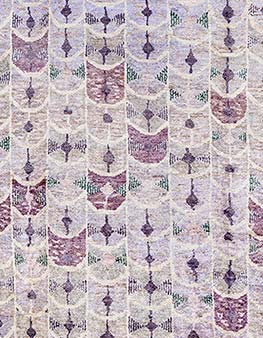
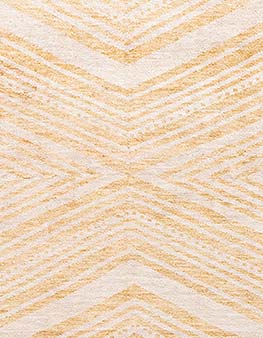
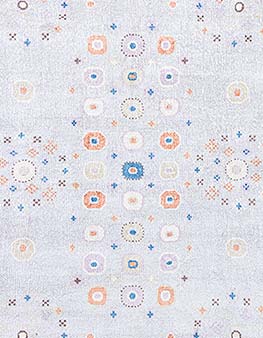
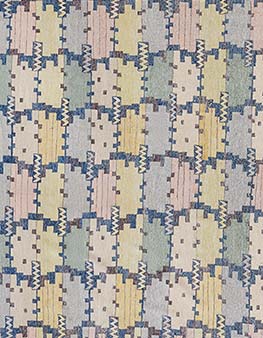
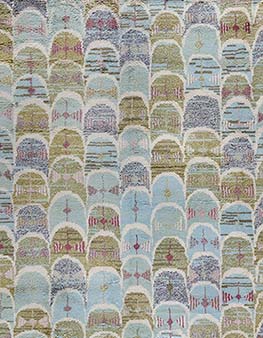
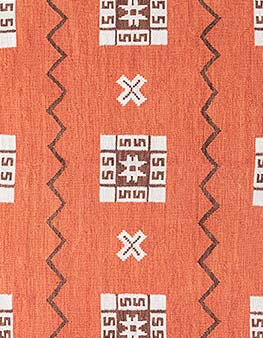
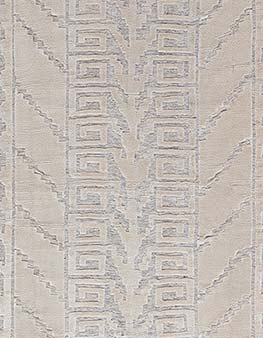
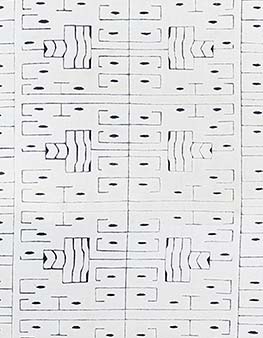
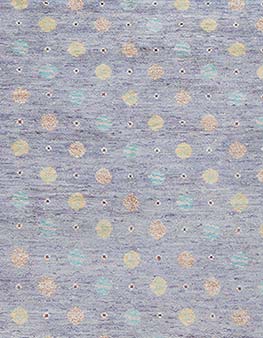
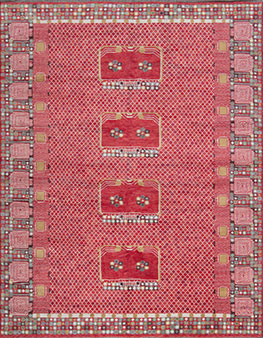
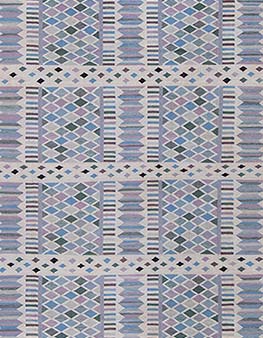
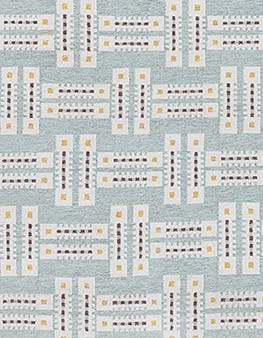
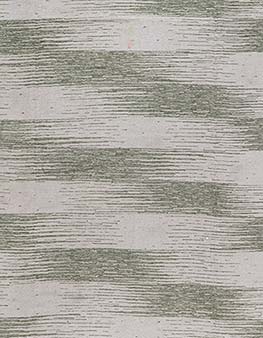
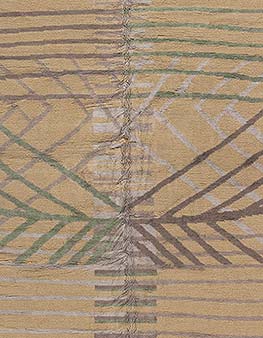
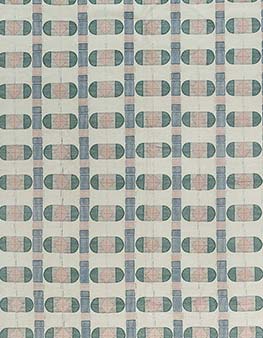
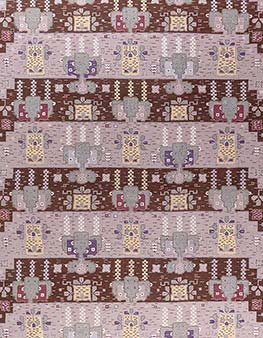
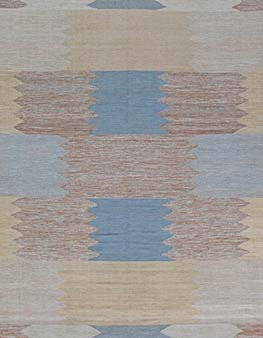
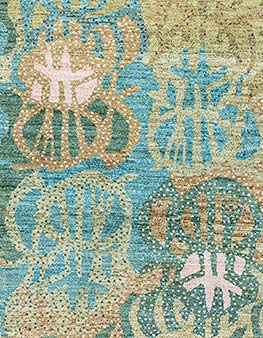
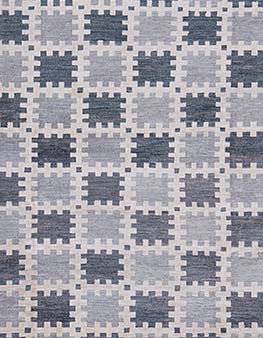
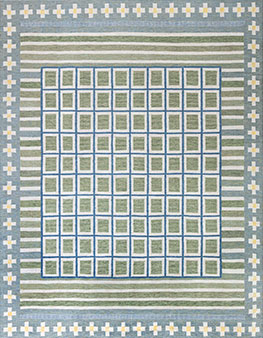
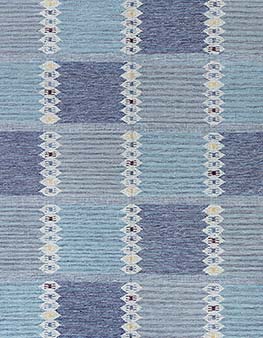
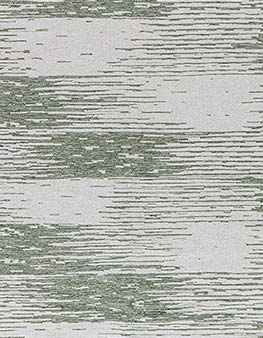
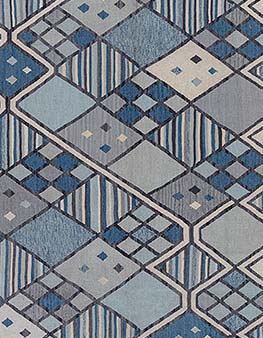
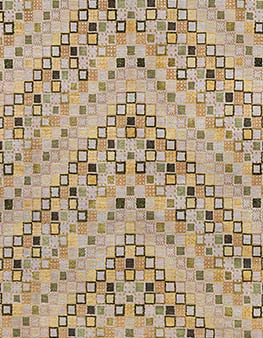
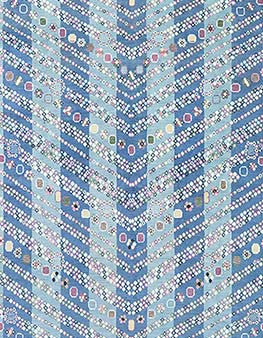
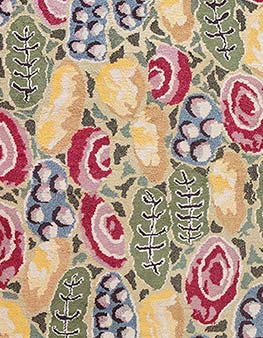
The collection is especially useful for interior designers and luxury homeowners seeking modern Scandinavian rugs with the discipline of vintage Swedish weaving and the flexibility of new production. Many pieces reference Rollakan flatweaves, Rya-inspired pile, checkerboards, chevrons, diamonds, lattices, stripes, soft florals, and abstract motifs. Palettes often center on ivory, sand, pale taupe, light gray, slate, blue, sage, golden tan, and warm brown, making them compatible with Mid-Century Modern, contemporary, minimalist, transitional, and collected interiors.
Nordic Design Language, Handmade Construction
Traditional Scandinavian rug design developed around practical materials, clear patterning, and a strong relationship to domestic interiors. Today, that language feels current because it balances simplicity with personality. A flatweave can keep a room crisp and architectural, while a hand-knotted wool rug adds depth, density, and a more substantial underfoot presence. The best examples depend on proportion, rhythm, and color placement rather than ornate decoration, which is why Swedish-style rugs pair so well with vintage furniture, tailored upholstery, plaster walls, oak floors, and large open rooms.
- Choose flatweave rugs for a lower profile and graphic clarity.
- Use hand-knotted wool rugs where softness and durability matter.
- Select pale neutrals to expand a room visually without losing texture.
- Consider geometric patterns for dining rooms, libraries, and seating areas.
- Measure furniture placement before choosing room-size, oversized, or runner formats.
How to Select a Scandinavian Rug for a Luxury Interior
Scale is often the deciding factor. A Scandinavian area rug should relate to the architecture, not simply fill empty floor space. Oversized rugs can unify open-plan living rooms, while runners bring pattern and warmth to corridors, dressing rooms, and long galleries. In bedrooms, a soft wool rug in pale gray, cream, or muted blue can create calm without feeling plain. For dining rooms, flatter constructions are often easier to live with, and geometric repeats help disguise movement around chairs.
Material and weave should also guide the decision. Handmade wool rugs offer resilience, color softness, and a tactile surface suited to daily use. Wool and silk combinations can add subtle luminosity when a room calls for a more refined finish. When comparing pieces, review dimensions, construction, palette, pattern scale, and how the rug will interact with upholstery, wall color, and natural light. Doris Leslie Blau listings are designed to support that evaluation with visible sizing and pricing for serious buyers.
Custom Made Scandinavian Rugs
Because this is a new rug category, Scandinavian design is especially well suited to custom made rugs and made-to-order projects. Designers may need a specific width for a long room, a softer version of a geometric motif, or a palette adjusted to match stone, wood, fabric, or painted millwork. Custom sizing can preserve the clean Nordic character while solving real project constraints. Since 1965, Doris Leslie Blau has worked with discerning clients across antique, vintage, modern, and custom rug categories, bringing the same curatorial eye to new Scandinavian rugs for contemporary luxury interiors.