





Luxury Runner Rugs
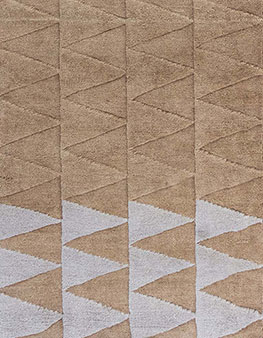
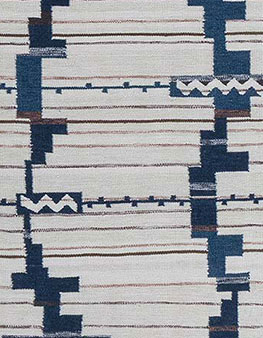
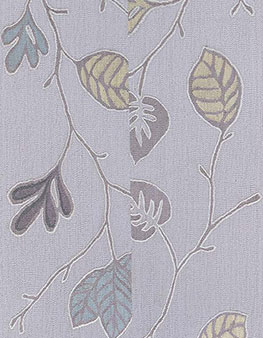
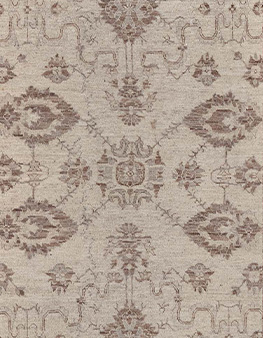
Luxury runner rugs bring proportion, texture, and visual rhythm to the narrow spaces that often define the experience of a fine interior: hallways, stairs, galleries, entry sequences, dressing rooms, kitchens, and passages between larger rooms. At Doris Leslie Blau, runner rugs are selected with the same attention given to room-size antique carpets, vintage rugs, and contemporary area rugs. The collection includes hand-knotted wool runners, silk and wool-and-silk pieces, low-profile flatweaves, modern geometric designs, Art Deco-inspired patterns, floral compositions, stripes, and traditional motifs adapted for current interiors.
Choosing Runners for Hallways, Stairs, and Galleries
A runner should feel architectural rather than incidental. In a long hallway, it can guide the eye toward art, millwork, a staircase, or a formal room beyond. On a stair landing or in a private gallery, the right rug introduces softness without interrupting circulation. Scale is central: width, length, border treatment, pile height, and the amount of exposed floor around the rug all affect whether the installation feels balanced. Interior designers often compare several dimensions before deciding whether a listed runner or a custom made runner will best suit the space.
Materials, Weave, Pattern, and Practical Use
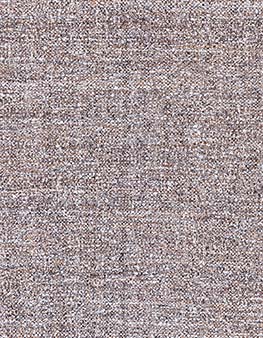
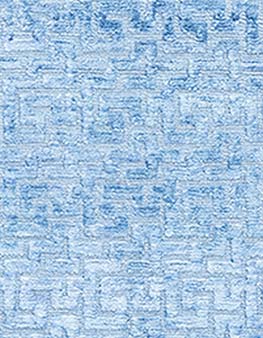
The best runner rugs are evaluated by more than color. Hand-knotted runners offer depth, surface variation, and a sense of craftsmanship that works beautifully in formal corridors and layered interiors. Flatweave runners provide a lower profile and crisp graphic character, useful where door clearance, kitchens, or a streamlined architectural setting matter. Wool is valued for resilience and texture; silk and wool-and-silk runners add luminosity for quieter spaces where visual refinement is the priority.
- Measure the full walkway, including door swings and furniture clearances.
- Leave intentional floor exposure along the sides and ends.
- Choose wool for active areas and silk for more formal passages.
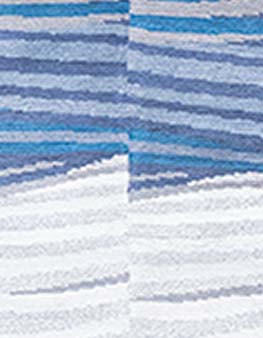
- Use stripes or geometry to strengthen long architectural lines.
- Select floral or traditional designs to connect with antique rugs nearby.
- Consider custom sizing when standard lengths interrupt the room’s proportion.
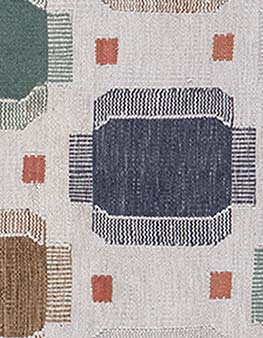
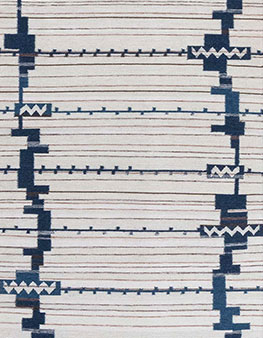
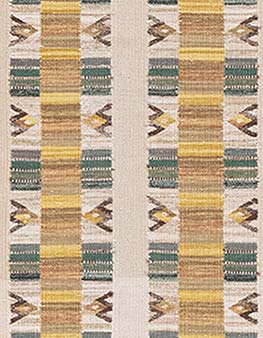
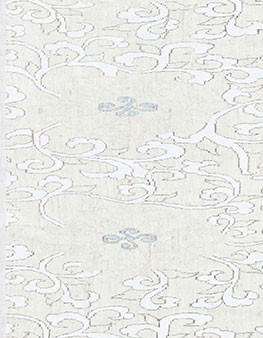
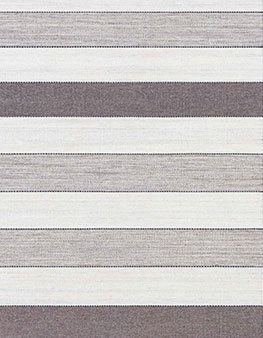
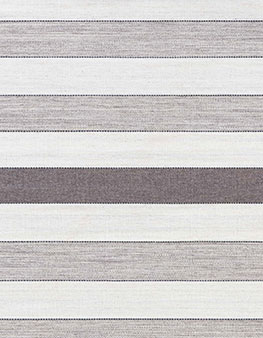
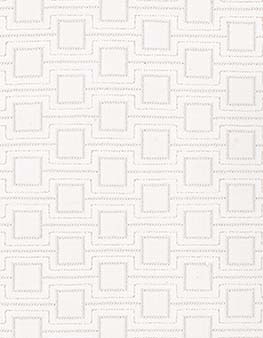
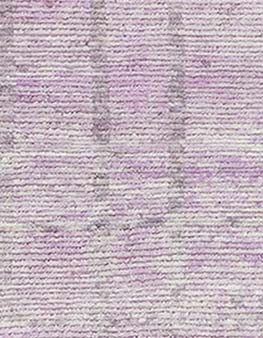
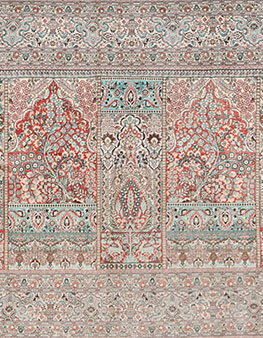
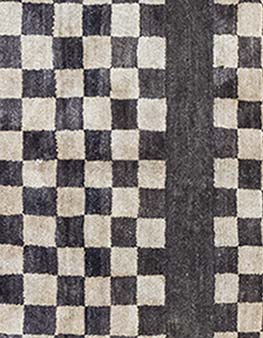
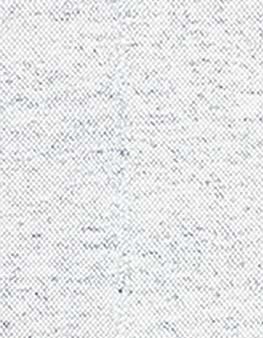
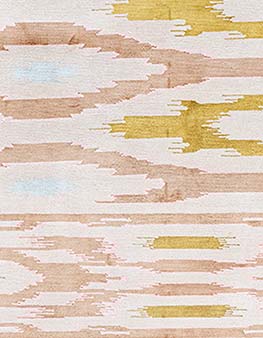
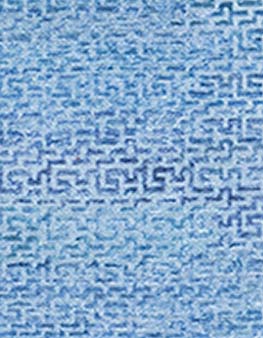
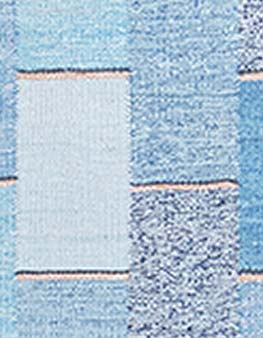
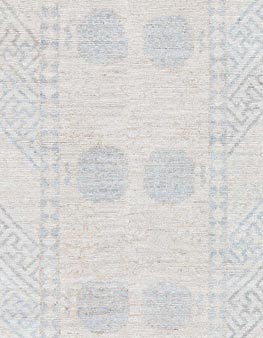
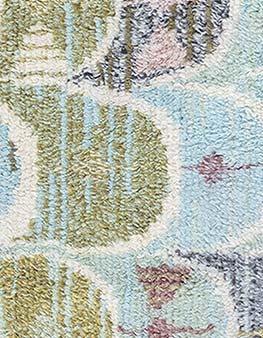
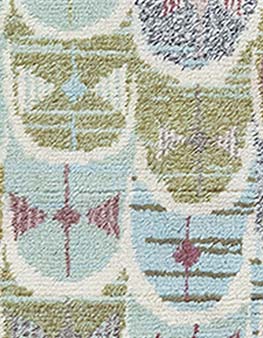
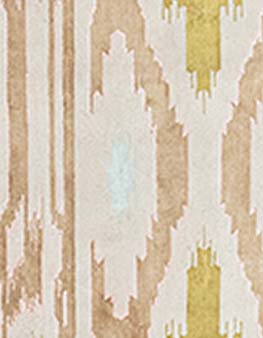
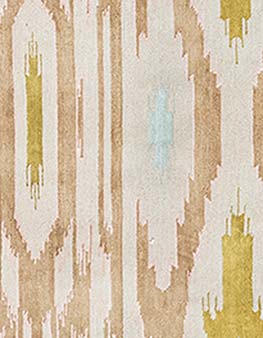
Design direction matters as much as construction. A pale Scandinavian-inspired runner can soften a contemporary hallway without competing with art or stone floors. A geometric or striped runner can add movement to a restrained interior. A floral, Aubusson-influenced, Oushak-inspired, Moroccan, or Art Deco runner can create a bridge between antique area rugs and modern furniture. For homes that combine Persian rugs, Oriental carpets, vintage decorative rugs, and new custom pieces, a runner can quietly connect rooms while introducing its own scale, palette, and rhythm.
Custom Runner Rugs and Curated Luxury Sourcing
Doris Leslie Blau has sourced important rugs from estates, auctions, dealers, and private collections since 1965, and that eye for quality informs the gallery’s new and custom runner selection. Many luxury interiors require unusual lengths, narrow widths, repeated designs for multiple corridors, or colors matched to stone, wood, upholstery, and wall finishes. When the ideal piece is not already available, custom runner rugs and made-to-order options can be developed around the correct material, weave, pattern, and proportion, giving designers and homeowners a precise solution for demanding spaces.