



Room Size Rugs for Refined Interiors
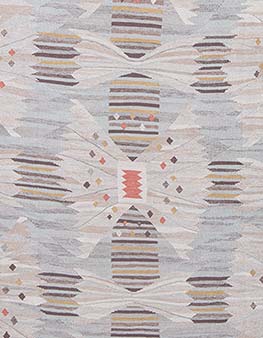
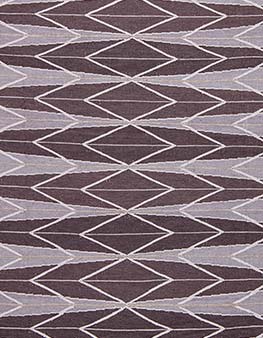
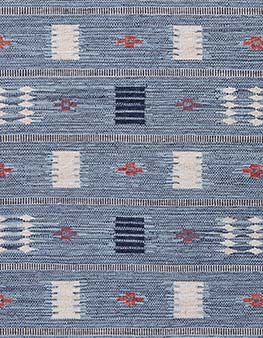
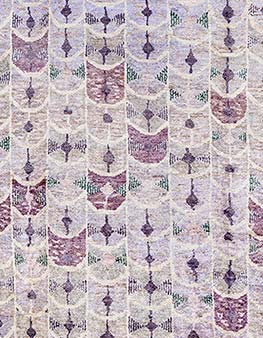
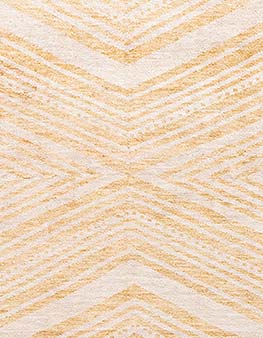
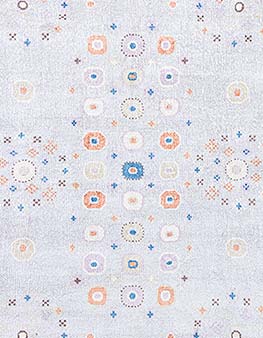
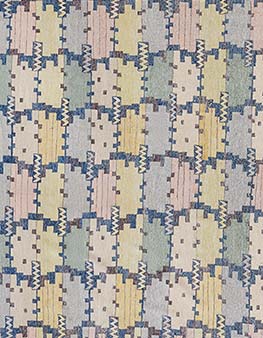
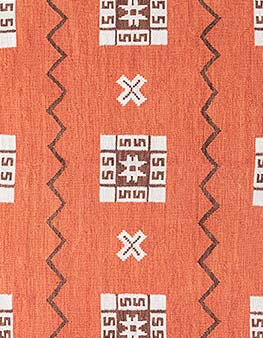
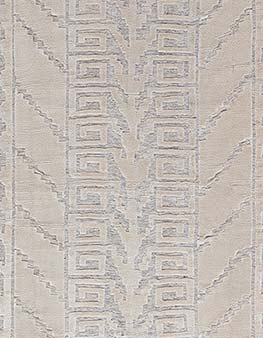
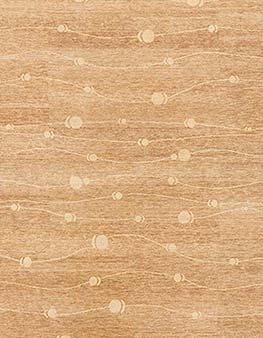
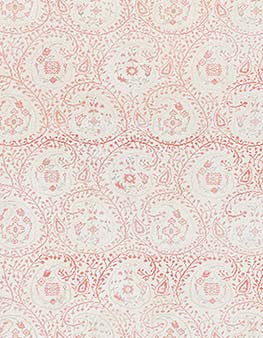
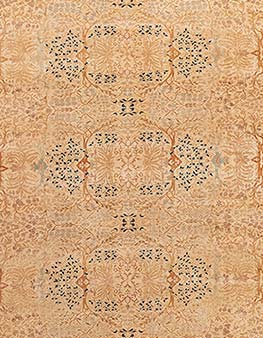
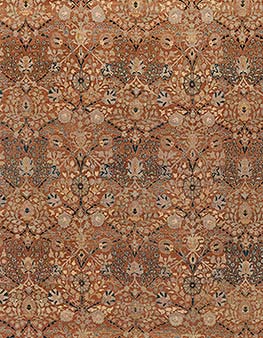
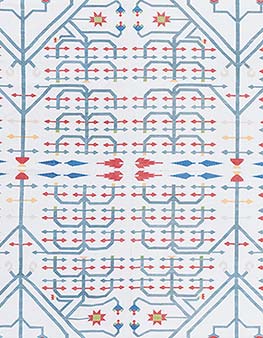
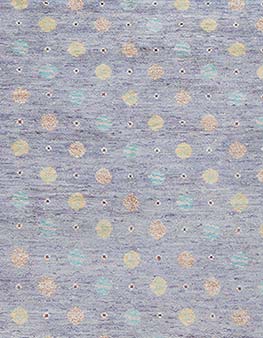
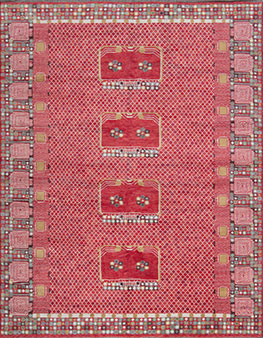
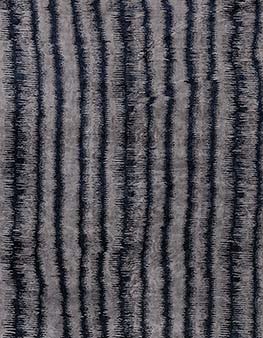
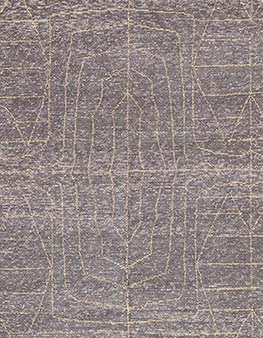
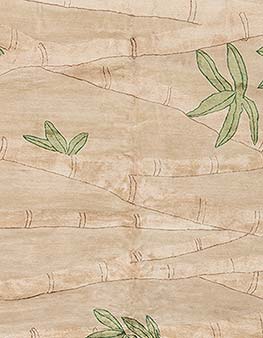
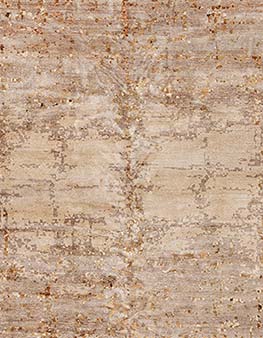
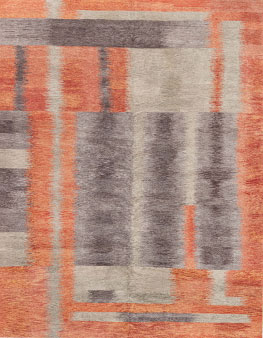
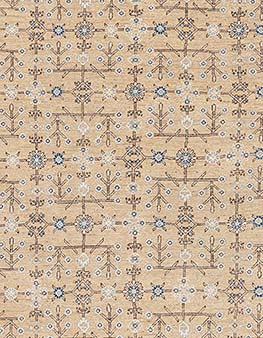
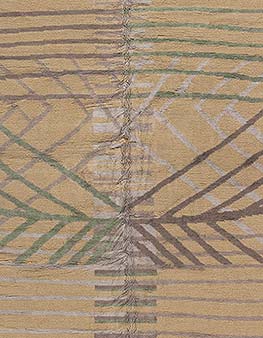
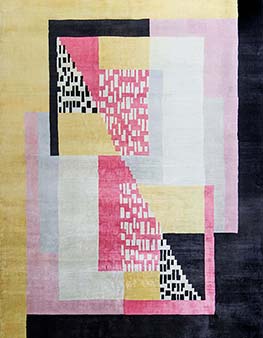
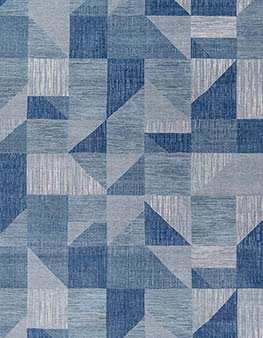
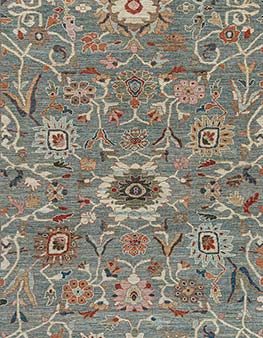
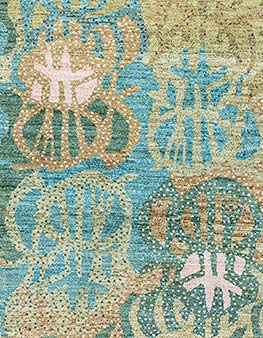
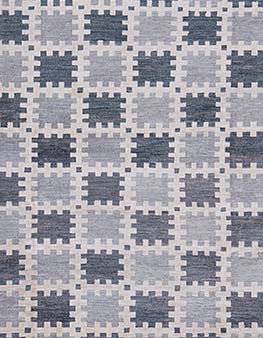
Room size rugs are the foundation pieces that make a furnished room feel intentional. Unlike accent rugs, they must relate precisely to architecture, furniture placement, traffic flow, color temperature, and the scale of the objects around them. Doris Leslie Blau’s selection brings together room size rugs in modern, traditional, transitional, and historically informed designs, including hand-knotted wool rugs, wool-and-silk carpets, flatweaves, Scandinavian patterns, Oushak-inspired compositions, Art Deco geometrics, abstract designs, and decorative floral carpets suited to sophisticated residential and hospitality interiors.
Choosing the Right Room Size Rug
A room size rug is often selected for spaces where the rug should anchor the full furniture plan rather than sit as a small decorative note. Common dimensions such as 8×10, 9×12, 10×14, and larger variations can define a seating group, support a dining table with chairs pulled out, or soften the proportions of a bedroom. The best choice depends on more than square footage. Designers usually evaluate the distance from walls, the front-leg or all-leg furniture layout, doorway clearances, and how the pattern will appear once sofas, tables, or beds are placed over it.
Material and construction also matter. A dense hand-knotted rug in wool offers durability and depth, while silk or wool-and-silk designs can add luminosity for formal rooms and quieter-use spaces. Flatweaves provide a lower profile and a crisp, architectural surface. Pattern choice should be equally deliberate: allover designs can create continuity, medallion carpets can establish symmetry, and abstract or geometric rugs can bring structure to contemporary rooms without competing with art, stone, millwork, or upholstery.
- Measure the usable floor area, not just the room’s wall-to-wall dimensions.
- Allow enough rug coverage for chairs, sofas, and circulation paths.
- Compare pile height with door swings and furniture proportions.
- Consider wool for resilience and silk accents for refined sheen.
- Use custom sizing when standard dimensions interrupt the floor plan.
Modern, Traditional, Vintage, and Antique References
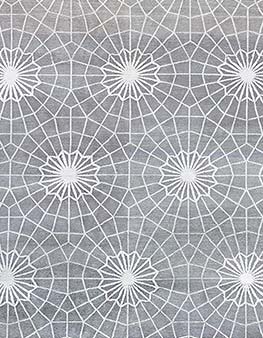
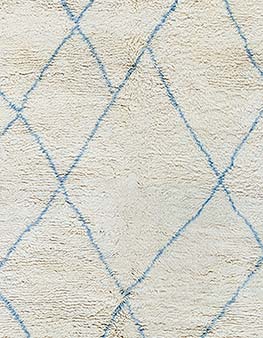
This category is especially useful for buyers comparing new room size rugs with the character of vintage rugs and antique carpets. Many contemporary pieces draw on established design languages: Oushak softness, Tabriz and Sultanabad floral balance, Art Deco rhythm, Moroccan geometry, Scandinavian restraint, Bauhaus clarity, or Aubusson and Savonnerie formality. Antique rugs are typically 100+ years old, while vintage rugs are generally younger, but new rugs can still offer historically informed patterns, hand craftsmanship, and room-ready palettes that work beautifully in layered interiors.
For collectors and interior designers, the advantage of a curated room size rug category is the ability to compare scale, palette, weave, and style quickly. A pale wool carpet can calm a formal living room; a strong geometric rug can organize a modern library; a warm tan, cream, gray, or taupe composition can bridge traditional architecture and contemporary furniture. Since 1965, Doris Leslie Blau has worked with estates, auctions, dealers, and private collections, and that long view of rug history informs how new, vintage, antique, and custom rug options are selected for high-end interiors.
Custom Room Size Rugs and Made-to-Order Options
When an available rug is close but not exact, a custom made rug can solve the design problem without compromising the plan. Made-to-order room size rugs are particularly valuable for unusual room proportions, oversized seating arrangements, square rooms, long dining rooms, or projects requiring a specific palette, weave, or border scale. Buyers can review listed prices and exact dimensions on product pages, then consider whether an in-stock rug or a custom size offers the strongest solution for the space.