


Antique Small Rugs for Refined Interiors
Antique small rugs offer a concentrated expression of craftsmanship, history and design. In luxury interiors, a smaller rug is rarely an afterthought: it can define an entry, soften a bedside setting, anchor a reading chair, add pattern beneath a desk, or introduce a rare textile where a room-size carpet would overwhelm the architecture. Doris Leslie Blau curates small antique area rugs with attention to origin, age, weave, condition, palette and decorative usability, helping designers and collectors compare pieces with confidence.
What Defines a Small Antique Rug
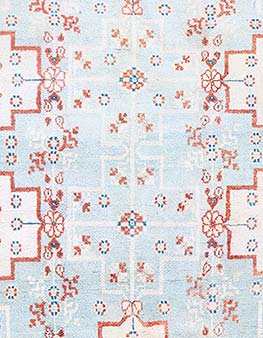
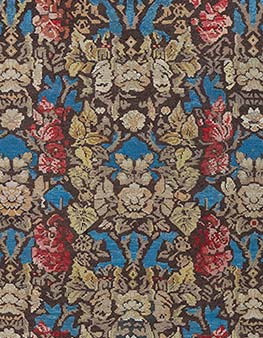
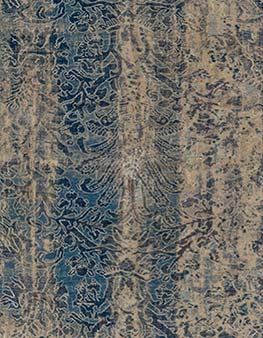
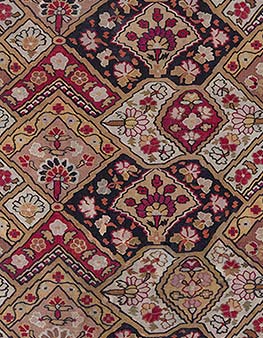
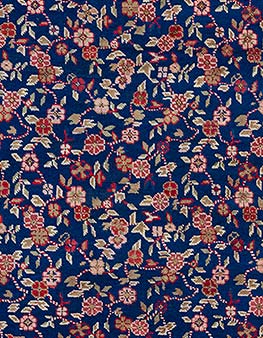
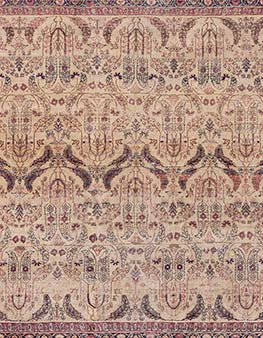
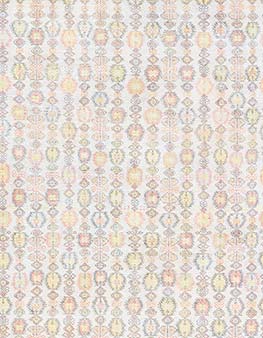
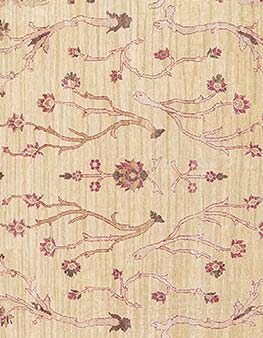
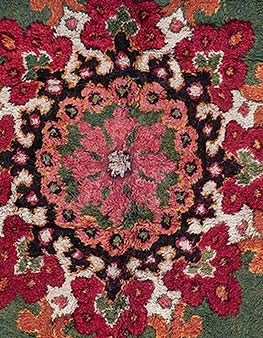
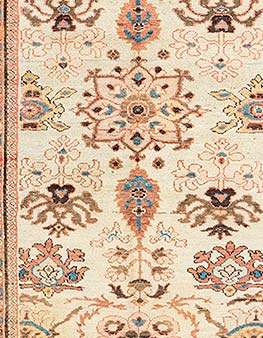
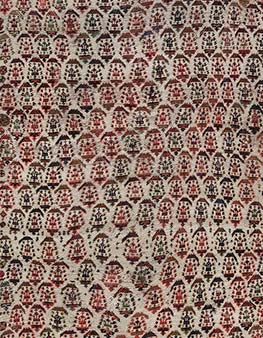
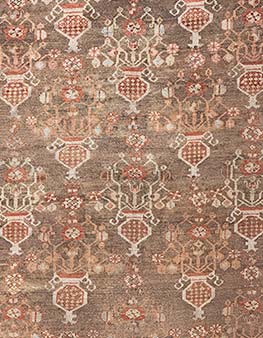
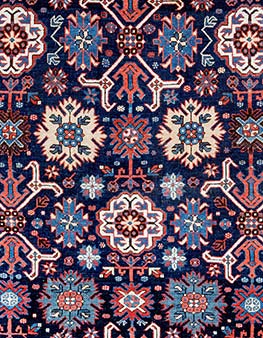
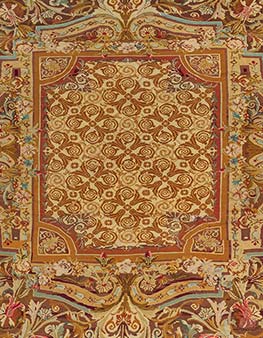
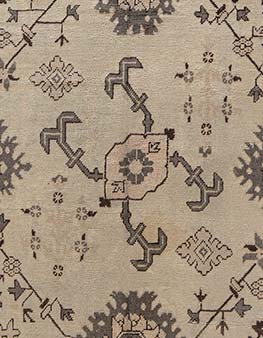
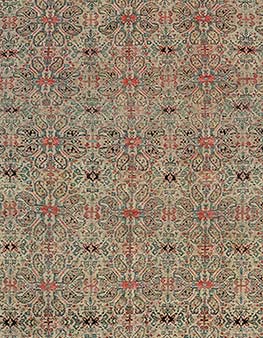
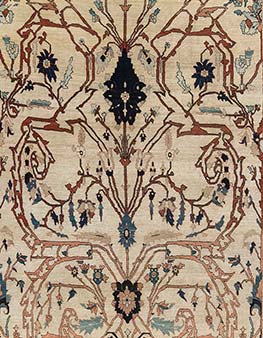
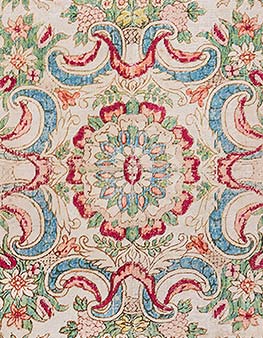
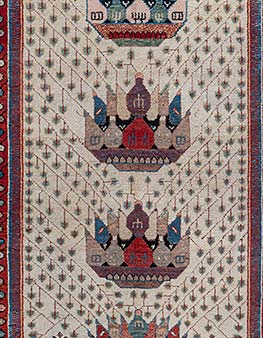
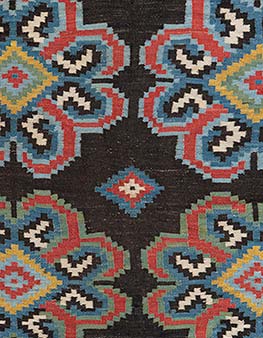
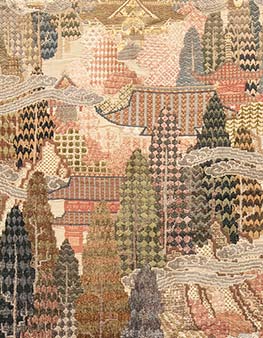
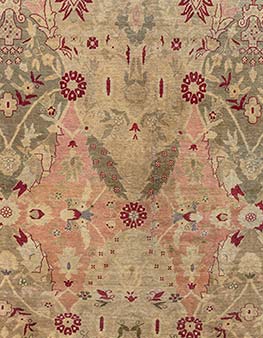
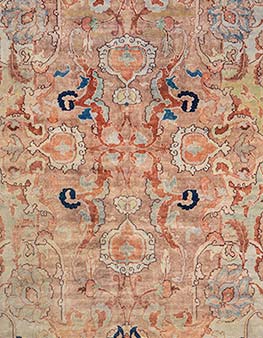
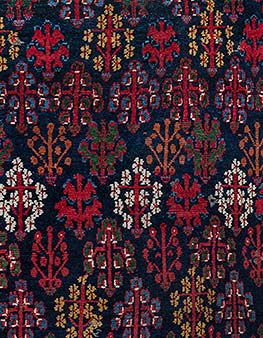
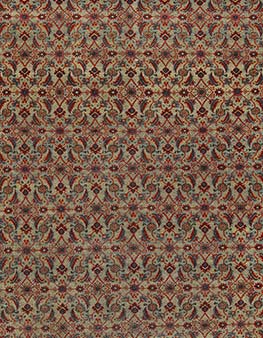
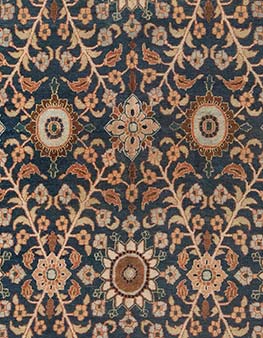
In the rug market, antique rugs are typically 100+ years old, although some collectible early twentieth-century pieces are also sought for their design value and workmanship. This category includes compact and intermediate formats from important weaving traditions: Persian Kirman, Tabriz, Malayer and Sultanabad rugs; Turkish Oushak carpets; Indian Agra and Amritsar weavings; French Aubusson and Savonnerie pieces; English Axminster rugs; Caucasian designs; Bessarabian flatweaves; and other rare decorative carpets. Materials may include hand-spun or finely woven wool, cotton foundations, silk details, needlework construction, or flatwoven structures, each bringing a different texture and level of formality.
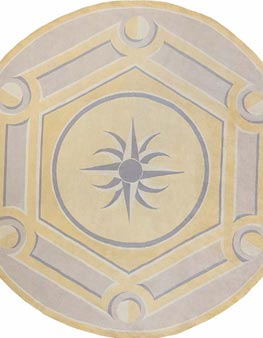
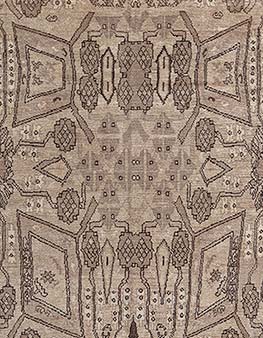
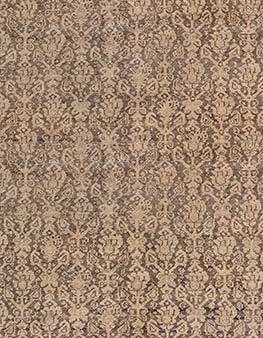
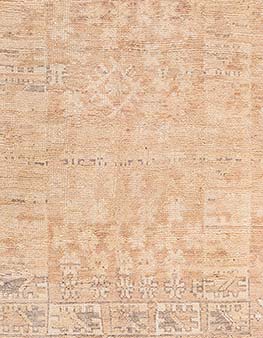
Scale is central to the appeal. A small antique rug can carry the same artistry as a grand carpet: scrolling palmettes, allover floral fields, architectural medallions, geometric tribal motifs, muted vegetable-dye color, abrash, patina and finely resolved borders. Because the surface area is more intimate, details become easier to read. Interior designers often use these rugs to create moments of contrast within contemporary rooms, to warm stone or wood floors, or to add a historically grounded textile to a modern furniture plan.
How to Choose an Antique Small Rug
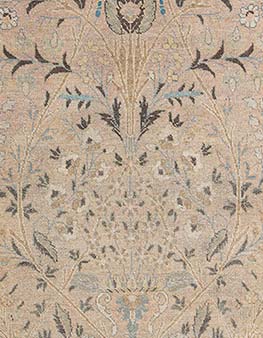
The best choice depends on both the room and the role of the rug. Some buyers want a quiet antique Persian rug in beige, taupe or soft brown; others need a bolder Caucasian geometric carpet, a formal French floral design, or a flatweave with graphic restraint. Condition should be evaluated in relation to age and intended placement: gentle wear and restoration may be appropriate for a decorative antique rug, while higher-traffic locations call for careful attention to pile, foundation and edge stability.
- Measure the exact floor area, including door swings and furniture clearances.
- Compare wool, silk, cotton, flatweave and needlework textures under room lighting.
- Choose allover patterns for flexibility and medallions for more formal placement.
- Review age, origin, weave and condition notes before comparing prices.
- Use small antique rugs to layer pattern without dominating the room.
Doris Leslie Blau Selection and Design Value
Since 1965, Doris Leslie Blau has sourced antique and vintage rugs directly from estates, auctions, dealers and private collections, building a collection valued by interior designers, architects, collectors and luxury homeowners. The small rug category benefits from that depth of sourcing: it brings together rare rugs that may be modest in footprint but substantial in character, from hand-knotted antique area rugs to European decorative carpets and collectible fragments with strong visual presence.
Each listing allows buyers to evaluate dimensions, materials and visible pricing before making an inquiry. For projects where an antique small rug inspires a broader scheme but the required size, color or construction is different, Doris Leslie Blau can also support custom made and made-to-order rug discussions. That complementary capability is especially useful when designers want the feeling of an antique textile in a precise modern scale, while preserving the option to select an authentic antique piece where the dimensions and condition are right.