



Medallion Antique Rugs
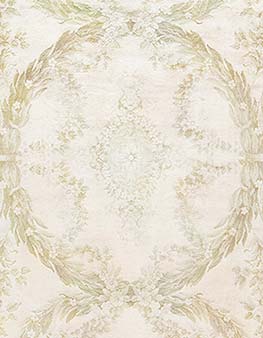
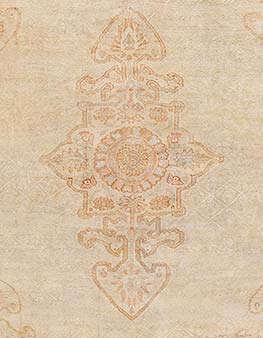
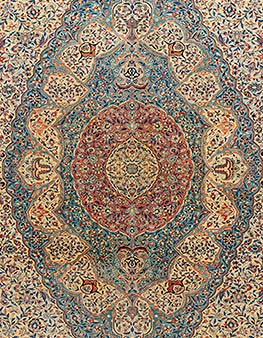
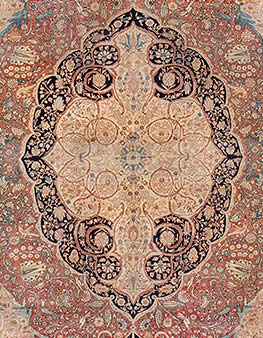
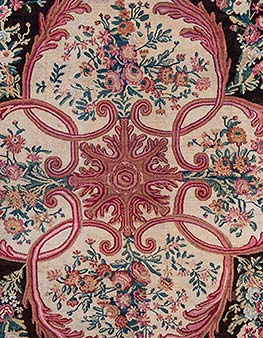
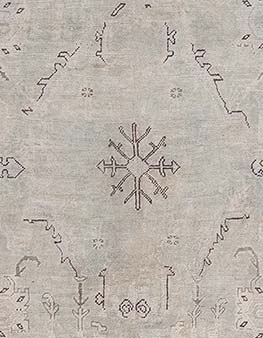
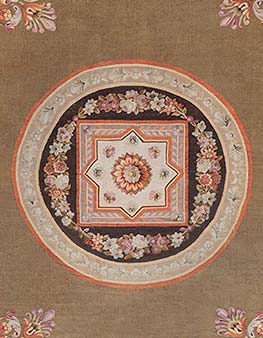
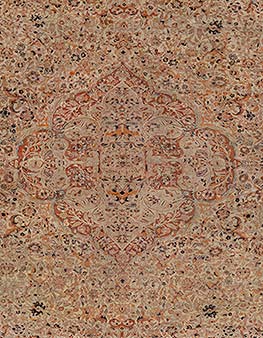
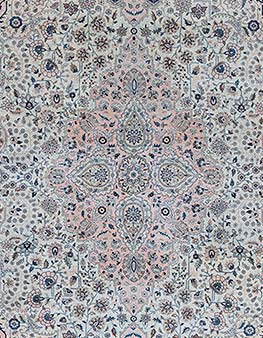
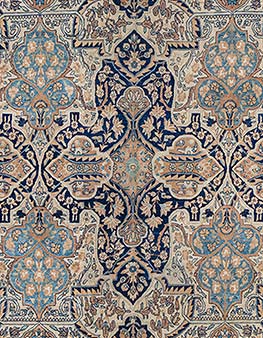
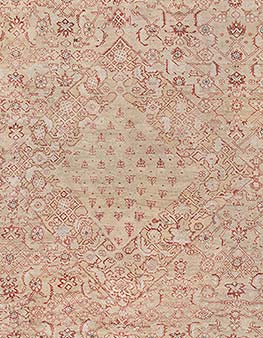
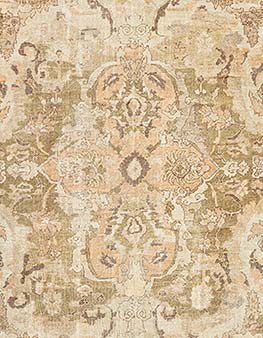
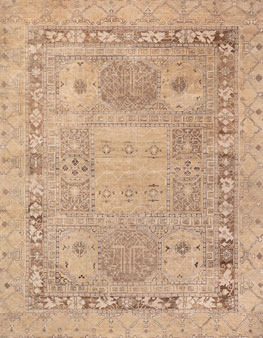
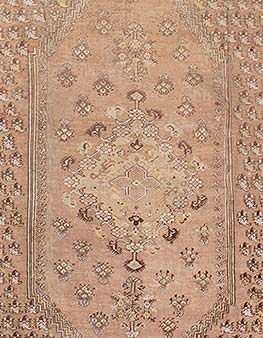
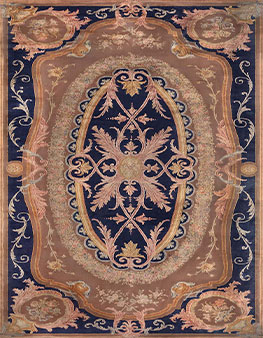
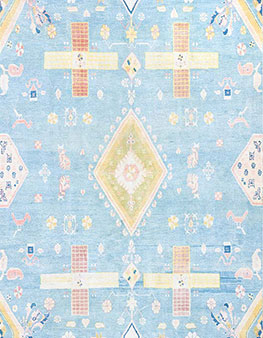
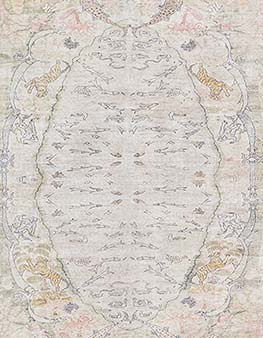
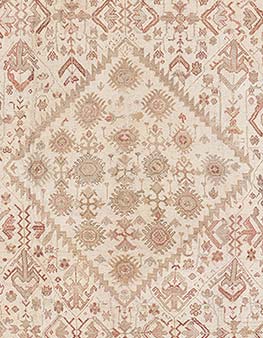
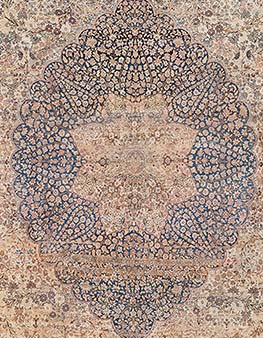
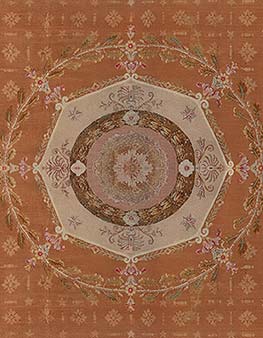
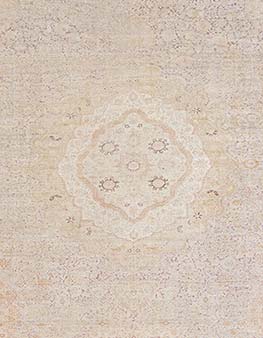
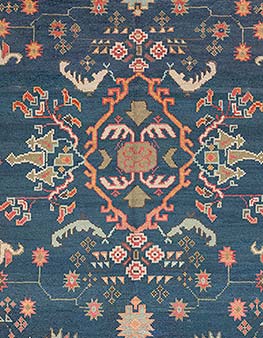
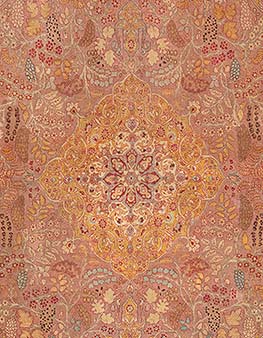
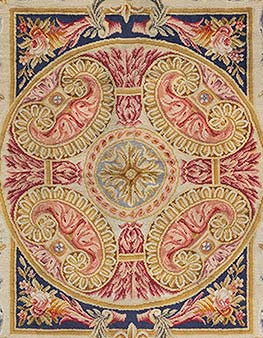
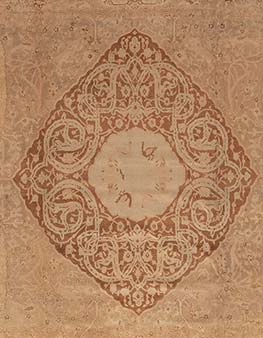
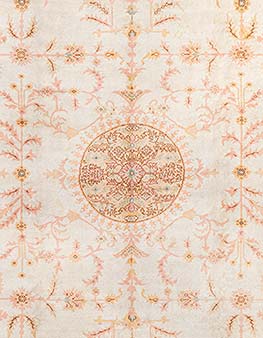
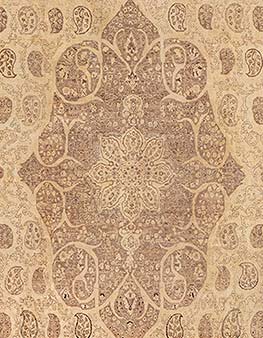
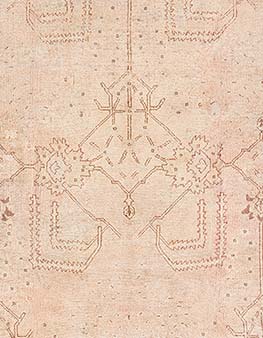
Medallion antique rugs are prized for their ability to organize a room with balance, scale, and decorative focus. Unlike allover patterns, a central medallion gives the eye a natural anchor, making these antique carpets especially effective beneath dining tables, in seating groups, grand bedrooms, galleries, and formal foyers. Doris Leslie Blau’s selection reflects the range of the tradition, from finely drawn Persian Kashan, Tabriz, Kirman, Meshad, and Sultanabad rugs to Turkish Oushak carpets, French Aubusson and Savonnerie designs, Indian Agra carpets, and English Axminster examples.
What Defines a Medallion Antique Rug?
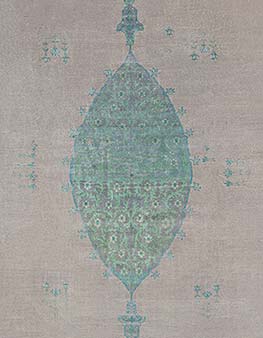
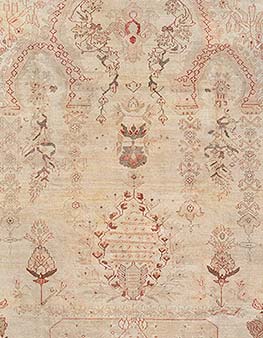
A medallion rug is built around a central motif, often framed by corner spandrels, floral borders, arabesques, vines, palmettes, or geometric guard bands. In Persian workshop rugs, the medallion may be highly detailed and symmetrical; in Oushak and Sultanabad carpets, it may appear more spacious, softly drawn, and decorative. French and European medallion carpets often interpret classical architectural ornament, garlands, wreaths, and neoclassical cartouches. In the antique rug market, antique rugs are typically understood to be 100+ years old, while each listing should be reviewed for its stated circa date, origin, construction, and condition.
- Choose Persian medallion rugs for refined drawing, layered borders, and formal design clarity.
- Consider Oushak and Sultanabad rugs for softer palettes, generous scale, and relaxed luxury interiors.
- Look at Aubusson and Savonnerie carpets for French classical rooms and architectural symmetry.
- Compare wool, silk, and cotton foundations for texture, sheen, durability, and decorative effect.
- Measure furniture placement carefully so the medallion aligns with the room rather than disappearing under key pieces.
Choosing Scale, Color, and Room Placement
The success of a medallion antique carpet depends heavily on proportion. A large or oversized rug can center a seating plan, while a room-size medallion rug may define a dining room without crowding the pattern. Designers often evaluate whether the medallion should remain visible, sit partially beneath a table, or act as a quiet axis below furniture. Soft beige, ivory, taupe, light blue, pale sand, warm tan, and muted gray palettes are especially useful in luxury interiors because they combine historic pattern with a more livable, contemporary atmosphere.
Craftsmanship, Provenance, and Decorative Value
Most important medallion antique rugs are hand-knotted or handwoven, with differences in weave, pile, foundation, dye, and surface patina revealing much about their origin and period. Persian city rugs may show fine curvilinear drawing; tribal and village pieces may have more individual geometry; European carpets often emphasize tapestry-like composition and courtly ornament. Condition matters, but so does character: age-softened color, graceful wear, and a well-preserved field can make an antique area rug more compelling than a newer reproduction.
Doris Leslie Blau has sourced antique rugs from estates, auctions, dealers, and private collections since 1965, giving interior designers, architects, collectors, and luxury homeowners access to pieces selected for design merit as well as rarity. Product listings allow buyers to compare dimensions, materials, circa dates, origin, palette, and pricing before making a focused inquiry. When an antique medallion rug inspires a project but the exact size or color is not available, custom made and made-to-order rugs may also be considered for spaces requiring a related decorative language in precise dimensions.