




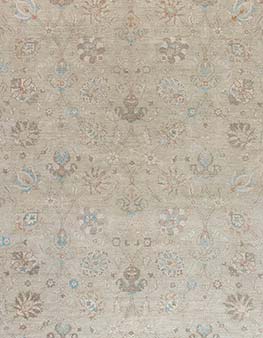
Floral Rugs for Luxury Interiors
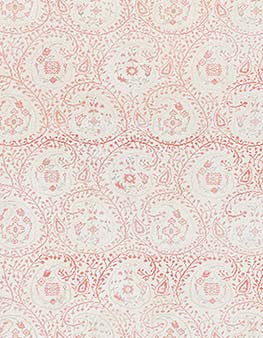
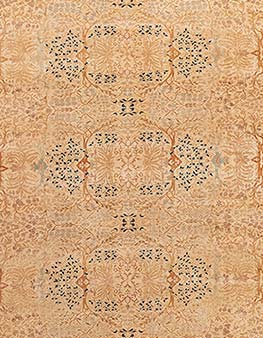
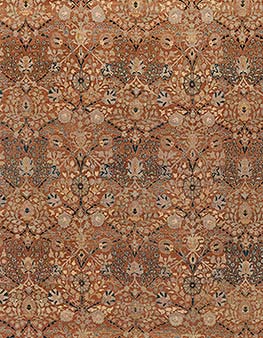
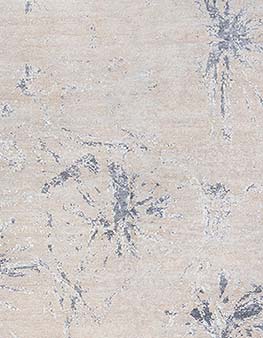
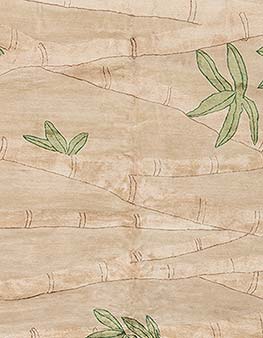
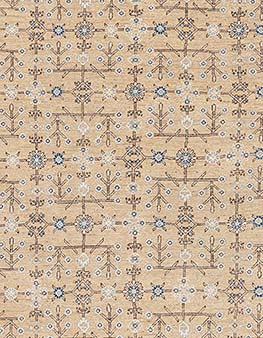
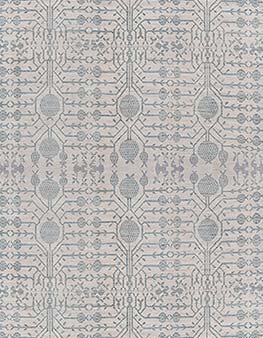
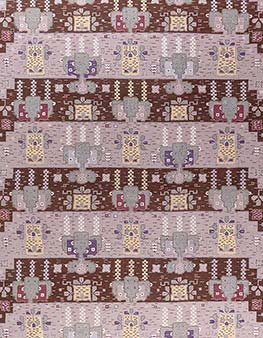
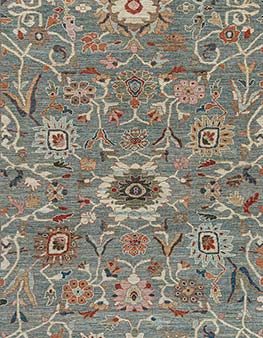
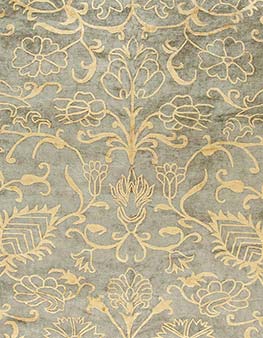
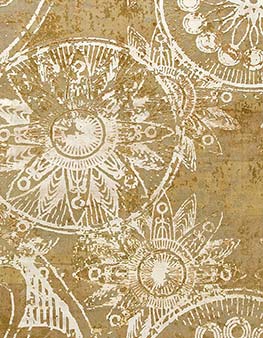
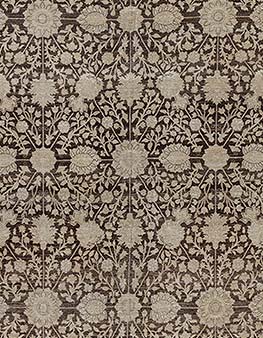
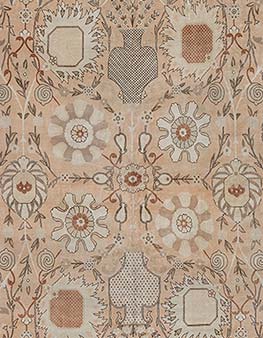
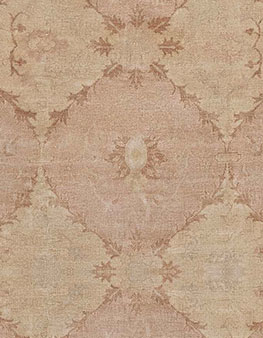
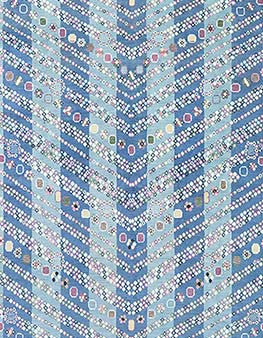
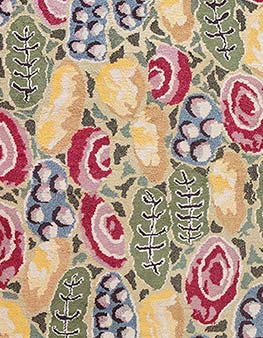
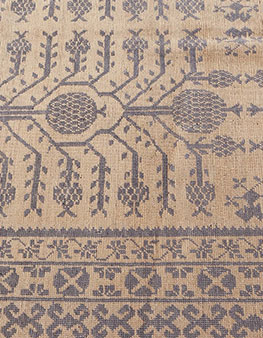
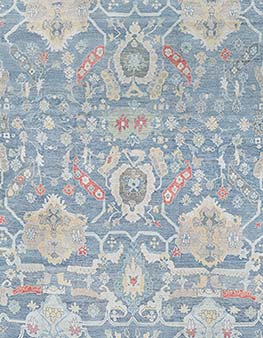
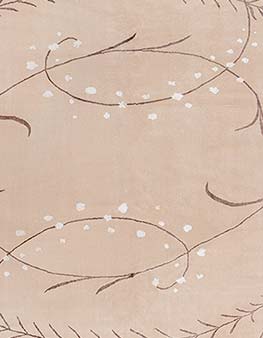
Floral rugs remain one of the most versatile categories in decorative carpet design because they can read as classical, painterly, architectural, or quietly abstract. In the Doris Leslie Blau new floral rug collection, botanical motifs appear across hand-knotted wool carpets, wool and silk rugs, refined flatweaves, medallion compositions, allover vine patterns, and contemporary interpretations of garden, blossom, leaf, arabesque, and palmette forms. The selection is built for interiors where the rug must do more than fill a floor: it needs to organize color, scale furniture, soften architecture, and add a layer of craftsmanship that feels considered rather than ornamental.
Traditional Sources, Modern Proportions
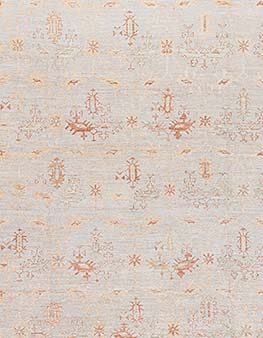
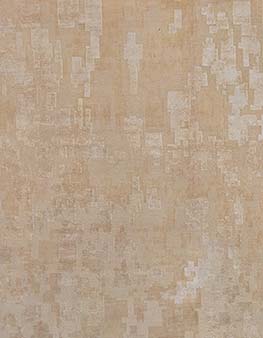
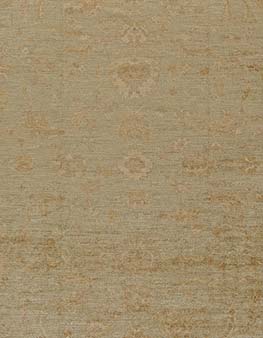
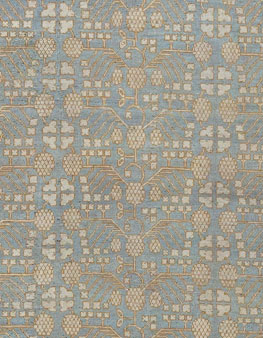
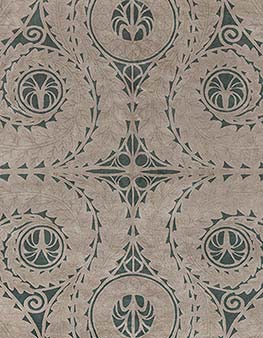
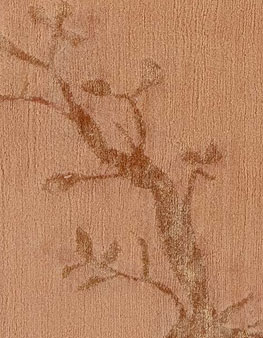
Many floral rugs draw from historic weaving vocabularies associated with Persian rugs, Oriental carpets, Turkish Oushak designs, Tabriz workshops, Sultanabad carpets, Aubusson patterns, Art Nouveau decoration, and Samarkand-inspired compositions. In a new rug category, these influences can be adapted with more flexible dimensions, updated palettes, and cleaner spacing than many antique rugs allow. A cream Oushak-style floral carpet may bring warmth to a formal living room, while a taupe Aubusson-inspired flatweave can suit a restrained library or bedroom. More abstract botanical rugs work especially well in contemporary interiors where the client wants movement and softness without a literal garden pattern.
- Consider whether the room needs an allover floral field or a centered medallion.
- Compare wool, silk, and wool-and-silk textures for sheen and durability.
- Use oversized floral rugs to anchor open-plan seating or dining areas.
- Choose softer palettes for calm rooms and bolder botanicals for focal spaces.
- Review width, length, weave, and listed pricing before requesting alternatives.
Materials, Weave, and Decorative Value
The best handmade floral rugs are judged by more than pattern alone. Material affects the way a floral design is perceived: wool gives structure and depth, silk can sharpen fine drawing and add luminosity, and flatweave construction creates a lighter, more graphic surface. Hand-knotted rugs allow detailed vine work, layered petals, shaded leaves, and subtle transitions between ground and border. Designers often select wool floral rugs for rooms that need resilience, while wool and silk carpets are chosen when the rug is expected to hold light beautifully in a formal interior.
Choosing a Floral Rug by Room and Scale
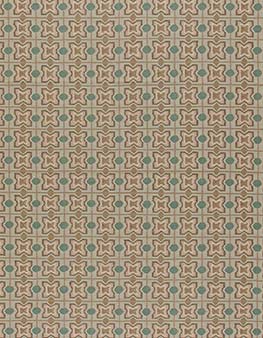
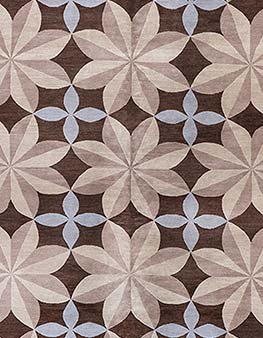
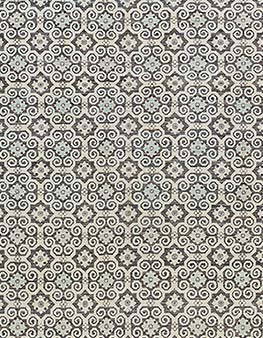
Scale is especially important with floral carpets. A small repeat can feel tailored and textile-like, useful beneath a seating group or in a bedroom. A large-scale blossom, palmette, or arabesque can make a grander architectural statement in a loft, gallery-like living room, or dining space. Runners with floral borders can soften long corridors, while square floral rugs can resolve difficult proportions in entryways, libraries, or sitting rooms. For clients who admire antique rugs but need a fresh size or palette, new floral rugs offer an effective bridge between historic design language and current interior planning.
Doris Leslie Blau has sourced and studied exceptional rugs since 1965, and that experience informs how new floral carpets are selected for the gallery. Buyers can compare origin references, construction, material, color, proportion, and product details before making an inquiry. When a listed piece is close but not exact, custom made floral rugs may be appropriate for projects requiring a particular room size, runner length, border treatment, or coordinated palette. The goal is a rug that supports the architecture, furniture plan, and long-term decorative character of the space.