


English Antique Rugs for Distinguished Interiors
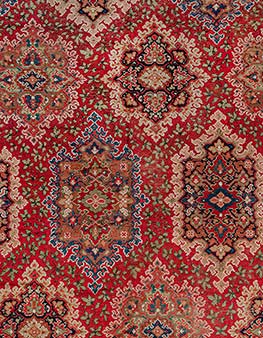
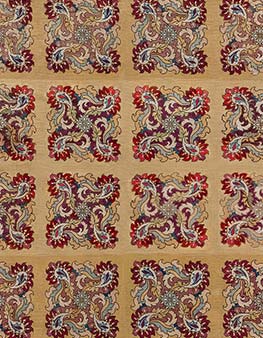
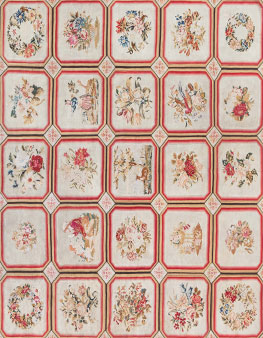
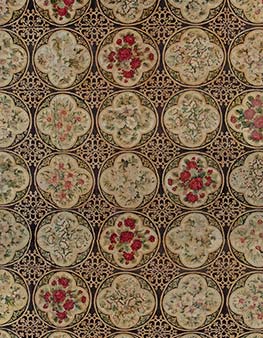
English antique rugs occupy a distinct place within the broader world of antique carpets: they combine European decorative discipline with the warmth and scale required for gracious interiors. This collection focuses on antique Axminster rugs, Wilton carpets, English needlework rugs, room-size carpets, oversized pieces, square formats, and runners selected for design value as well as usability. Many examples date from the 19th and early 20th centuries, when English weaving centers produced carpets for country houses, city residences, clubs, and formal reception rooms. Their appeal today lies in their architectural balance, softened palettes, and compatibility with both traditional and modern luxury interiors.
Axminster, Wilton, and Needlework Character
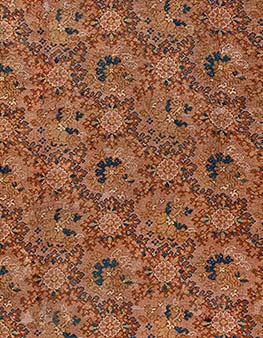
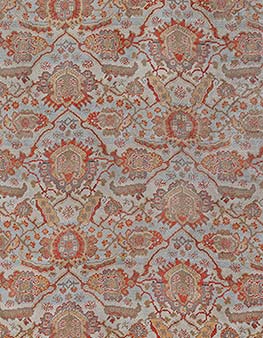
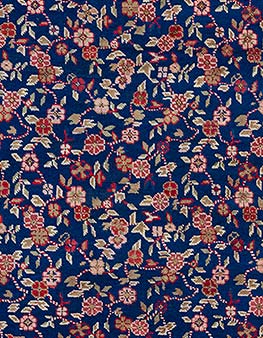
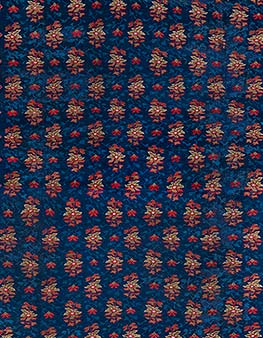
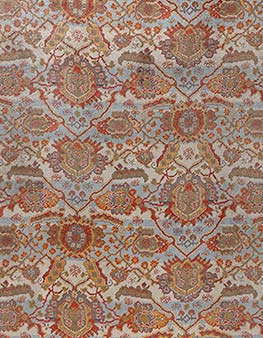
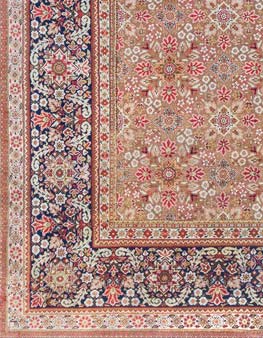
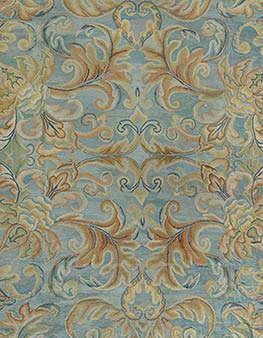
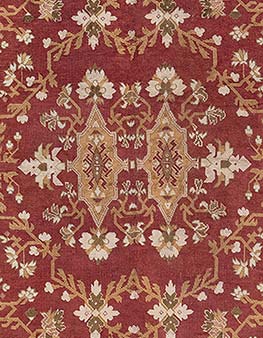
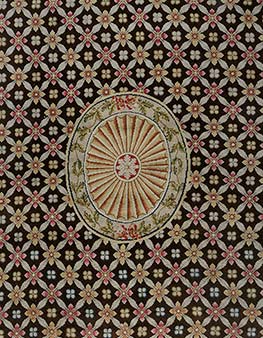
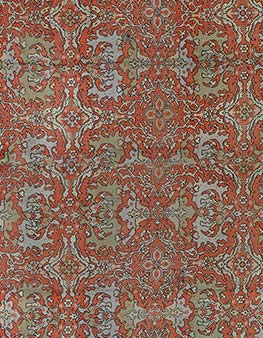
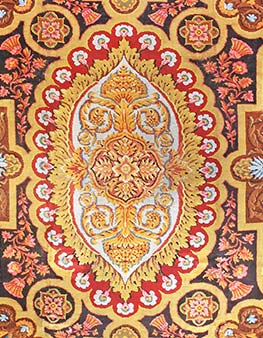
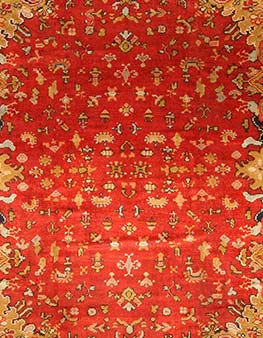
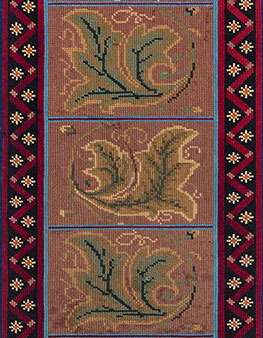
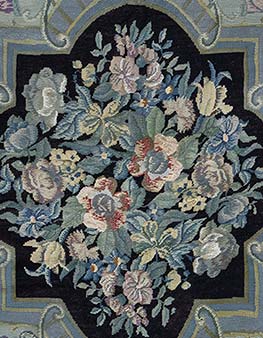
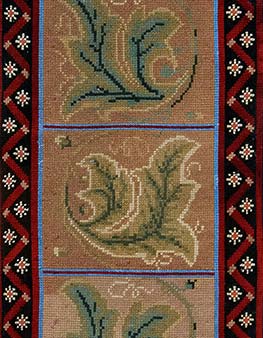
Unlike many Persian rugs or Oriental rugs, English antique carpets often favor controlled floral layouts, refined medallions, lattice structures, and calm allover fields. Axminster pieces may show large-scale botanical motifs, ivory or warm tan grounds, and generous proportions that suit dining rooms, living rooms, and galleries. Wilton rugs are valued for their precise woven surfaces and decorative restraint, while English needlework carpets offer a softer, tapestry-like presence with floral detail and muted wool color. Doris Leslie Blau evaluates these pieces by origin, age, construction, materials, scale, and condition, helping buyers compare decorative quality rather than relying on style names alone.
How to Choose an English Antique Carpet
For serious rug buyers, an English antique rug should be considered in relation to the architecture of the room. A large Axminster carpet can organize furniture in a formal salon without overwhelming the interior, while a narrow English runner can bring pattern and patina to a hallway or stair landing. Subtle beige, ivory, tan, slate blue, and golden brown palettes often work well with antiques, contemporary upholstery, stone floors, painted paneling, and layered art collections. Because antique rugs are typically 100+ years old, visible wear, restoration, and color variation should be read as part of the rug’s history and overall suitability.
- Review age and stated circa date alongside condition notes and images.
- Compare Axminster, Wilton, and needlework construction before choosing texture.
- Match scale to furniture placement, not just room dimensions.
- Use softer English palettes for layered, high-end interiors.
- Consider runners and square rugs for difficult architectural spaces.
Curated English Rugs from Doris Leslie Blau
Since 1965, Doris Leslie Blau has sourced exceptional antique rugs from estates, auctions, dealers, and private collections, including rare European carpets with strong decorative presence. The English antique rug selection is especially relevant for interior designers, collectors, architects, and luxury homeowners seeking pieces that feel historic without being visually heavy. Product listings allow buyers to review visible pricing, exact measurements, dominant color, design type, material, and construction details before making a more focused inquiry.
When a specific antique carpet is not the right size or palette for a project, Doris Leslie Blau can also discuss custom made and made-to-order rug possibilities as a separate design solution. For buyers comparing related English weaving traditions, the Axminster and Wilton Rugs category offers a focused way to explore those celebrated styles. The goal is not simply to find an old rug, but to select a rare decorative carpet with the proportion, craftsmanship, and visual authority a sophisticated room requires.