

Hand-Knotted Antique Rugs
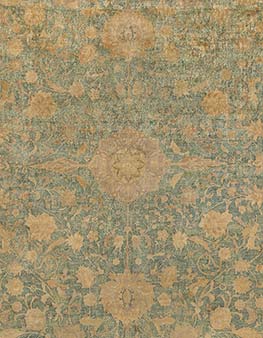
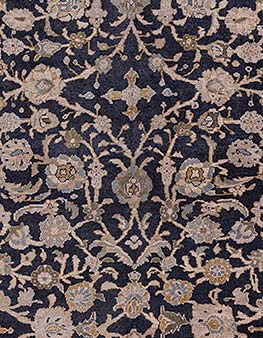
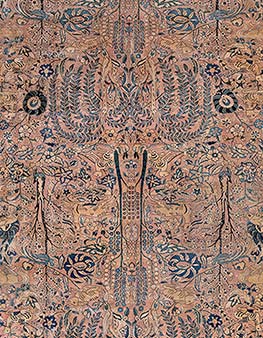
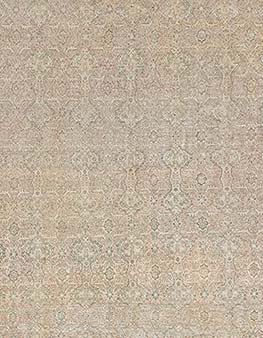
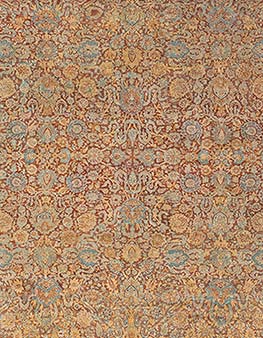
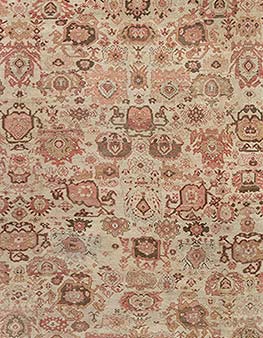
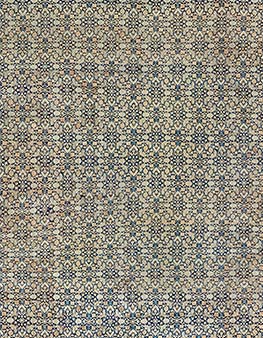
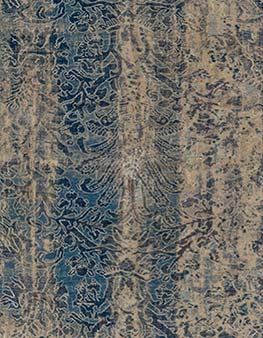
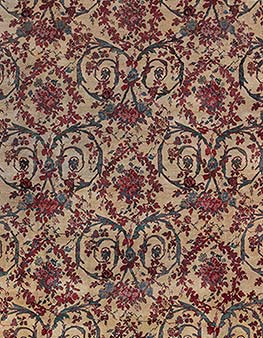
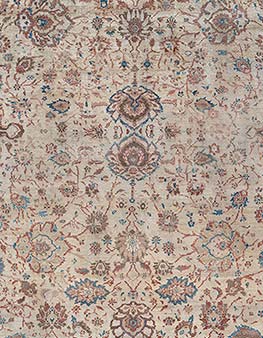
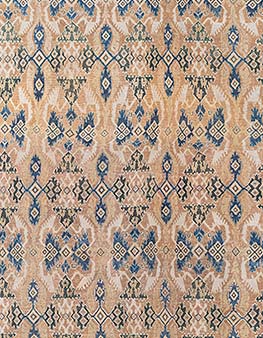
Hand-knotted antique rugs occupy a distinct place in luxury interiors: they are functional floor coverings, historic objects, and strong design anchors in the same piece. This Doris Leslie Blau collection brings together antique Persian rugs, Oriental carpets, Indian workshop carpets, Turkish Oushaks, European Savonnerie and Aubusson designs, tribal weavings, runners, oversized rugs, and antique area rugs selected for decorative impact as well as craft. Buyers can evaluate visible product details such as approximate date, origin, dimensions, material, pattern, and palette before comparing pieces for a residence, gallery-like apartment, hospitality project, or formal interior.
What Defines a Hand-Knotted Antique Rug
A hand-knotted rug is built knot by knot on a foundation, most often with wool pile on cotton or wool warps, and sometimes with silk used for finer detail. In the rug market, antique rugs are typically 100+ years old, though some early twentieth-century pieces are also collected and decorated with for their handwork, rarity, and aged surface. The most desirable examples show balance: a compelling design, sound structure, natural patina, appropriate restoration when present, and a palette that can live comfortably with important furniture, art, stone, plaster, wood, and contemporary architecture.
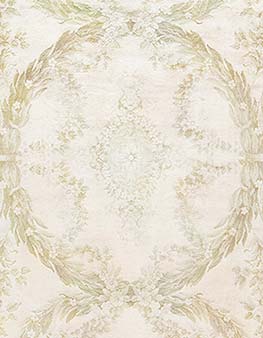
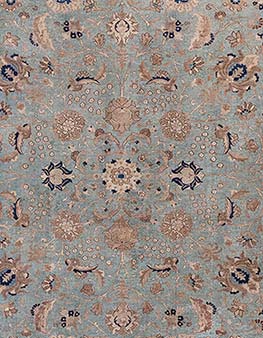
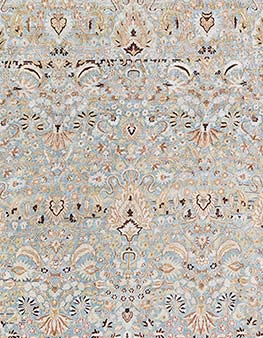
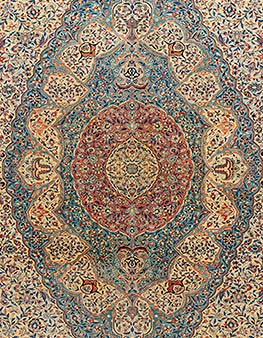
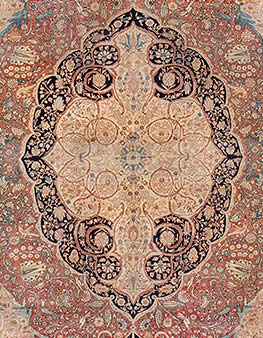
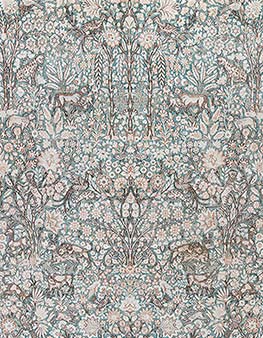
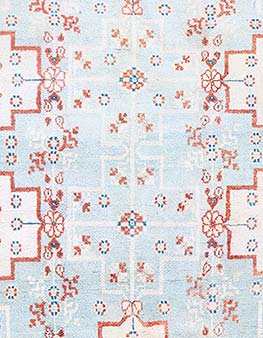
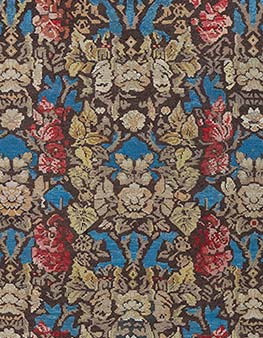
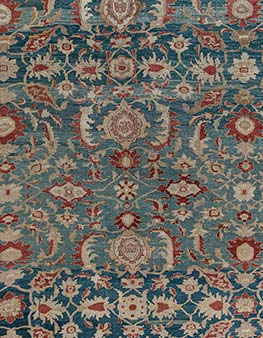
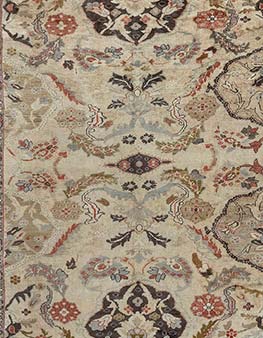
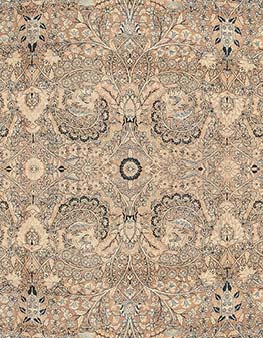
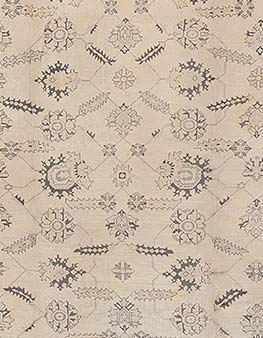
The category includes several major weaving traditions. Persian Tabriz, Kashan, Kirman, Bidjar, Meshad, Khorassan, and Sultanabad rugs may offer finely drawn medallions, allover florals, garden patterns, or large-scale arabesques. Turkish Oushak rugs are often valued for open drawing, spacious motifs, and softer color. Indian Agra and Amritsar carpets can bring grand scale and refined courtly design. French Savonnerie and Aubusson carpets introduce European formality, while Caucasian, Spanish, Bessarabian, and tribal rugs may add sharper geometry, saturated color, or folk-art character.
Choosing Antique Rugs for Luxury Interiors
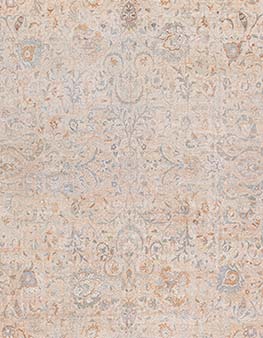
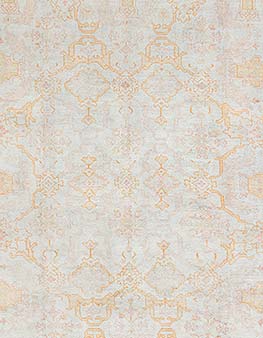
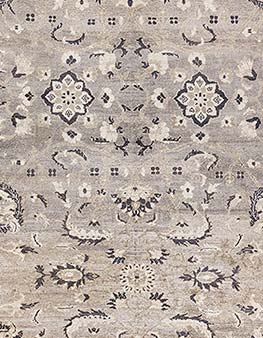
Serious buyers rarely choose an antique rug by style name alone. Scale, palette, condition, weave density, age, and room architecture matter just as much as origin. A pale antique Sultanabad can soften a large living room without overpowering the furniture; a finely woven Tabriz or Kashan may suit a library, dining room, or formal salon; a runner can define a hallway with history and movement. Oversized antique carpets are especially valuable because original large-format examples are increasingly difficult to source in strong decorative condition.
- Measure the room and decide whether furniture should sit fully or partly on the rug.
- Compare allover designs with medallion layouts for furniture placement and symmetry.
- Review materials, including wool, cotton foundations, and silk highlights where present.
- Assess condition, restoration, pile, edges, color, and suitability for expected foot traffic.
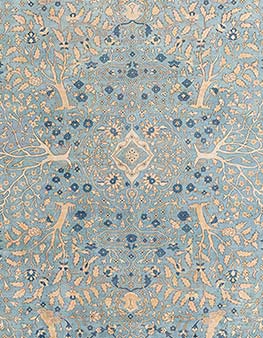
- Use palette strategically: muted neutrals, soft blues, warm tans, terracotta, ivory, and aged jewel tones behave differently in natural and evening light.
Interior designers often use antique carpets to resolve rooms that feel too new, too flat, or too dependent on a single period. A hand-knotted antique rug can sit beneath modern upholstery, eighteenth-century furniture, collectible lighting, or minimalist architecture because its surface has depth that machine-made rugs cannot replicate. The best pieces do not simply match a scheme; they create a visual center that makes surrounding materials feel more considered.
Doris Leslie Blau Selection and Custom Alternatives
Doris Leslie Blau has sourced antique rugs directly from estates, auctions, dealers, and private collections since 1965, giving designers and collectors access to pieces chosen with both scholarship and interiors in mind. The selection emphasizes rare rugs with usable decorative scale: room-size carpets, large and oversized rugs, square formats, runners, and smaller antique area rugs for layered spaces. Listings are intended to help buyers compare design, age, origin, material, dimensions, and price before requesting further guidance.
When an antique rug provides the right inspiration but not the exact size, condition, or color needed for a project, Doris Leslie Blau can also support custom made and made-to-order rug options. This is especially useful for large rooms, stair halls, hospitality interiors, and projects requiring a controlled palette. The antique collection remains the source of historical character; custom work offers a practical path when a one-of-a-kind antique cannot satisfy precise architectural requirements.