



Vintage Tribal Rugs
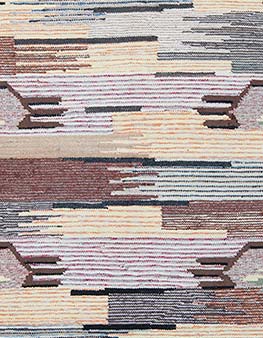
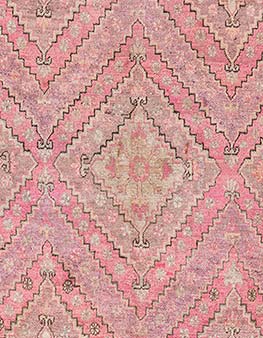
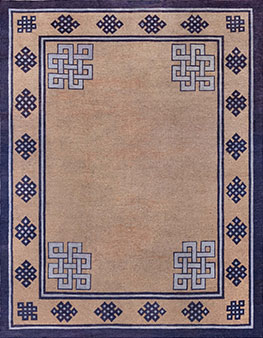
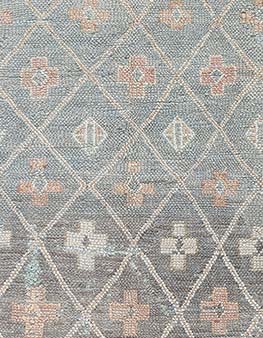
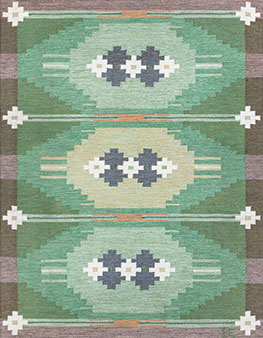
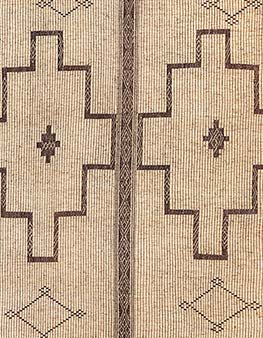
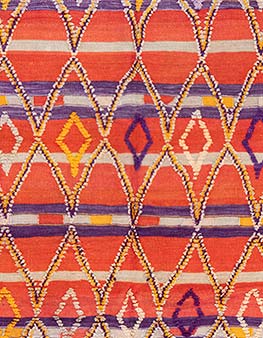
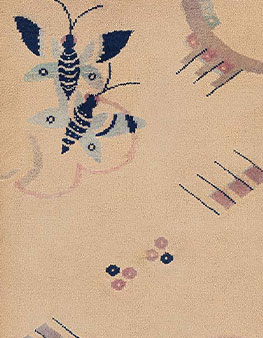
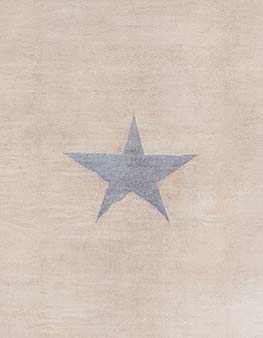
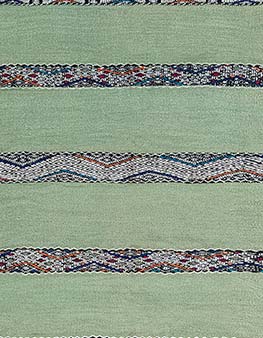
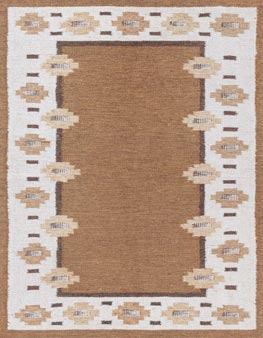
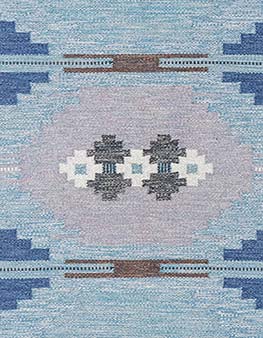
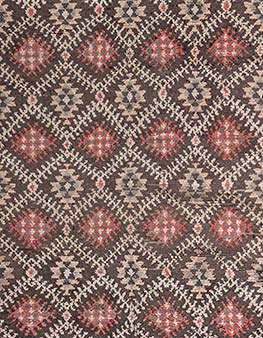
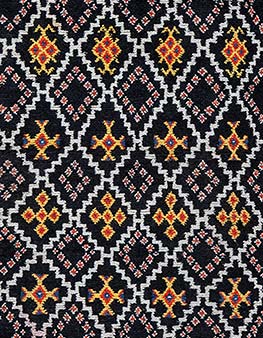
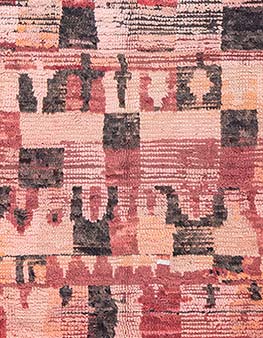
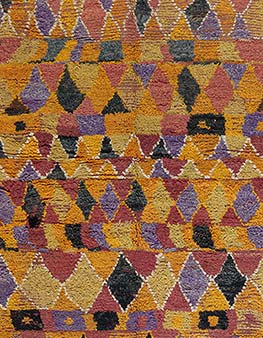
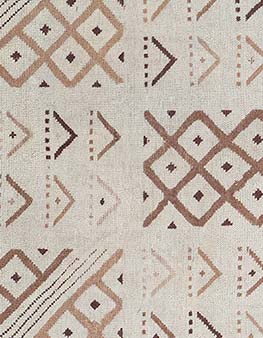
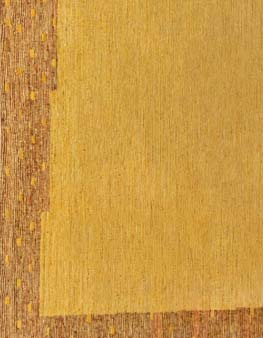
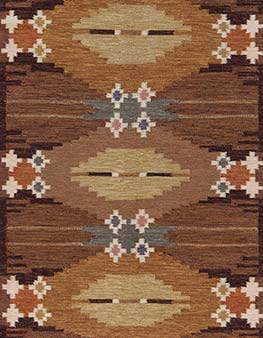
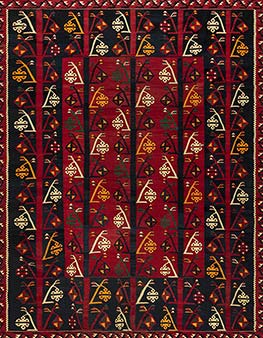
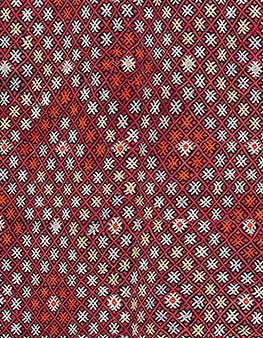
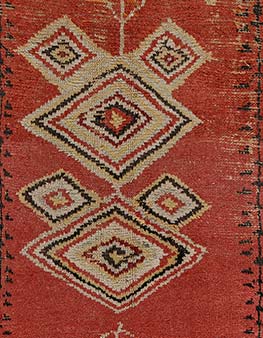
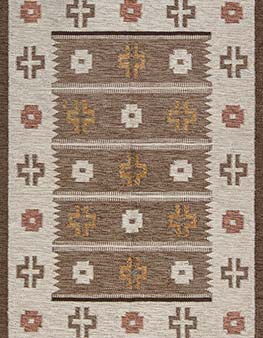
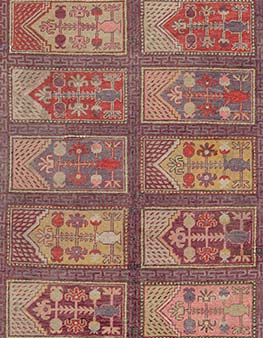
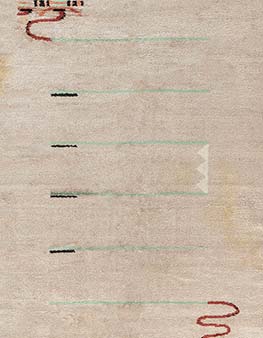
Vintage tribal rugs appeal to designers and collectors who want more than surface pattern. Their strength comes from handwoven structure, regional design language, tactile wool, and the irregularities that make an older carpet feel alive in a carefully composed room. In the Doris Leslie Blau tribal collection, buyers will find Moroccan geometric rugs, Scandinavian flatweaves, Turkish and Afghan-influenced designs, Chinese and Khotan carpets, hooked rugs, and mid-century pieces whose abstract motifs work beautifully in both modern and traditional interiors.
What Defines a Tribal Rug
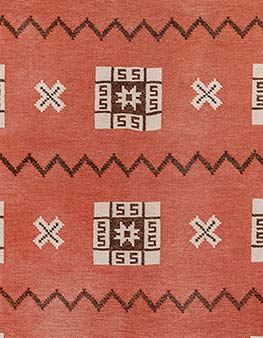
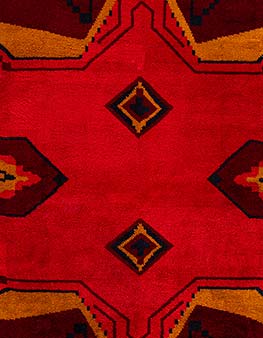
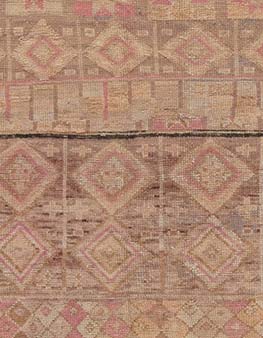
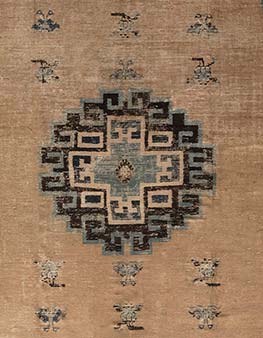
A tribal rug is typically associated with weaving traditions outside formal court or city workshop production, though the category can also include vintage rugs inspired by tribal motifs. Instead of strictly symmetrical floral medallions, these carpets often use diamonds, stripes, stepped forms, abstract animals, small repeat symbols, or bold negative space. Some are hand-knotted wool rugs with pile; others are flatweaves with a leaner profile and crisp graphic impact. Their appeal is not only decorative. The best examples reveal decisions made at the loom: changes in scale, shifts in color, hand-spun texture, and the disciplined freedom of geometric design.
- Confirm age and origin, especially when comparing vintage and antique tribal rugs.
- Review construction: hand-knotted pile, flatweave, hooked, wool, cotton, or mixed fibers.
- Match scale to the room, from narrow runners to oversized area rugs.
- Study palette carefully; abrashed neutrals, brick reds, ivory, gray, and warm tan age differently.
- Use geometric rugs to add structure without competing with art, upholstery, or architecture.
Design Value for Luxury Interiors
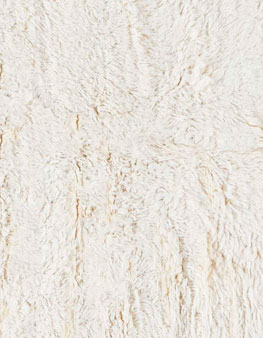
For interior designers, vintage tribal rugs are especially useful because they balance character with restraint. A Moroccan Beni Ourain-style carpet can soften a contemporary living room with ivory wool and quiet geometry, while a Swedish tribal flatweave may suit a tailored library, gallery-like apartment, or layered bedroom. Longer Moroccan and Turkish pieces can act as runners or narrow room anchors, and larger tribal carpets bring warmth to open-plan seating areas. Their patterns often read as abstract art from a distance, then reveal handwork, patina, and material depth up close.
Choosing Vintage, Antique, or Custom Tribal Rugs
Buyers comparing vintage and antique rugs should pay close attention to terminology. Antique rugs are typically 100+ years old, while many tribal rugs on this page are vintage or mid-century pieces selected for design quality, craftsmanship, and interior relevance. Condition, repairs, pile height, selvages, dyes, and foundation materials all influence suitability. A tribal carpet for a heavily used family room may require a different weave and palette than one chosen for a formal salon, collector’s study, or boutique hospitality project.
Doris Leslie Blau has sourced rugs directly from estates, auctions, dealers, and private collections since 1965, which gives this category a curatorial perspective beyond trend-driven decorating. Each listing allows buyers to evaluate size, material, construction, dominant color, and visible product details before inquiry. When a vintage tribal rug provides the right inspiration but not the exact dimensions, a custom made rug or made-to-order interpretation may be appropriate for projects requiring a precise scale, calmer palette, or coordinated suite of area rugs and runners. The result is a category that serves both one-of-a-kind collecting and serious interior design planning.