
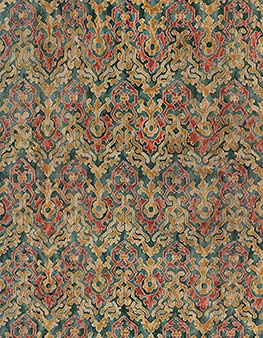
Wool Vintage Rugs
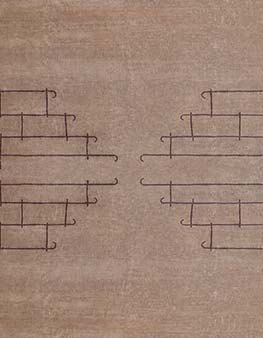
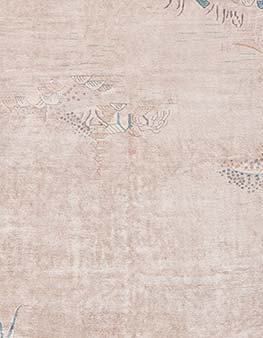
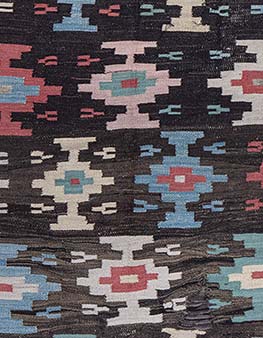
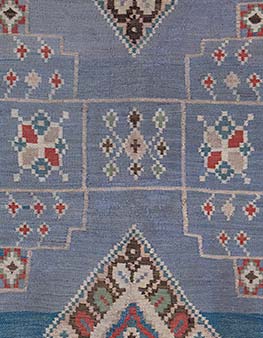
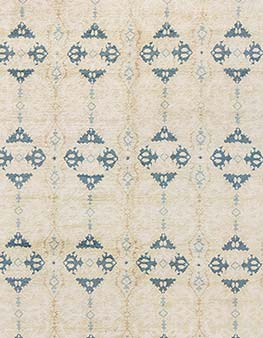
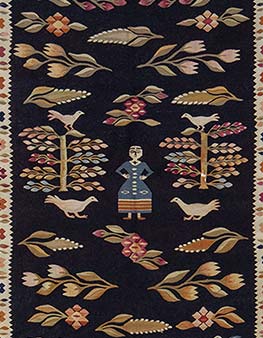
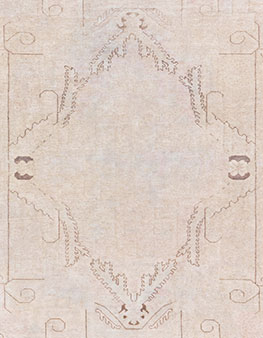
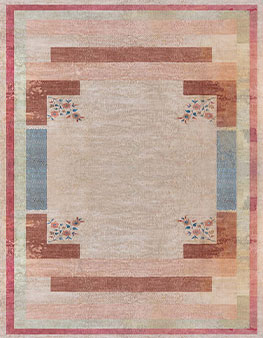
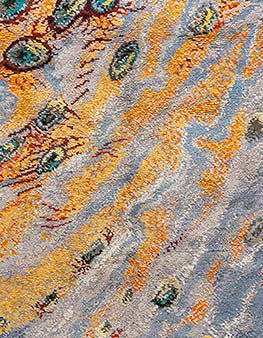
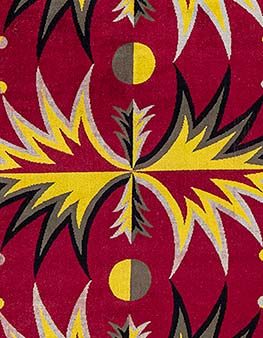
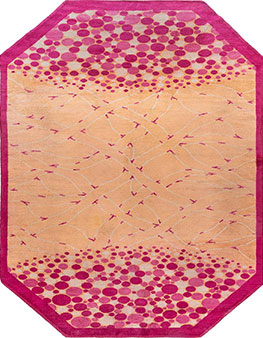
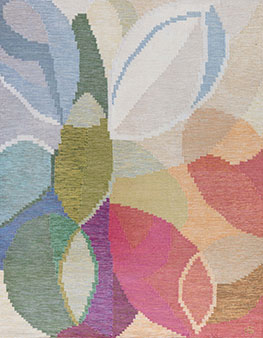
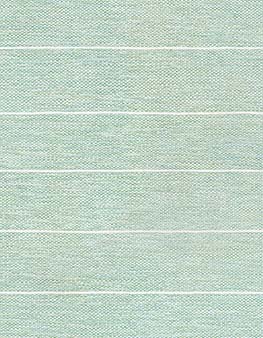
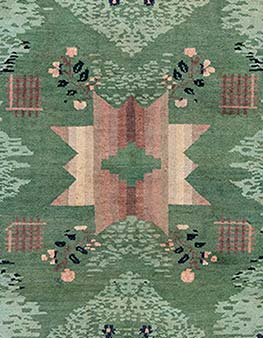
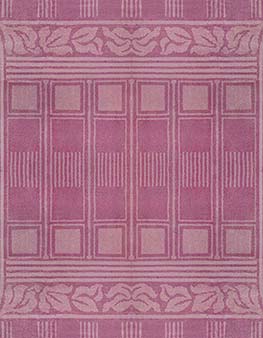
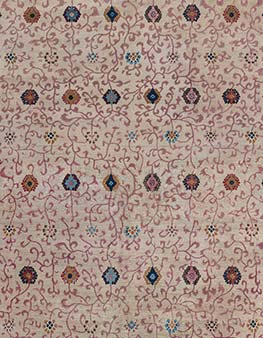
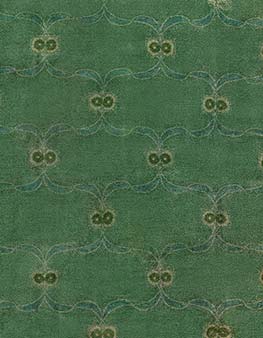
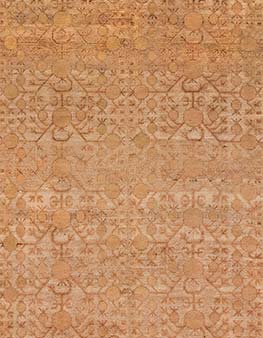
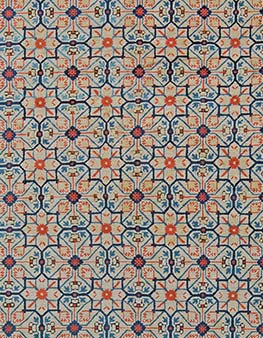
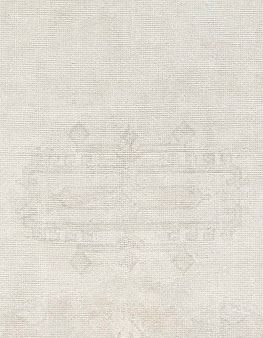
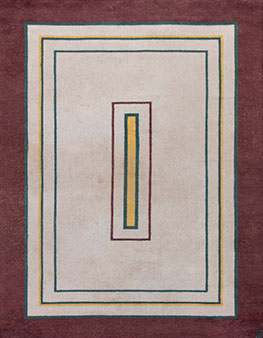
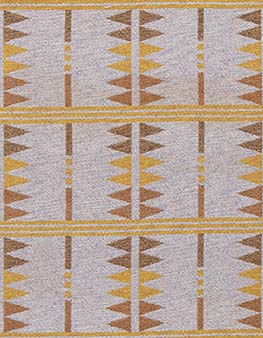
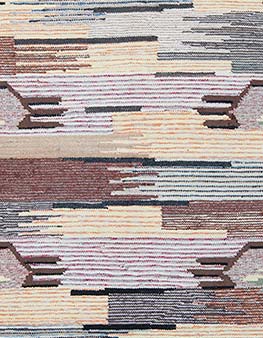
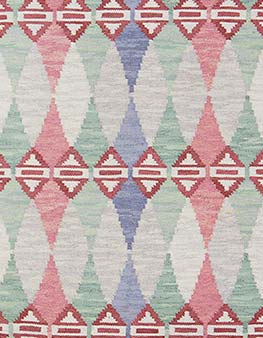
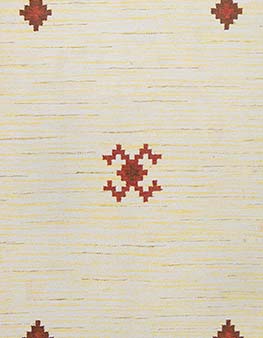
Wool vintage rugs bring substance, texture, and design history into refined interiors without feeling fragile or purely collectible. This category focuses on vintage wool carpets and flatweaves with strong decorative value: Swedish and Scandinavian geometric rugs, French Art Deco carpets, Moroccan tribal pieces, Samarkand designs, Chinese Art Deco rugs, Irish Arts & Crafts carpets, and other distinctive works suited to living rooms, dining rooms, libraries, bedrooms, galleries, and layered contemporary spaces. For interior designers and collectors, wool offers an especially useful balance of tactile depth, resilience, and visual warmth.
Why Wool Matters in Vintage Rug Design
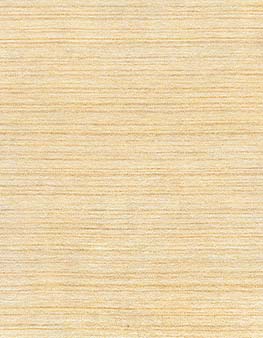
Wool has been central to many of the most desirable handwoven rugs because it accepts dye beautifully, wears well, and develops a pleasing surface character over time. In vintage rugs, the material can reveal a great deal about quality: the density of the pile, the clarity of the weave, the handle of a flatweave, and the way colors have softened with age. A hand-knotted wool rug may provide plushness and pattern definition, while a vintage wool flatweave can deliver a lighter architectural effect with crisp geometry and understated texture.
- Review origin, period, and design style before comparing similar rugs.
- Confirm size, including whether the rug suits seating, dining, or corridor placement.
- Evaluate wool pile, flatweave structure, repairs, and overall condition.
- Consider palette in daylight and evening lighting, especially pale neutrals and saturated tones.
- Match pattern scale to the room, furniture plan, and surrounding artwork.
Doris Leslie Blau has sourced rugs from estates, auctions, dealers, and private collections since 1965, a history that supports a highly edited approach to vintage and antique carpets. In this wool vintage rug selection, buyers can compare visible pricing, sizes, colors, and construction details across decorative categories rather than searching through generic area rugs. The result is a more practical way to evaluate pieces for luxury interiors where proportion, provenance, and condition matter as much as color or pattern.
Styles for Luxury Interiors
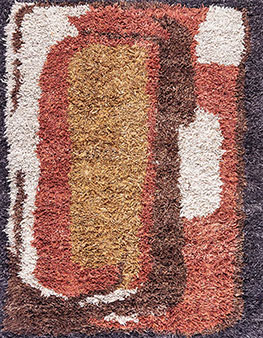
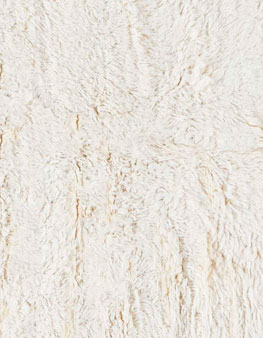
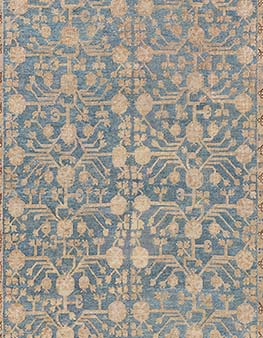
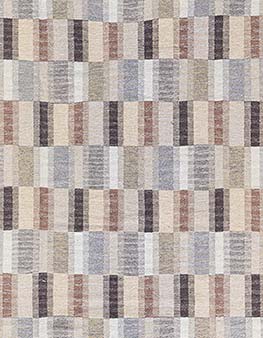
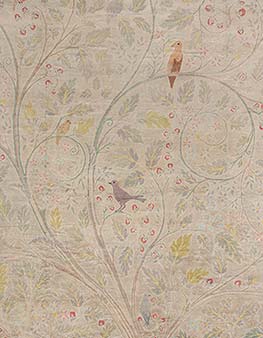
The strength of this category is its range. Scandinavian and Swedish wool rugs often suit modern architecture, clean-lined furniture, and tonal rooms where geometry adds quiet structure. French Art Deco and Viennese designs can introduce refined florals, abstract motifs, or period sophistication. Moroccan wool rugs bring high-pile texture and tribal rhythm, while Samarkand and Chinese Art Deco carpets can add unusual color, symbolic motifs, and a cosmopolitan decorative language. Oversized wool carpets help anchor open-plan residences, while runners and smaller area rugs solve specific circulation and furnishing needs.
Choosing a Vintage Wool Rug
When selecting wool vintage rugs for sale, start with function: a dining room may require a flatter surface and generous chair clearance, while a living room can support deeper pile or a more expressive pattern. Designers often look for one of two effects: a rug that quietly integrates with wood, stone, upholstery, and art, or a rare decorative rug that becomes the room’s central design statement. Both approaches can work when scale, palette, and weave are considered together.
Because vintage rugs are existing works, each piece should be considered individually rather than as a standard product. Age, origin, maker attribution when known, wear, restorations, fiber quality, and design rarity all influence value and suitability. For rooms that require a precise size, a coordinated palette, or multiple related pieces, Doris Leslie Blau’s custom made and made-to-order rug capabilities can complement the vintage inventory while preserving the quality expectations of high-end interiors.