

Hand-Knotted Vintage Rugs
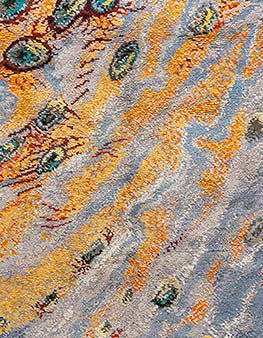
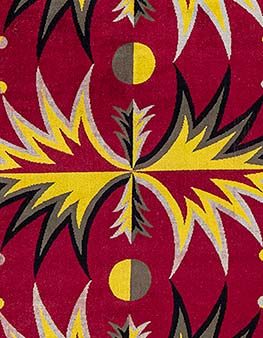
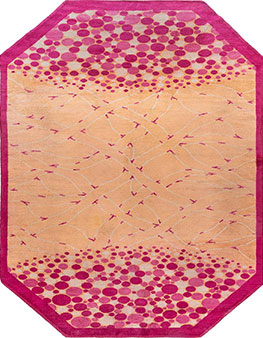
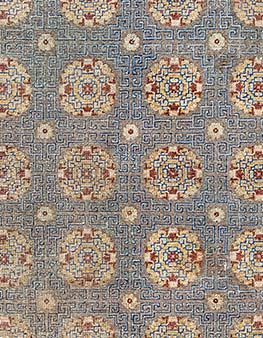
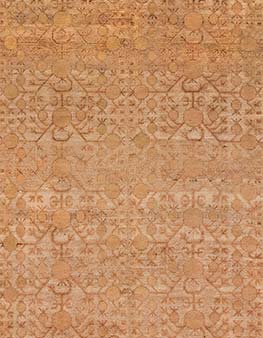
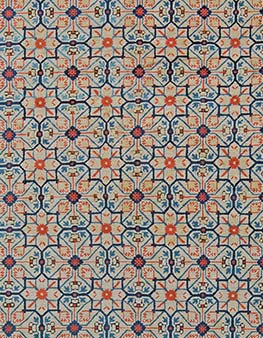
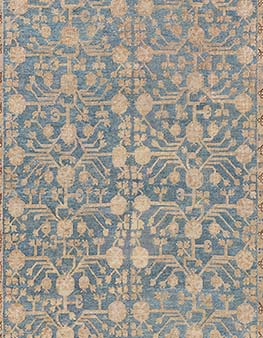
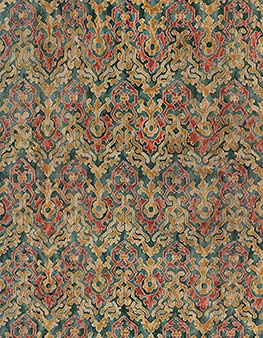
Hand-knotted vintage rugs offer a rare combination of age, craftsmanship and decorative range. Unlike machine-made floor coverings, each hand-knotted rug is built knot by knot on a foundation, giving the surface depth, texture and individuality that interior designers can read immediately in a room. This Doris Leslie Blau collection brings together vintage wool rugs, silk rugs and natural-fiber carpets from important design traditions, including Art Deco, Swedish, Moroccan, Chinese, Samarkand, Viennese, Spanish and Arts & Crafts examples. Many pieces carry the relaxed patina and nuanced palettes that make vintage rugs especially useful in refined contemporary interiors.
Why hand-knotted construction matters
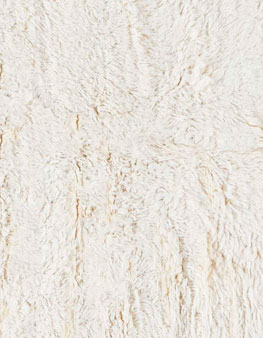
A hand-knotted vintage carpet is valued not only for pattern, but also for structure. The weave affects durability, handle, pile, clarity of drawing and how the rug settles under furniture. Wool remains the most versatile material for living rooms, dining rooms, libraries and bedrooms, while silk can add a more luminous surface in lower-traffic spaces or formal settings. In well-chosen pieces, softened color, abrash, gentle wear and subtle irregularity are not flaws; they are part of the visual character that separates authentic vintage rugs from reproductions with artificially aged finishes.
- Review origin, period, material and construction before comparing style alone.
- Match scale to the furniture plan, not just the room dimensions.
- Use abstract, geometric or tribal designs to add movement to quiet interiors.
- Choose floral, Art Deco or Arts & Crafts carpets for stronger decorative architecture.
- Consider pile height, condition and traffic level for daily use.
Styles, origins and interior applications
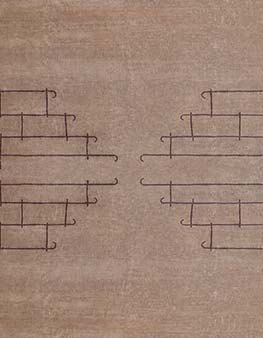
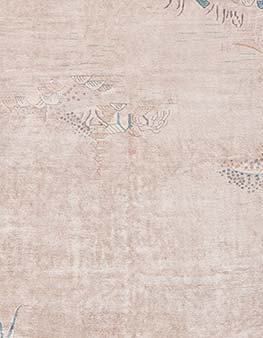
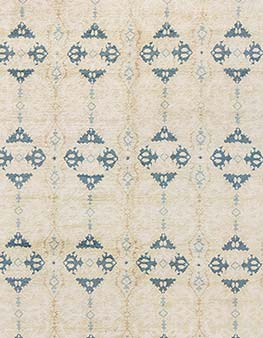
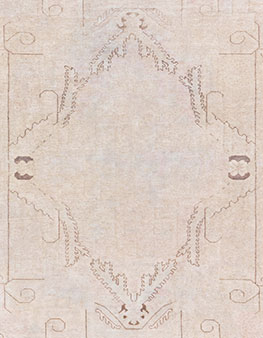
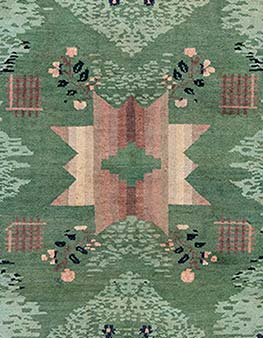
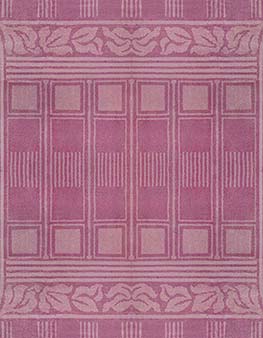
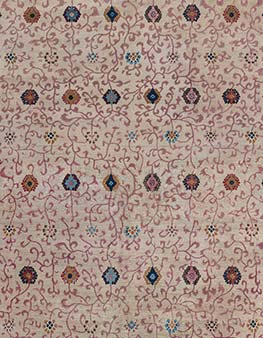
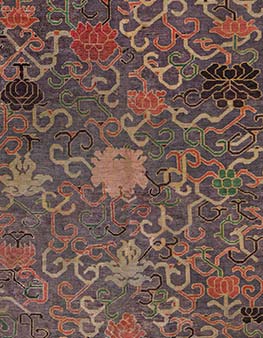
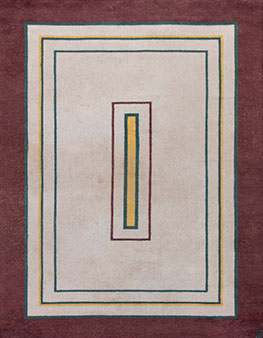
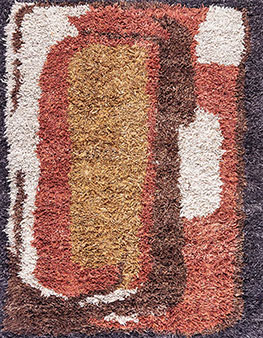
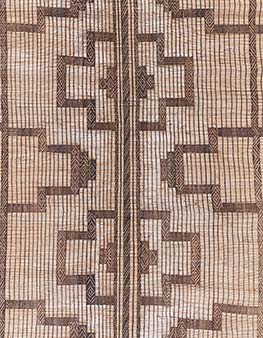
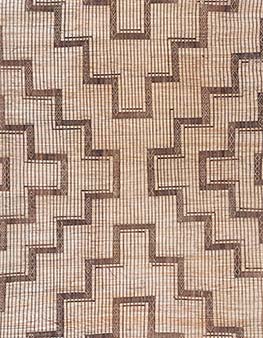
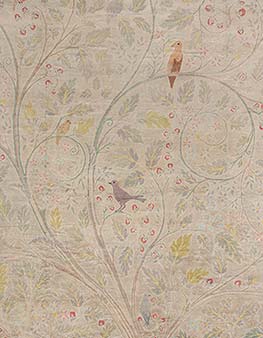
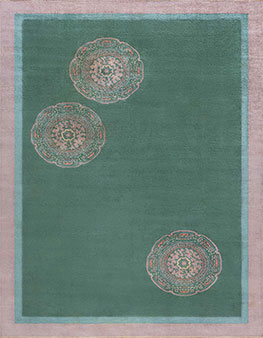
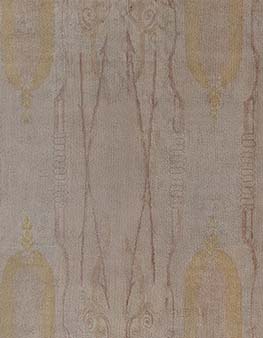
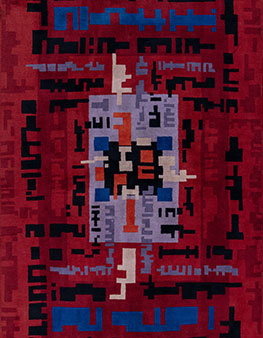
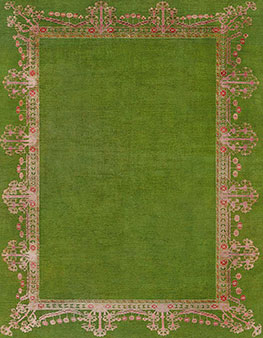
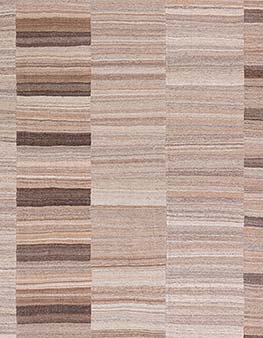
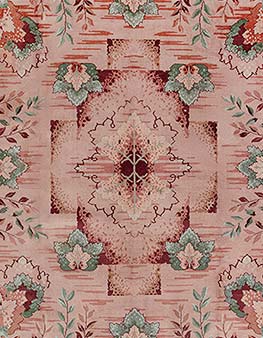
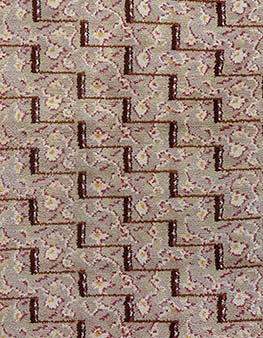
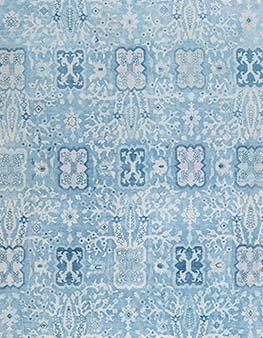
The category is intentionally broad because vintage hand-knotted rugs serve many design needs. A Swedish mid-century carpet may bring restraint, open field composition and cool color to a modern apartment. A Moroccan or Tuareg-inspired piece can add texture, graphic rhythm and scale to a loft, gallery-like living room or casual family space. Chinese Art Deco rugs often introduce unusual color combinations, stylized florals and open compositions, while French, Viennese and Irish Arts & Crafts carpets can anchor more architectural rooms with historical design references. For collectors and decorators, these differences matter because the best vintage rugs do more than cover a floor; they establish proportion, mood and a point of view.
Choosing vintage rugs with confidence
Serious buyers should evaluate condition, age, origin, dimensions, palette and weave together. Vintage rugs are generally younger than antique rugs, while antique rugs are typically 100+ years old; however, both can appear in sophisticated interiors when selected with care. Doris Leslie Blau has sourced rugs directly from estates, auctions, dealers and private collections since 1965, which gives clients access to pieces chosen for design merit as well as decorative usability. Product listings show visible pricing and dimensions, allowing interior designers, collectors and homeowners to compare room-size carpets, oversized rugs, runners and smaller accent pieces efficiently.
For projects requiring a specific scale, palette or repeat, vintage pieces can also inform custom made and made-to-order rug planning. A designer may use the spirit of a vintage Art Deco, Swedish or Moroccan carpet as a point of departure while choosing new dimensions or colors for a particular room. When an original rug is the right fit, it brings texture, provenance and character that cannot be duplicated exactly. When a project demands precision, custom sizing can help translate the design language of hand-knotted rugs into a tailored interior solution.