


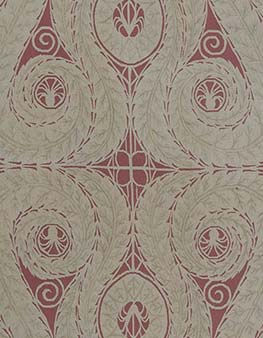
Art Nouveau Rugs
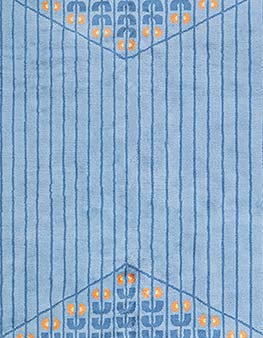
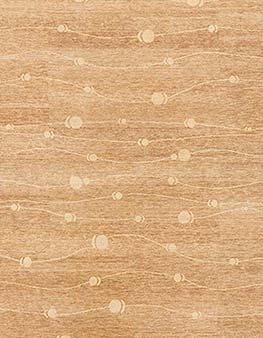
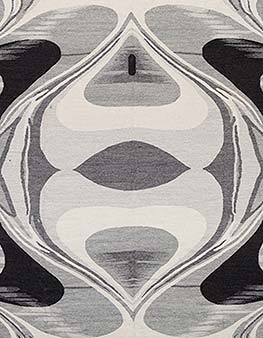
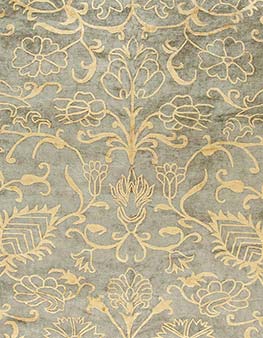
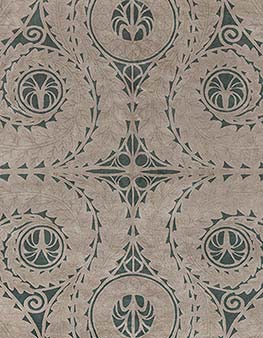
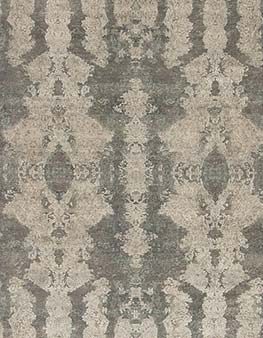
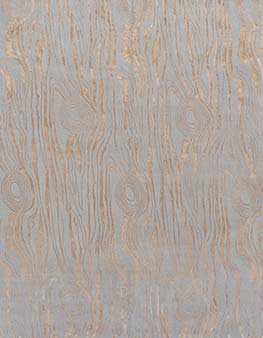
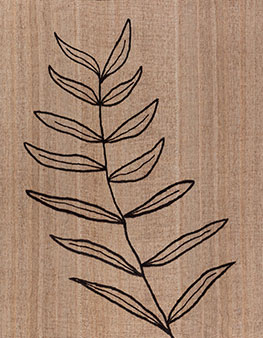
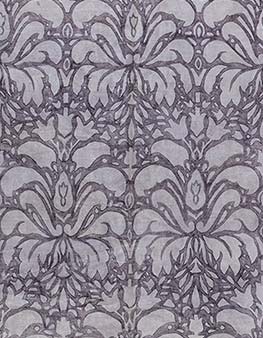
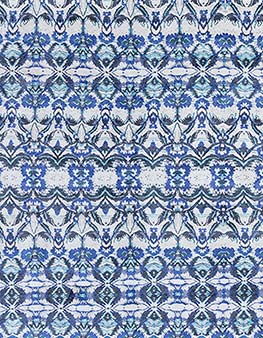
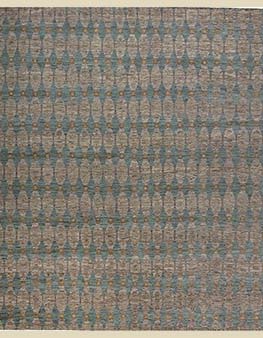
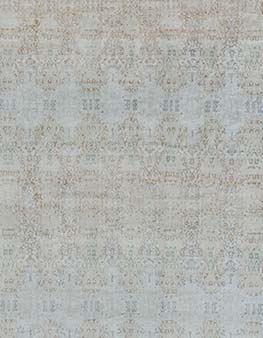
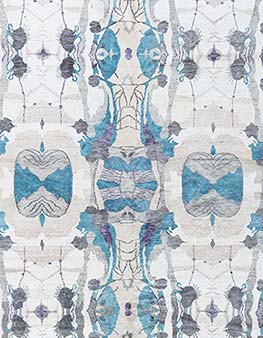
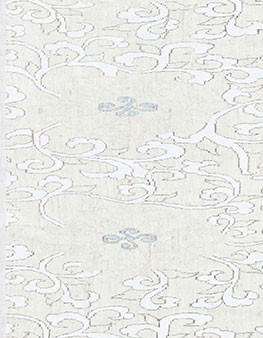
Art Nouveau rugs bring one of the most recognizable design languages of the late nineteenth and early twentieth centuries into rooms planned for contemporary living. Instead of rigid symmetry alone, the style favors botanical movement, sinuous line, whiplash curves, stylized flowers, spirals, tendrils, and softened geometric structure. In this Doris Leslie Blau category, the focus is on new and contemporary Art Nouveau-inspired rugs: handmade pieces that interpret historic decorative arts through refined palettes, large-scale layouts, and materials suited to luxury interiors.
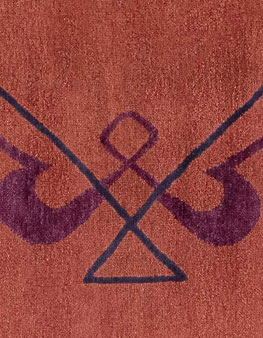
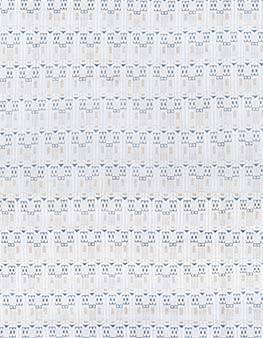
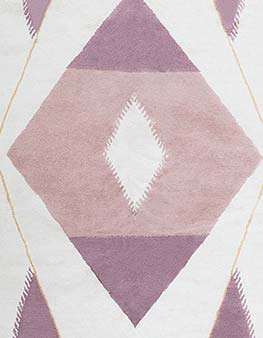
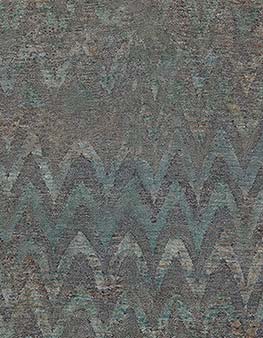
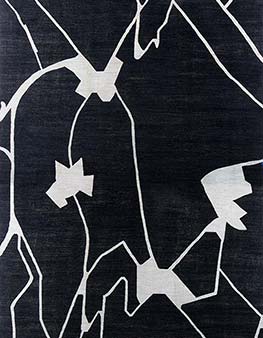
For interior designers, architects, and collectors of decorative design, these rugs offer a sophisticated alternative to purely traditional Persian rugs or minimal modern carpets. A modern Art Nouveau rug can connect classical architecture with contemporary furniture, add pattern to a neutral room without becoming ornate, or introduce color through controlled shades of warm tan, light beige, slate gray, taupe, dusty rose, blue, green, charcoal, or brick red. The result is decorative but disciplined: a rug with visual movement, not visual clutter.
Handmade Construction, Materials, and Design Character
The strongest Art Nouveau rugs are judged by more than motif. Construction, fiber, scale, and execution determine how the design lives in a room. Hand-knotted wool rugs provide durability, texture, and depth of color, while silk or wool-and-silk compositions can sharpen linework and add a quiet sheen. Flatweave options suit lighter rooms, layered interiors, corridors, or spaces where a lower profile is preferred. In oversized carpets, the pattern must be especially well balanced so that vines, abstract florals, and geometric curves read gracefully across the floor plane.
How to Select an Art Nouveau Rug
Because Art Nouveau design is inherently expressive, selection should begin with the room’s architecture and furnishings. A floral or arabesque rug may soften a tailored living room, while a geometric Art Nouveau composition can support modern seating, stone, plaster, metal, and wood finishes. In a dining room, consider whether the pattern remains legible beneath the table. In a gallery-like bedroom, a pale wool or silk rug can add atmosphere without overpowering art, lighting, or upholstery.
- Confirm the exact rug size against furniture placement and circulation paths.
- Compare wool, silk, wool-and-silk, hemp, and flatweave textures for practical use.
- Look for balanced floral, vine, spiral, or geometric movement at room scale.
- Choose palettes that complement wall color, upholstery, millwork, and metal finishes.
- Use runners or small rugs where Art Nouveau detail can be appreciated up close.
- Consider custom made rugs when the room requires exact dimensions.
Modern Art Nouveau Rugs for Luxury Interiors
Doris Leslie Blau has sourced and presented exceptional rugs since 1965, and that experience informs the way contemporary categories are curated. The gallery’s broader expertise in antique rugs, vintage rugs, Persian rugs, Oriental rugs, European carpets, rare decorative rugs, oversized rugs, and runners is relevant here because Art Nouveau is a style rooted in historic craftsmanship but highly adaptable to present-day interiors. These new rugs are selected for design clarity, handmade quality, scale, and decorative usefulness.
Buyers comparing handmade rugs in this category can evaluate visible product information, including dimensions, materials, construction, dominant palette, and design type. That transparency is important when choosing between a room-size carpet, an oversized statement piece, a runner, or a square rug for a specific layout. For projects that require a precise footprint, Doris Leslie Blau can also support made-to-order rugs inspired by Art Nouveau motifs, allowing designers to adapt scale, color, and proportion while retaining the organic character that defines the style.