

Tabriz Rugs
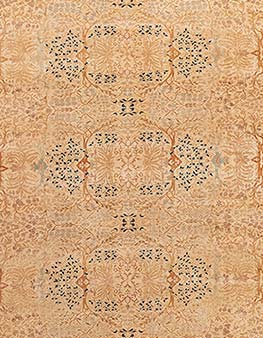
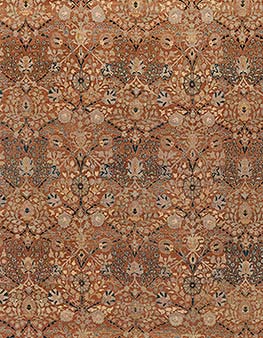
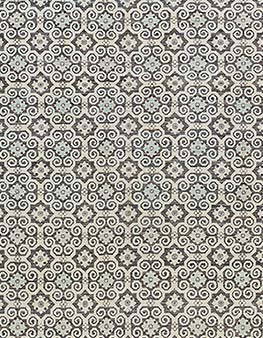
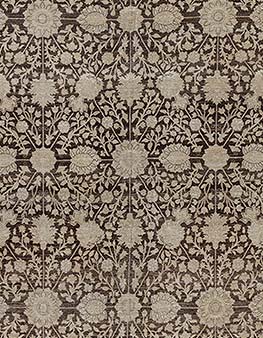
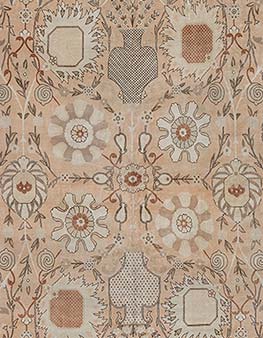
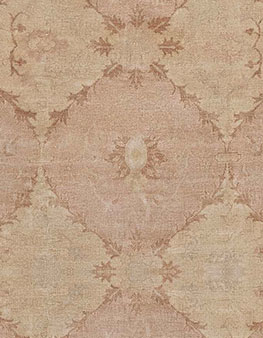
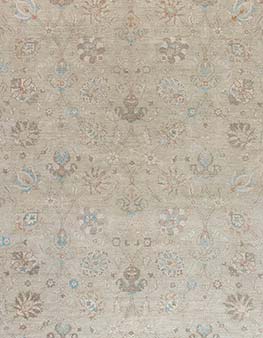
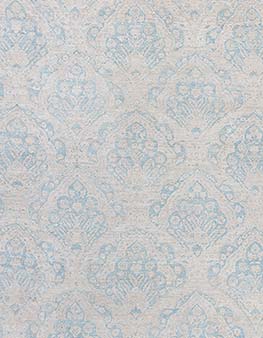
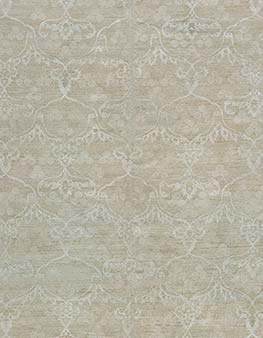
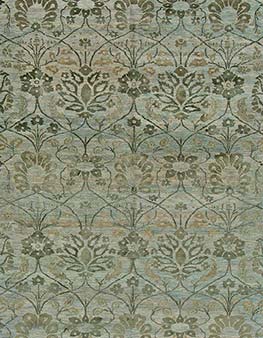
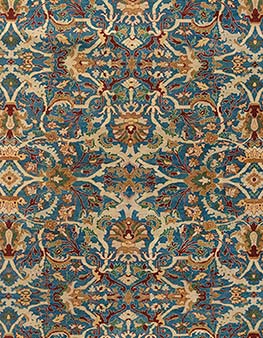
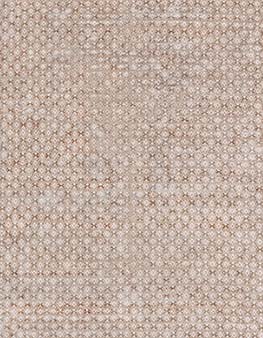
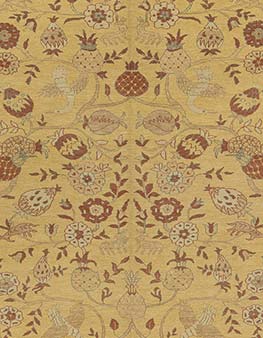
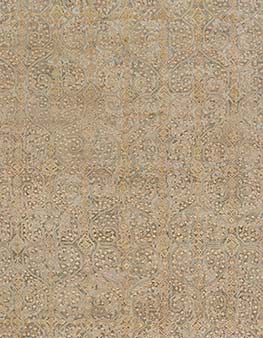
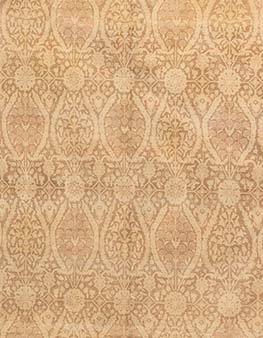
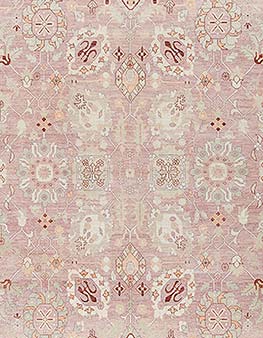
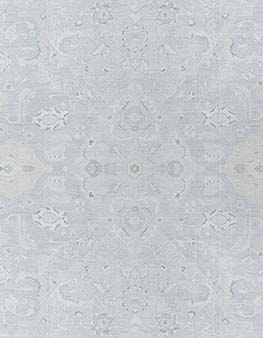
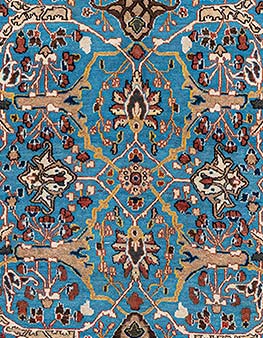
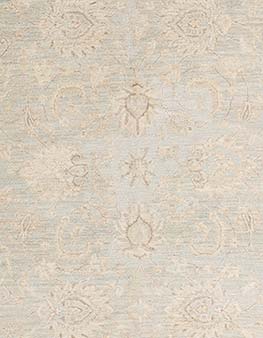
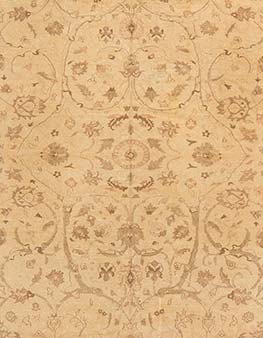
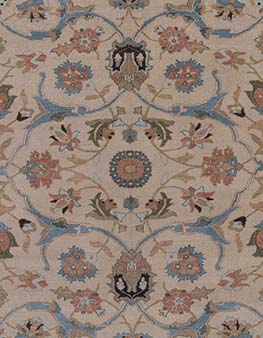
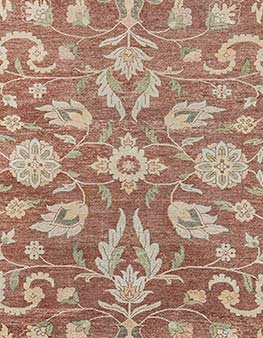
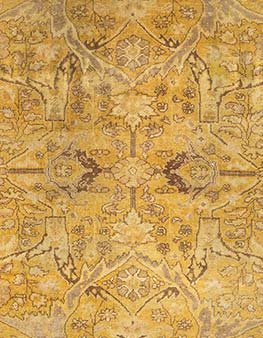
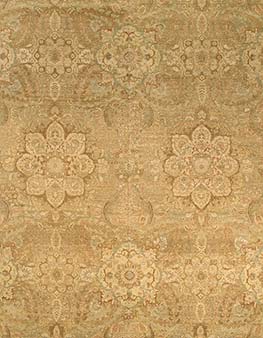
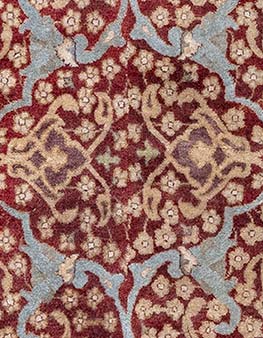
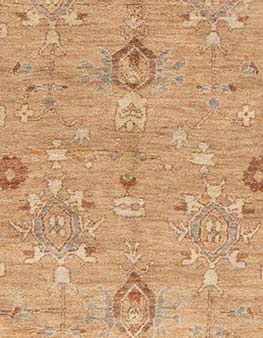
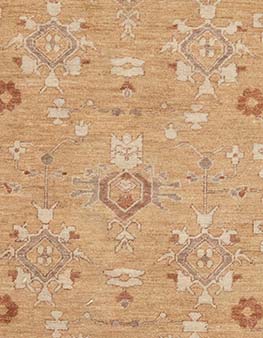
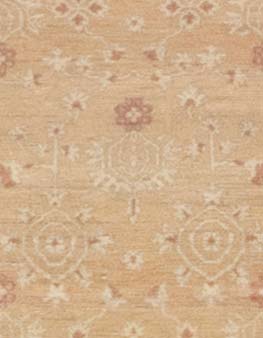
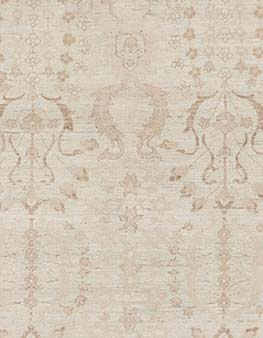
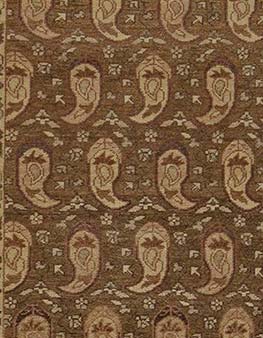
Tabriz rugs are admired for their precise drawing, graceful floral ornament, and polished relationship between pattern and scale. This Doris Leslie Blau category focuses on new Tabriz-style rugs: handmade and hand-knotted carpets inspired by Persian design language, adapted for today’s interiors in softer palettes, larger formats, and decorator-friendly proportions. The selection includes medallion rugs, allover floral compositions, arabesque borders, runners, room-size carpets, and oversized rugs suited to formal living rooms, dining rooms, primary bedrooms, galleries, and layered interior schemes.
What defines a Tabriz-style rug
Historic Tabriz weaving is associated with refined Persian workshop carpets, often featuring central medallions, palmettes, botanical scrolls, cartouches, lattice fields, and carefully balanced borders. In a new Tabriz rug, those classical references can be reinterpreted with lighter grounds, reduced contrast, contemporary color editing, or more spacious drawing. Buyers often choose these rugs when they want the structure and sophistication of a Persian rug without the fragility, rarity, or availability constraints that can come with true antique carpets, which are typically 100+ years old.
Materials matter. A wool Tabriz rug offers resilience, texture, and a warm surface underfoot, while silk or wool-and-silk designs can bring sharper detail and a more luminous finish. Hand-knotted construction is especially valuable for intricate floral and medallion patterns because it allows the design to remain legible across large dimensions. Flatweave and handmade interpretations may be appropriate for more relaxed rooms, but collectors and designers often look closely at knotting, pile quality, finishing, and how the pattern reads from both close range and across the room.
Choosing scale, color and weave
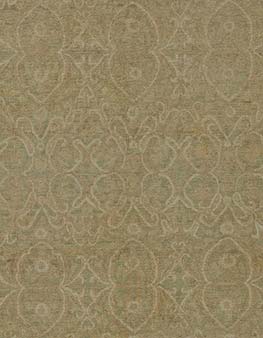
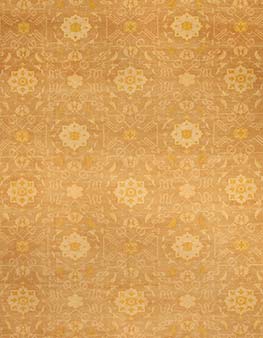
The strongest Tabriz rug for a project is not simply the most decorative one; it is the piece whose proportions, palette, and field organization support the architecture of the room. A large medallion can anchor a seating plan or dining table, while an allover floral design may feel calmer beneath furniture. Pale sand, taupe, gray, cream, blue, and warm tan palettes work well in luxury interiors because they bring Persian ornament into a quieter decorative register.
- Measure the room and furniture plan before comparing rug sizes.
- Use oversized Tabriz rugs for open seating areas or formal dining rooms.
- Choose runners for corridors, stair halls, libraries, and long transitions.
- Consider silk for refined detail and wool for durability and softness.
- Review border width, medallion placement, and negative space carefully.
New, antique-inspired and custom possibilities
Doris Leslie Blau has sourced rugs through estates, auctions, dealers, and private collections since 1965, giving the gallery a deep understanding of antique Persian carpets and their decorative value. That expertise also informs the new rug categories: the best contemporary Tabriz-style carpets are not generic reproductions, but thoughtful interpretations of Persian drawing, color, and craftsmanship. Product listings allow buyers to compare dimensions, materials, design type, and visible pricing before making a selection.
For designers and homeowners working with exact room plans, custom made Tabriz rugs can be an important alternative to standard inventory. A made-to-order rug may refine the ground color, adjust the border, expand the scale, or adapt the weave and materials to suit a particular interior. Whether the goal is a formal Persian-style area rug, a quiet floral carpet for a bedroom, or an oversized hand-knotted rug for a grand salon, this category offers a focused way to source luxury Tabriz rugs with design flexibility and serious decorative presence.