


Cotton Antique Rugs
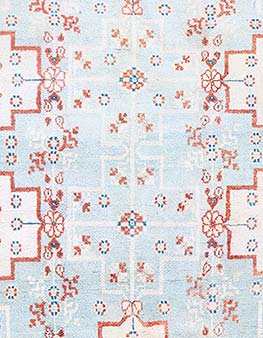
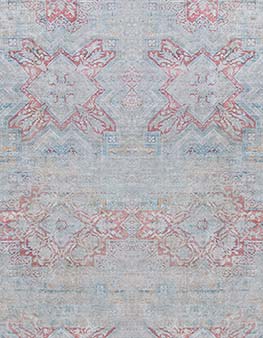
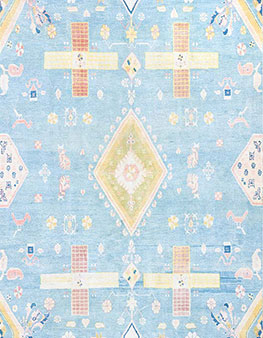
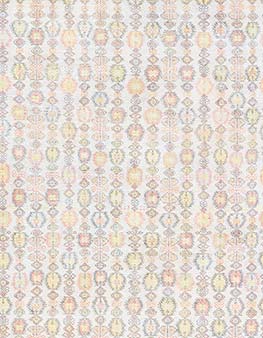
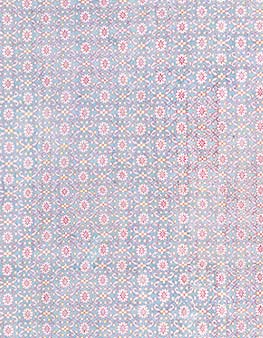
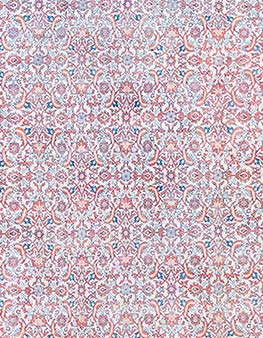
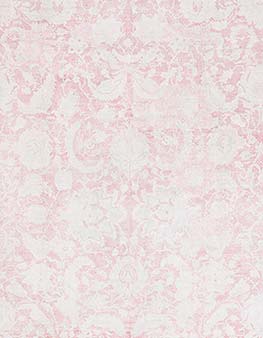
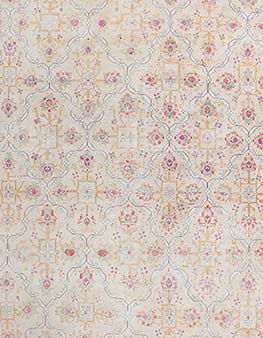
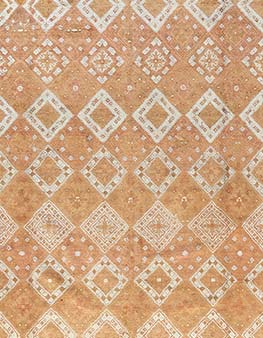
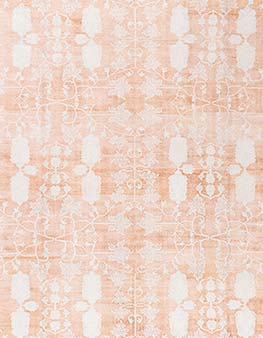
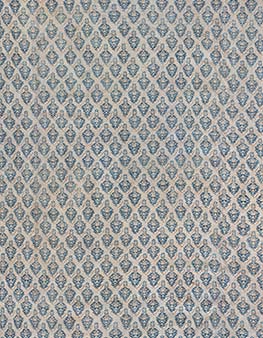
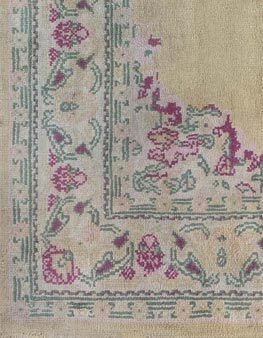
Cotton antique rugs occupy a refined place within the world of decorative carpets: lighter in handle than many dense wool pieces, often luminous in color, and especially useful where a room calls for pattern without visual heaviness. This Doris Leslie Blau category focuses on hand-knotted cotton and wool-cotton antique rugs, with a strong representation of Agra and Indian carpets from the early twentieth century. Buyers will find pale gray, ivory, soft beige, blush, light blue, tan, and more unusual tones, many designed with allover floral or geometric fields that suit both historic architecture and contemporary interiors.
Why cotton matters in antique carpets
In antique rug construction, cotton may appear as foundation, pile material, or part of a mixed-fiber structure. It can give a carpet a crisp drawing, a supple drape, and a different surface character from heavier wool rugs or high-sheen silk rugs. The examples in this collection are selected for decorative strength as much as material interest: scale, condition, palette, weave, and design clarity all matter. A cotton antique carpet with a softened field can quiet a formal dining room, while a geometric Agra rug can introduce structure into a library, gallery-like living space, or tailored bedroom.
Because antique rugs are typically understood in the market as pieces around 100 years old or older, buyers should evaluate each rug by its listed circa date as well as its origin and construction. Early twentieth-century Indian carpets can be particularly desirable for decorators because they combine workshop discipline with palettes that feel highly compatible with today’s luxury interiors. Doris Leslie Blau has sourced antique rugs from estates, auctions, dealers, and private collections since 1965, and that perspective helps distinguish rugs with lasting design value from merely old floor coverings.
How to choose a cotton antique rug
The right selection depends on more than width and length. A large allover carpet can visually expand a room by avoiding a central medallion, while a medallion design may anchor a seating plan or formal room. Oversized cotton antique rugs are especially valuable when a space needs a single continuous field under furniture rather than several smaller area rugs. Runners and narrow formats, when available, can soften corridors and transitional spaces without competing with architecture, art, or upholstery.
- Review the circa date, origin, and material notes on each listing.
- Compare palette against flooring, wall color, upholstery, and natural light.
- Choose allover patterns for flexible furniture placement.
- Use medallion designs where symmetry and room centering matter.
- Check condition, pile character, and scale before final placement decisions.
Decorative value for luxury interiors
Cotton antique rugs can be particularly compelling in interiors that require subtle color and a cultivated surface. Many Agra and Indian examples translate Persian and Oriental carpet vocabulary into softer decorative language: floral vines, repeating motifs, balanced borders, and generous open color. Their patina is not a flaw to disguise but a design asset when it is consistent with the rug’s age, weave, and intended use. For interior designers, these rugs offer a way to add history and craftsmanship without overpowering modern furniture, plaster walls, stone floors, or minimalist architecture.
Every product page supports serious buying decisions with visible pricing, exact dimensions, material information, dominant color, design notes, and photography. If an antique cotton rug has the right spirit but not the required size, Doris Leslie Blau can also discuss modern custom made and made-to-order rug options inspired by antique scale, palette, or pattern language. The antique piece remains unique; the custom route is a practical alternative for projects requiring precise dimensions, multiple rooms, or a controlled color story.