




Bessarabian Antique Rugs
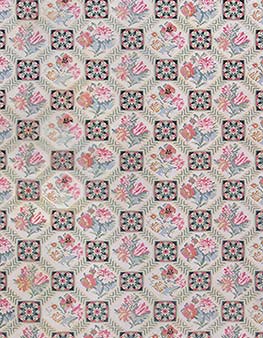
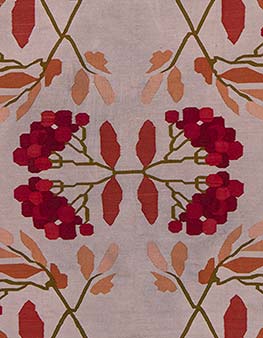
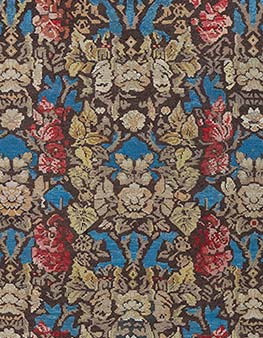
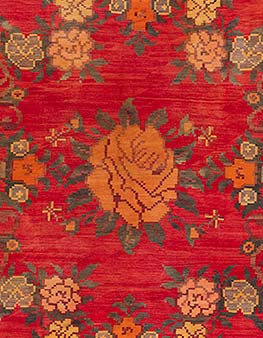
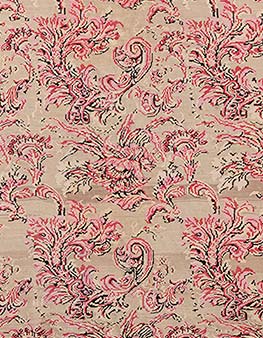
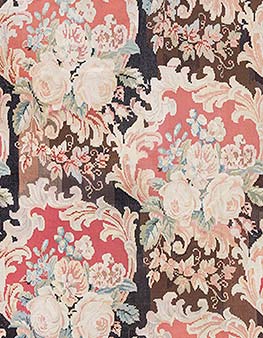
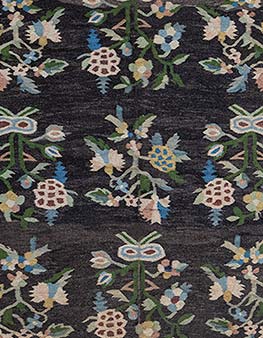
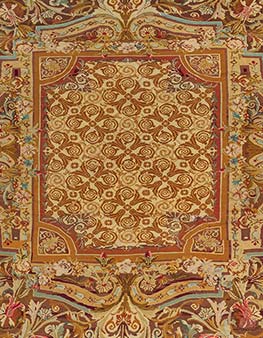
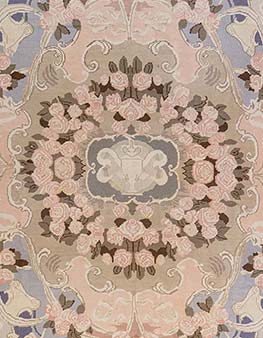
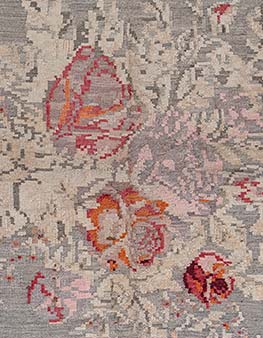
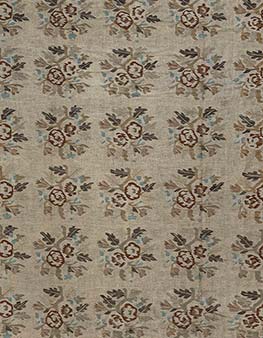
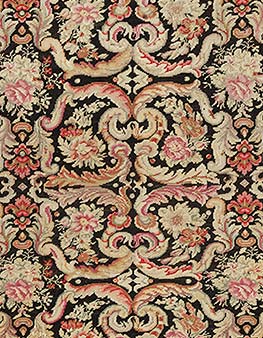
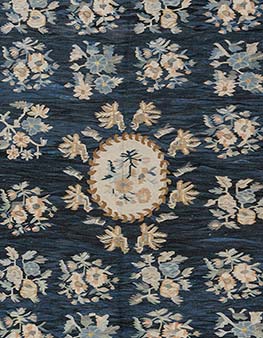
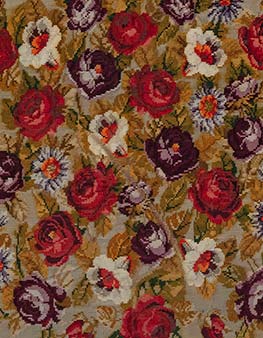
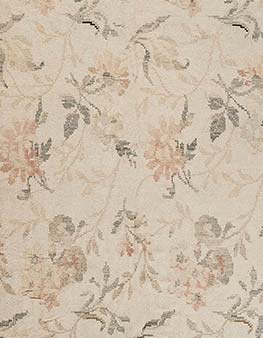
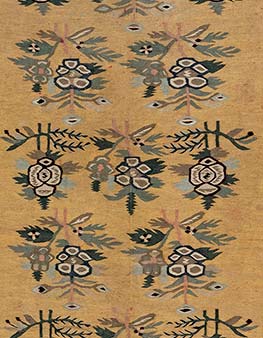
Bessarabian antique rugs occupy a distinctive place between European decorative carpets, Russian folk-influenced design, and the practical elegance of flatwoven wool rugs. Traditionally associated with the historic Bessarabia region, including areas of present-day Moldova and Ukraine, these carpets are admired for large floral arrangements, restrained geometric borders, tapestry-like surfaces, and palettes that work easily in sophisticated interiors. In this Doris Leslie Blau selection, buyers will find Russian and Ukrainian Bessarabian rugs in room sizes, oversized formats, smaller carpets, and runners, with listings that identify circa date, dimensions, construction, materials, and color character.
Russian and Ukrainian Decorative Character
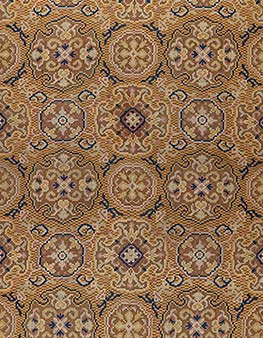
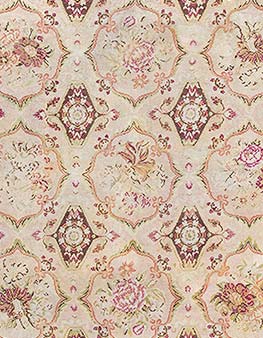
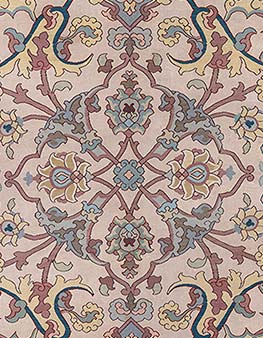
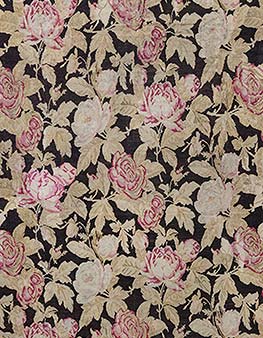
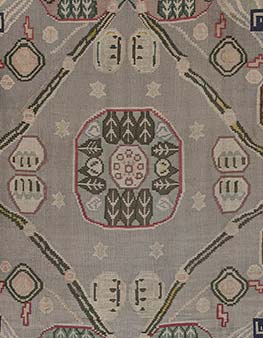
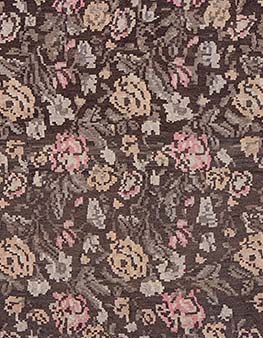
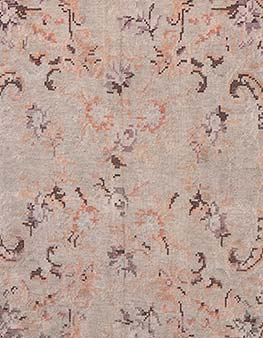
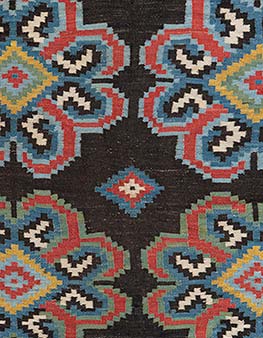
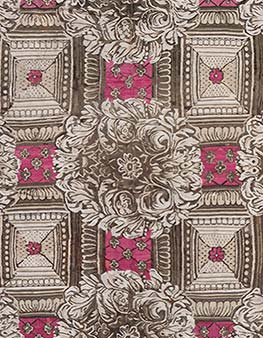
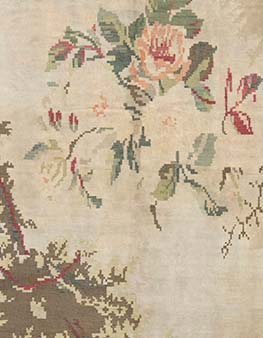
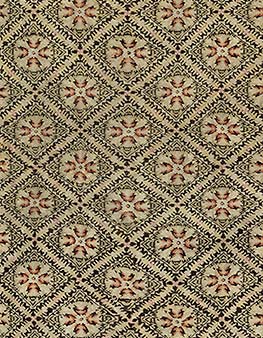
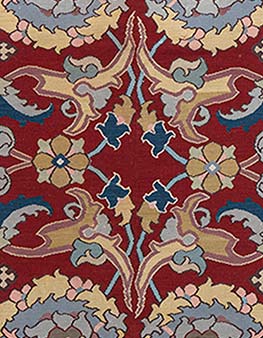
Unlike many Persian rugs or Oriental rugs built around dense medallions and high pile, many Bessarabian pieces are flatweaves, giving them a lighter architectural profile and a crisp relationship to furniture. Floral allover designs in ivory, beige, tan, brown, crimson, dusty pink, yellow, and gray can read formal or relaxed depending on the room. The best examples balance bold drawing with an understated surface, which is why interior designers often use Bessarabian carpets in dining rooms, libraries, galleries, bedrooms, and layered living spaces where pattern must enrich the architecture without overwhelming it.
Antique rugs are typically 100+ years old, and Bessarabian examples from the late nineteenth and early twentieth centuries are especially valued for their handwork, wool quality, patina, and decorative versatility. Some pieces are hand-knotted while others are flatwoven wool rugs, so construction should be considered alongside age and condition. A soft antique surface, carefully aged color, or slight irregularity in drawing can be part of the appeal, particularly for collectors and decorators seeking a carpet with evidence of human making rather than machine uniformity.
How to Select a Bessarabian Rug
Choosing a Bessarabian rug is both an aesthetic and practical decision. Because these carpets often feature open floral fields or continuous allover patterns, they can sit comfortably beneath dining tables, seating plans, and large beds without losing their design impact. Scale is especially important: a 9-by-12 room-size rug may define a seating area, while an oversized Bessarabian carpet can unify a formal room or loft-like interior. Runners and smaller antique area rugs bring the same regional character to halls, entries, studies, and transitional spaces.
- Review the circa date and remember that antique rugs are generally 100+ years old.
- Compare flatweave and hand-knotted construction for texture, weight, and room use.
- Match palette to upholstery, wood tones, wall color, and natural light.
- Measure generously so furniture relates to the rug rather than floating around it.
- Consider condition, restoration, edge finish, and pattern clarity before purchasing.
Curated for Luxury Interiors
Doris Leslie Blau has sourced rugs from estates, auctions, dealers, and private collections since 1965, a background that matters when evaluating rare regional carpets. Each Bessarabian rug is selected for design value as well as decorative usefulness: origin, age, weave, wool, color, condition, and proportion all influence how the piece will perform in a luxury interior. Visible product details and listed dimensions help serious buyers compare options efficiently, whether they are furnishing a single residence or specifying rugs for a larger design project.
For clients who love the Bessarabian look but require a different size, palette, or performance need, made-to-order rugs may be considered as a complementary option rather than a substitute for an antique. A custom rug can reference the clarity of Bessarabian floral or geometric design while meeting exact architectural requirements. The antique collection remains the source for authentic age, patina, and regional character, while custom work can solve scale challenges in contemporary interiors.