

Geometric Rugs
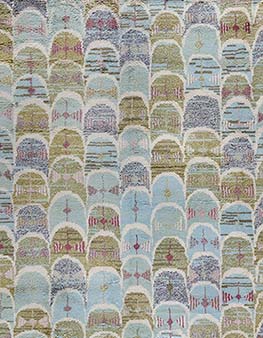
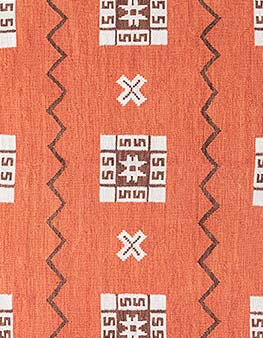
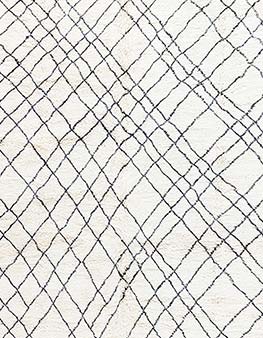
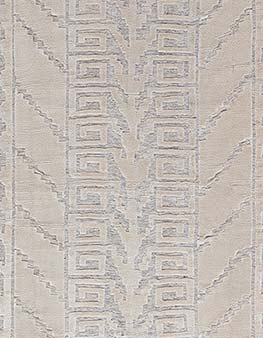
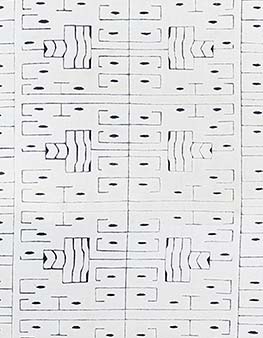
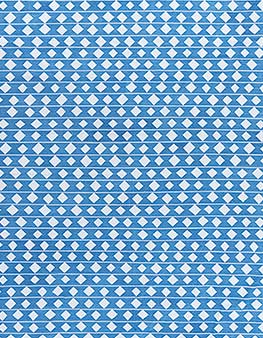
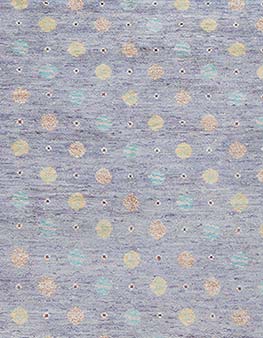
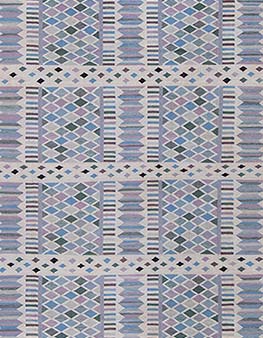
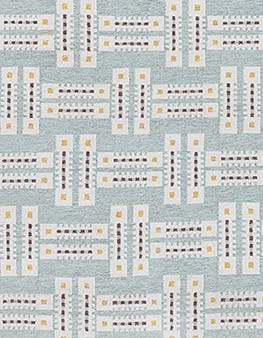
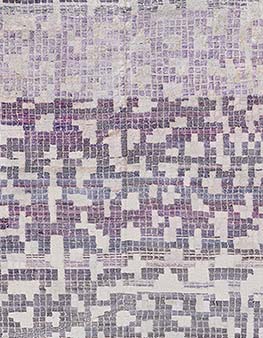
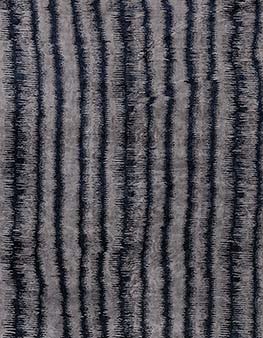
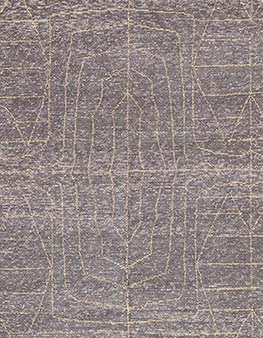
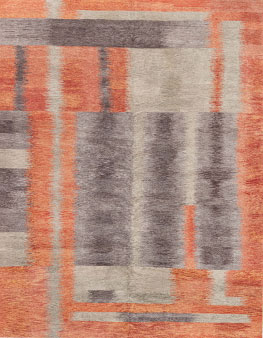
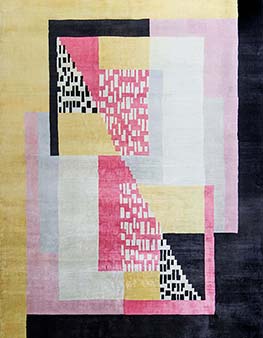
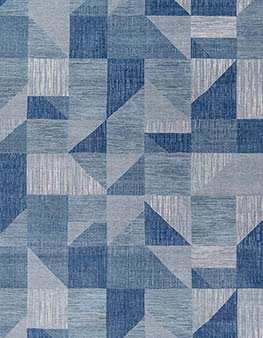
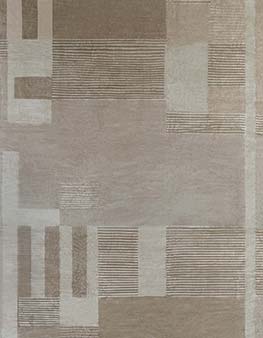
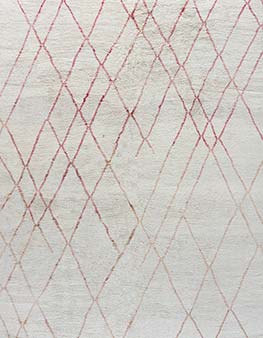
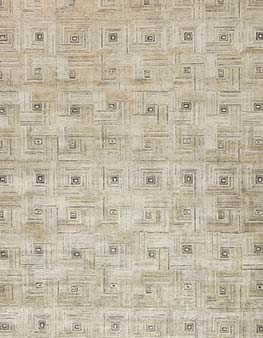
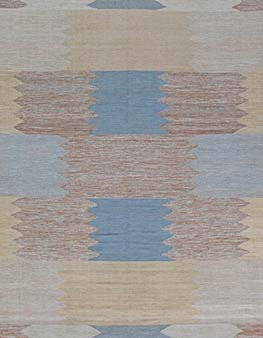
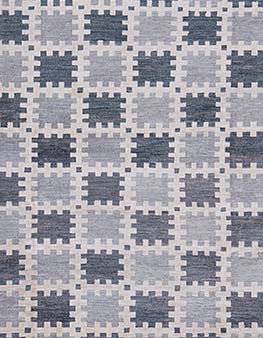
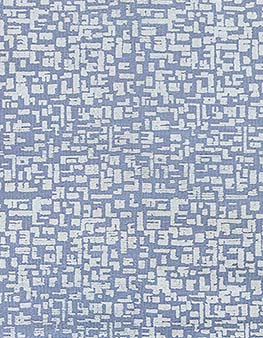
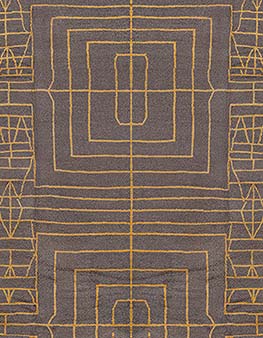
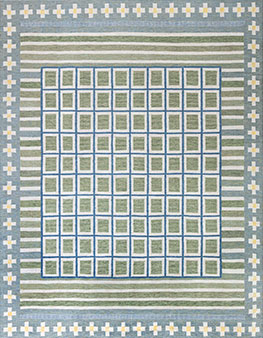
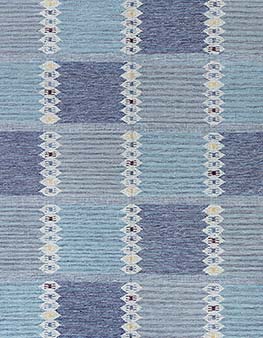
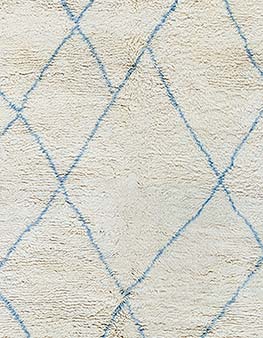
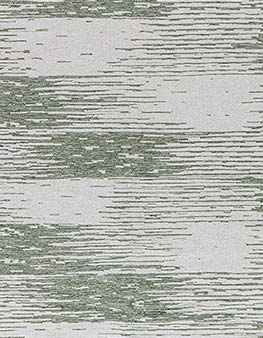
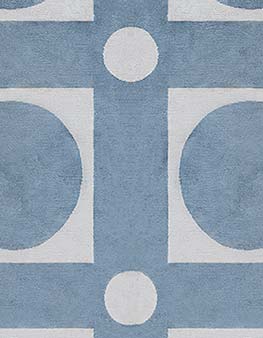
Geometric rugs bring structure, rhythm, and architectural clarity to interiors without requiring a traditional floral or medallion composition. In this Doris Leslie Blau category, the emphasis is on new and contemporary pieces: Scandinavian flatweaves, Art Deco-inspired grids, Moroccan diamond patterns, Dhurrie designs, chevrons, checkerboards, lattice motifs, stripes, and abstract geometry. Many rugs are made in wool, silk, wool-and-silk blends, or natural fibers, with hand-knotted and flatweave constructions represented across room-size, runner, square, large, and oversized formats.
Pattern, scale, and construction
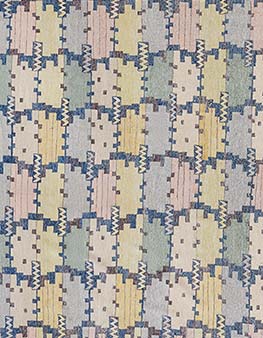
The best geometric area rug depends on how its pattern reads from across the room. A fine lattice can act almost like texture beneath furniture, while a bold checkerboard, diamond repeat, or stepped border can become the room’s main visual element. Interior designers often use geometry to balance curved upholstery, marble, plaster, glass, or strong architectural lines. Construction matters as much as pattern: hand-knotted rugs offer depth, durability, and refined detail, while flatweave rugs provide a lower profile suited to layered spaces, dining rooms, offices, and clean-lined contemporary interiors.
- Choose large-scale patterns for open plans, lofts, and oversized seating groups.
- Use smaller repeats when the rug must support, not dominate, a room.
- Consider flatweave construction for doors, dining chairs, and layered interiors.
- Review wool, silk, and wool-and-silk materials for texture and sheen.
- Compare exact dimensions, palette, and visible pricing before shortlisting.
Choosing geometric rugs for luxury interiors
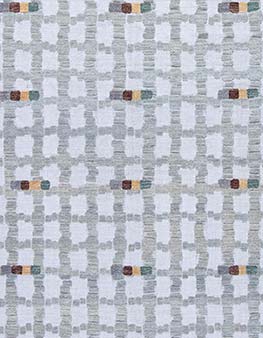
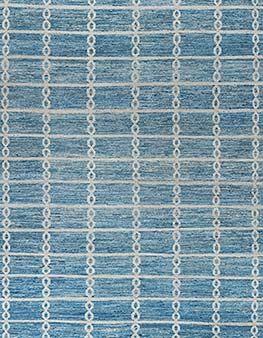
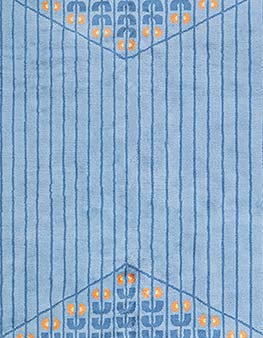
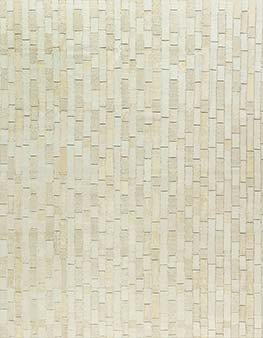
Geometric design is especially useful in luxury interiors because it can look modern, restrained, graphic, or historically informed depending on the weave and palette. A pale Scandinavian geometric rug can soften a minimalist room; a gray or taupe grid can anchor a refined living space; a Moroccan-inspired diamond rug can add warmth without excessive ornament; and an Art Deco geometric carpet can introduce symmetry and polish. Neutral creams, beige, slate, light blue, charcoal, and warm tan tones are particularly versatile, while stronger color combinations work well when a rug is intended to define the scheme.
Doris Leslie Blau has sourced rugs directly from estates, auctions, dealers, and private collections since 1965, and that eye for quality also informs the gallery’s new rug selection. Although this category focuses on new geometric rugs rather than antique carpets, it reflects the same attention to proportion, weaving, material quality, and decorative value found in antique Persian rugs, Oriental rugs, European carpets, and vintage rugs. For collectors and designers, that context matters: a contemporary geometric rug should work with important furniture, art, lighting, and architecture rather than feel like a temporary floor covering.
Custom geometric rugs and made-to-order options
Because geometry is sensitive to proportion, oversized rugs and unusual room dimensions often benefit from custom planning. A border that looks balanced in a 9-by-12 rug may need to be redrawn for a gallery-scale carpet, runner, square rug, or extra-wide living room installation. Doris Leslie Blau can support custom made rugs and made-to-order geometric carpets when a project requires a specific size, color, fiber, construction, or pattern repeat. This is especially valuable for architects and interior designers specifying rugs for primary residences, hospitality spaces, formal rooms, and contemporary interiors where scale must be exact.