


Traditional Rugs for Luxury Interiors
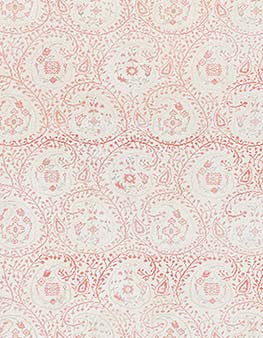
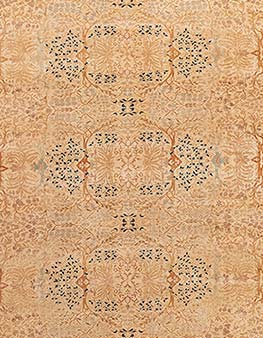
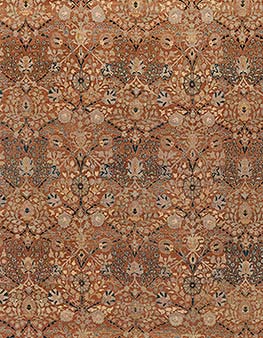
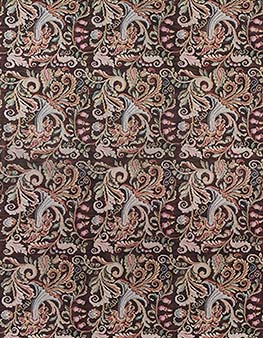
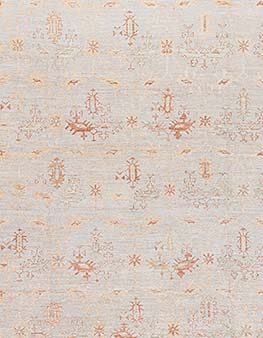
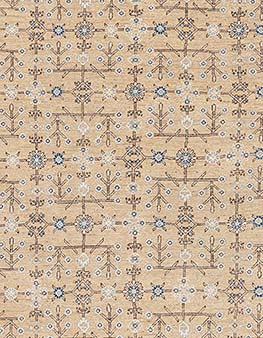
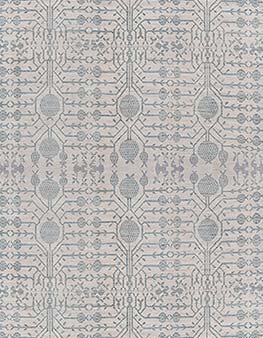
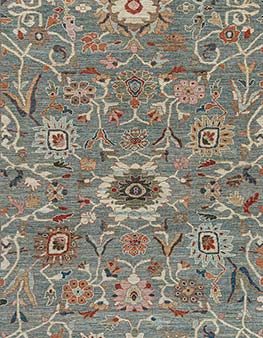
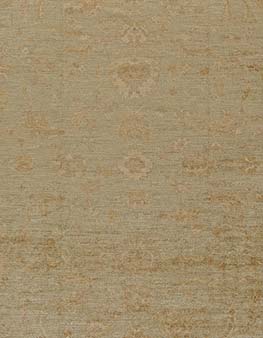
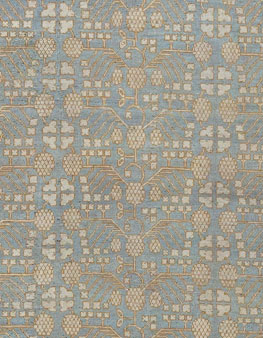
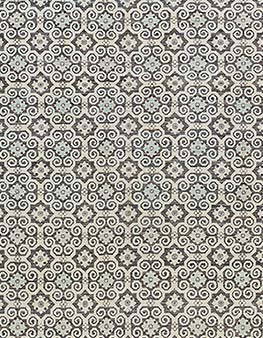
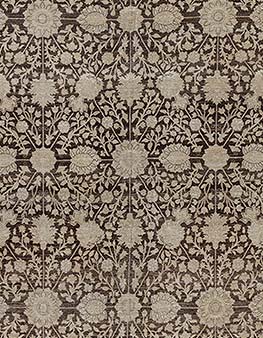
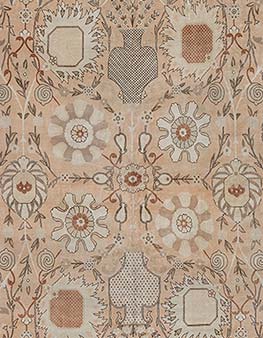
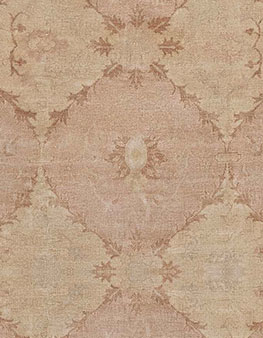
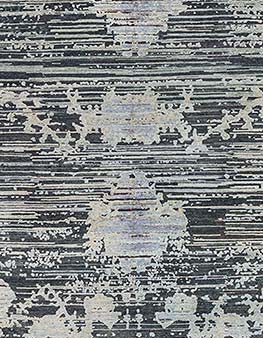
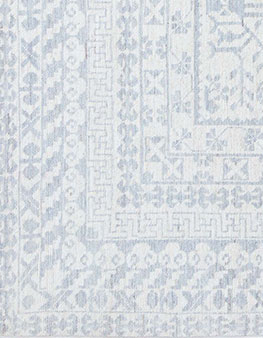
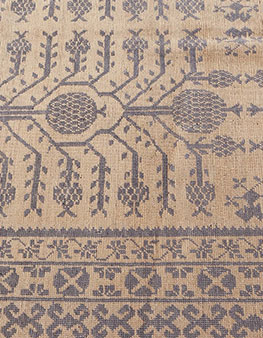
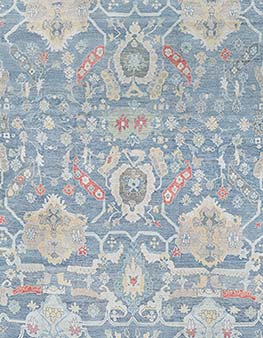
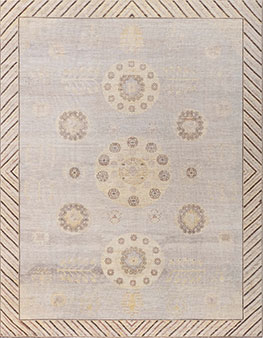
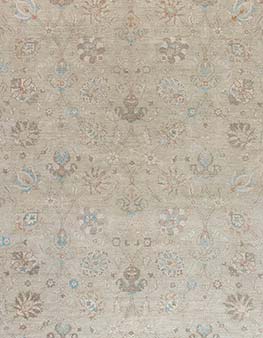
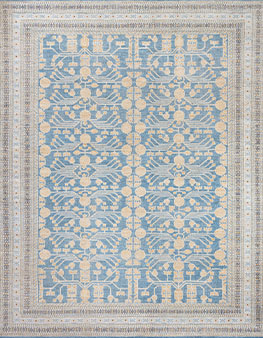
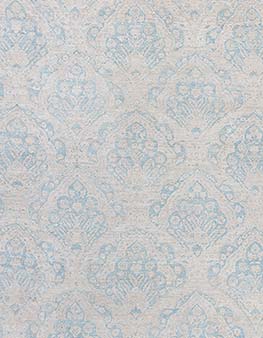
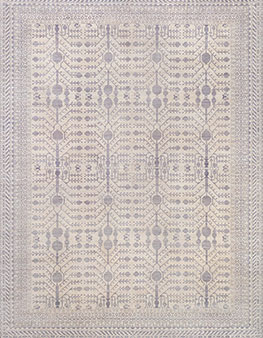
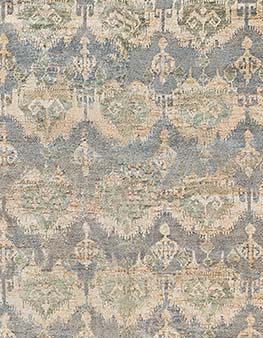
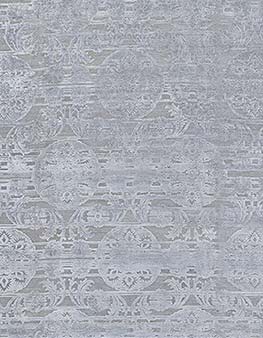
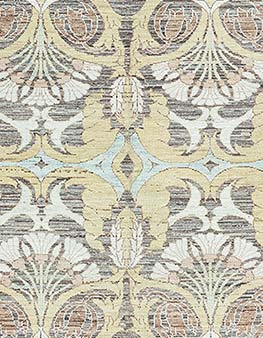
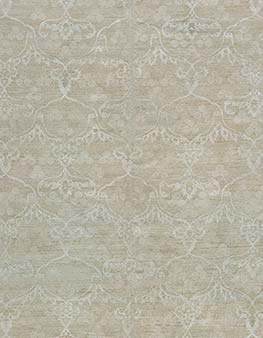
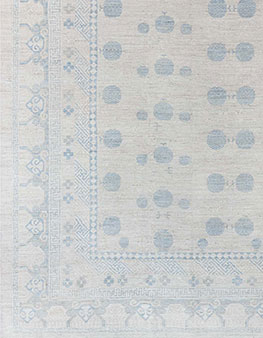
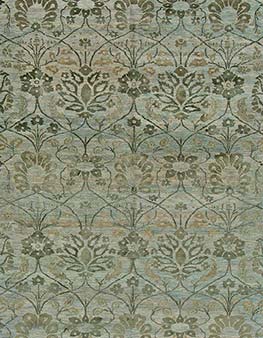
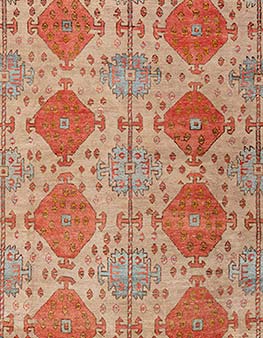
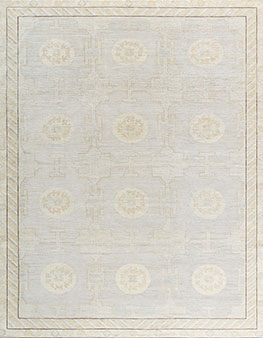
Traditional rugs remain essential in high-end interiors because they give a room structure, softness, and visual continuity without forcing the space into one period. This collection focuses on new and contemporary traditional rugs, many handmade or hand-knotted in wool, silk, wool-and-silk, or natural fibers. Designs reference respected weaving languages such as Oushak florals, Tabriz-style medallions, Sultanabad palmettes, Samarkand motifs, Aubusson scrollwork, Bessarabian garden patterns, and damask ornament. The result is a selection for buyers who want the character of antique carpets with the practical advantages of fresh condition, current palettes, and available sizes.
Classic pattern with current scale and color
A successful traditional area rug depends on more than a familiar motif. Scale, field color, border width, pile height, and drawing quality determine whether the rug feels formal, relaxed, architectural, or decorative. Many of these rugs use soft beige, cream, taupe, tan, gray, blue, and muted botanical tones, making them useful for interiors that combine antiques, contemporary furniture, plaster walls, bronze lighting, stone, leather, and tailored upholstery. Large and oversized traditional rugs can visually unify living rooms, dining rooms, libraries, bedrooms, galleries, and open-plan residences, while smaller rugs and runners help carry the same design language through halls, entries, and private spaces.
For interior designers and collectors comparing luxury traditional rugs, construction is a central part of the decision. Hand-knotted rugs generally offer depth, detail, and long-term decorative value; flatweaves create a lighter, tapestry-like surface; silk or silk accents can sharpen pattern and add luminosity. Wool remains a preferred material for warmth, resilience, and natural texture. Antique rugs are typically 100+ years old, but this category is primarily for new traditional pieces and antique-inspired designs rather than a claim of antique age.
How to choose a traditional rug
Use the product details to compare size, weave, material, palette, and design origin before narrowing the selection. A traditional rug should relate to both the architecture of the room and the furniture plan. Medallion designs often work well when centered under a seating group or dining table, while allover florals, vines, and lattice patterns are more flexible in rooms where furniture placement is asymmetrical. For serene interiors, consider lower-contrast colors; for grander rooms, a stronger border or larger-scale pattern can help anchor the space.
- Measure the full furniture plan, not just the open floor area.
- Choose hand-knotted wool for durability, texture, and decorative depth.
- Use allover patterns where furniture may interrupt the center field.
- Consider oversized rugs for formal rooms, galleries, and open layouts.
- Review palette under natural and evening light before final placement.
Doris Leslie Blau selection and made-to-order options
Doris Leslie Blau has worked with important antique, vintage, and decorative rugs since 1965, and that experience informs the way new traditional rugs are selected. The gallery looks beyond trend-driven pattern, considering proportion, craftsmanship, color balance, and how a rug will live in a sophisticated interior. Pieces in this category can suit clients who admire Persian rugs, Oriental rugs, European carpets, and rare decorative rugs but need a new rug in a specific size, softer palette, or more consistent condition.
When an existing rug is close but not exact, custom made traditional rugs and made-to-order adaptations may be appropriate. Custom sizing can be especially useful for long dining rooms, unusually wide seating areas, stair halls, primary bedrooms, and rooms requiring an oversized carpet. Buyers can compare visible pricing on product listings, then evaluate whether an in-stock traditional rug or a bespoke version best supports the design plan, budget, and installation timeline.