


Hand-Knotted Rugs for Luxury Interiors
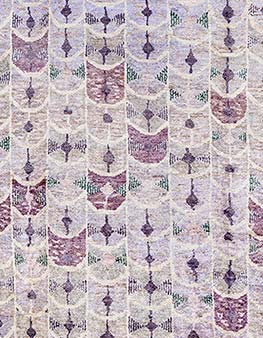
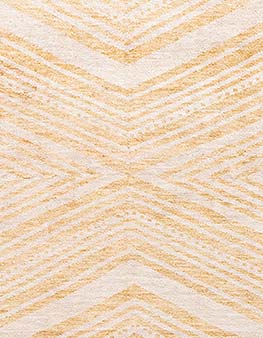
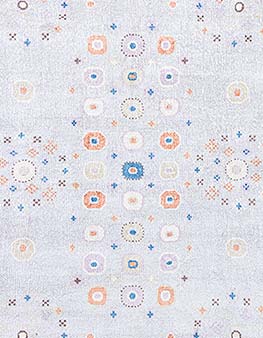
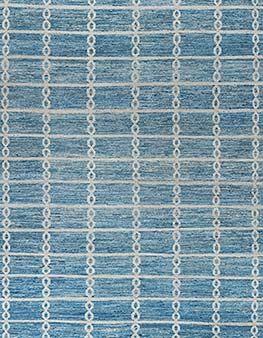
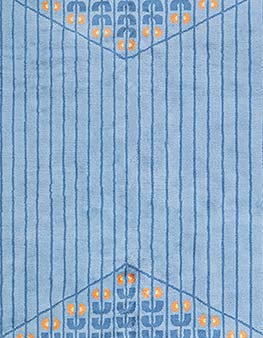
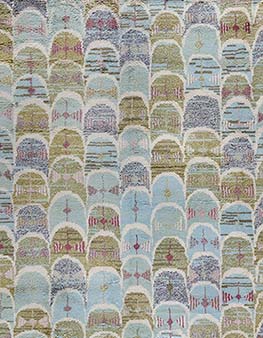
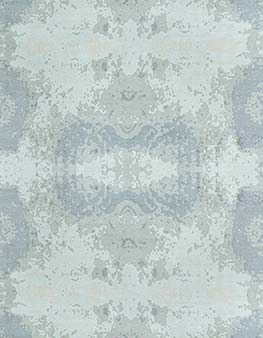
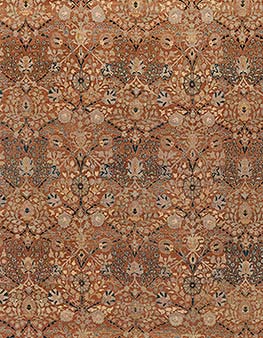
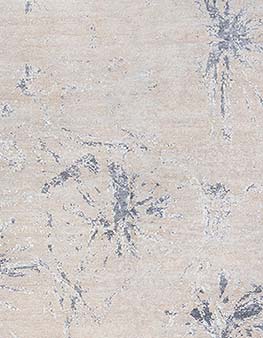
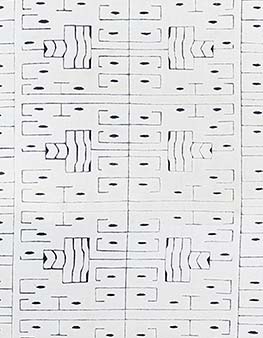
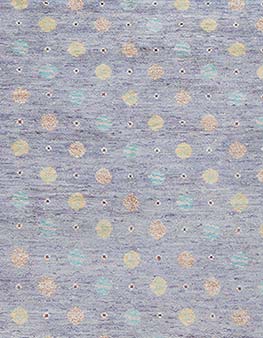
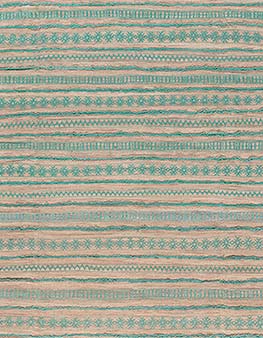
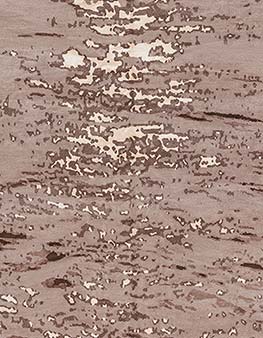
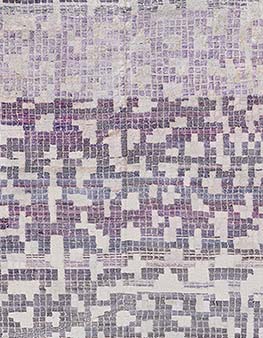
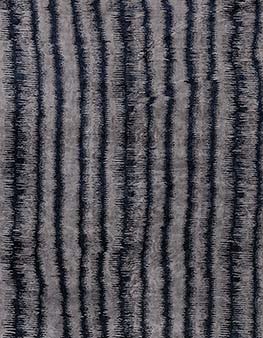
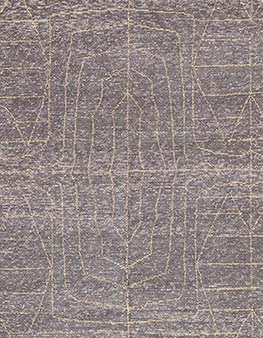
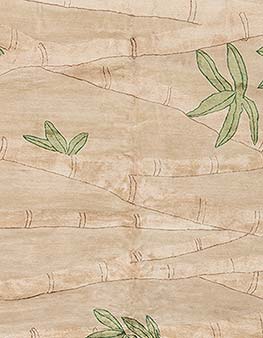
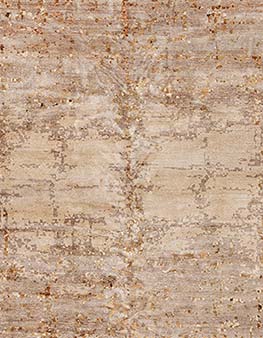
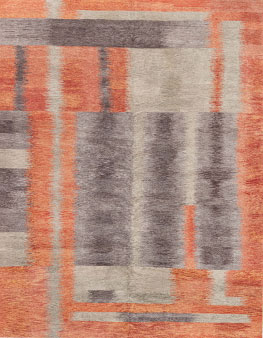
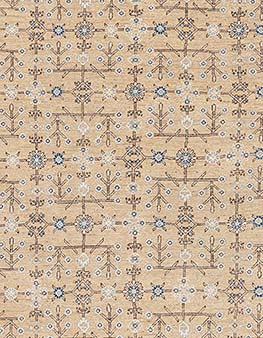
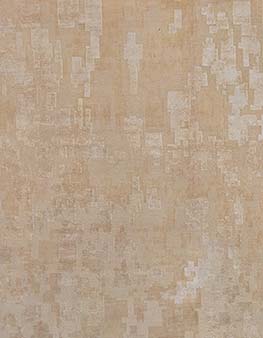
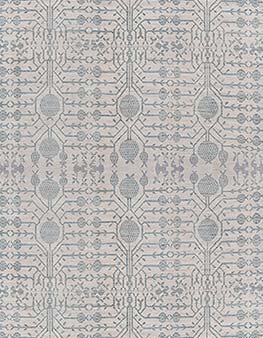
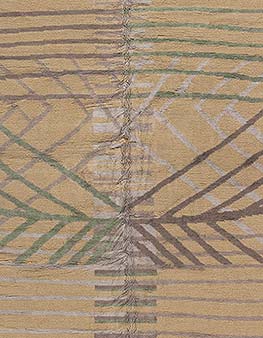
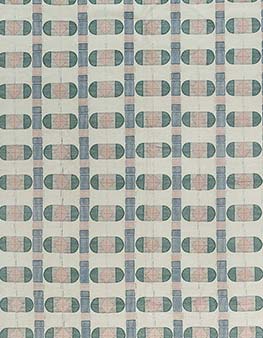
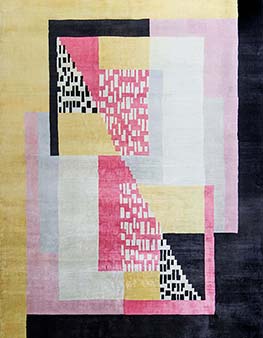
Hand-knotted rugs remain the benchmark for clients who want substance, refinement, and a floor covering with visible human craftsmanship. In this Doris Leslie Blau category, the emphasis is on rugs made knot by knot rather than printed or machine-produced surfaces: modern wool rugs, silk and wool-and-silk carpets, traditional medallion designs, abstract compositions, Scandinavian-inspired geometrics, Art Deco references, Moroccan-style textures, and antique-inspired Persian and Oriental patterns. The result is a selection suited to interiors where scale, texture, palette, and construction must work together, from formal living rooms and primary bedrooms to galleries, libraries, dining rooms, and large architectural spaces.
Why hand-knotted construction matters
A hand-knotted rug is built on a foundation of warp and weft, with individual knots forming the pile and pattern. This labor-intensive structure gives the rug density, clarity, and durability that can be felt underfoot and read visually in the way motifs, borders, fields, and color transitions are rendered. For designers comparing luxury handmade rugs, construction is not a minor detail; it affects how the piece drapes, wears, absorbs light, and anchors furniture. Fine wool provides warmth and resilience, silk can add luminosity and detail, and wool-and-silk combinations create controlled contrast between matte and reflective areas.
Choosing the right design, size, and material
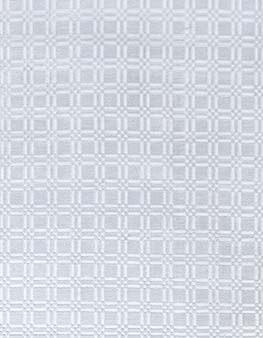
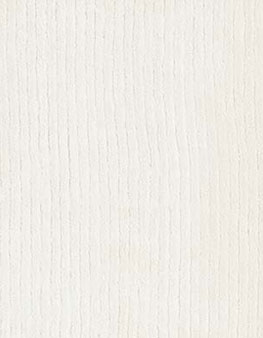
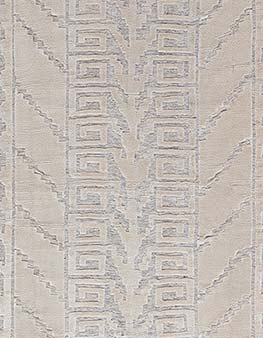
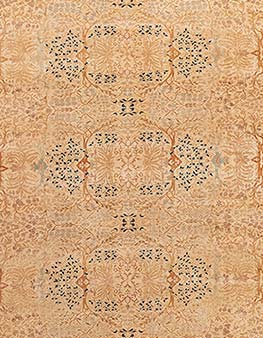
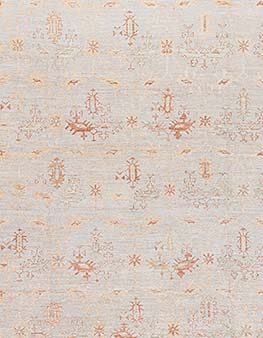
The strongest hand-knotted rug choice begins with the room rather than the rug alone. A pale geometric carpet may quiet a layered contemporary interior, while a traditional Tabriz, Oushak, Sultanabad, or Samarkand-inspired design can introduce structure, heritage, and decorative depth. Abstract and solid rugs work especially well where artwork, stone, millwork, or upholstery already carries the visual emphasis. Oversized rugs can unify open seating plans; runners define corridors and transitions; square rugs solve rooms where standard rectangles feel forced. Doris Leslie Blau has sourced exceptional rugs through estates, auctions, dealers, and private collections since 1965, and that same eye informs the selection of new and made-to-order hand-knotted carpets.
- Check exact dimensions against furniture plans, not just room size.
- Compare wool, silk, and wool-and-silk surfaces in relation to use.
- Study knotting, pile height, pattern scale, and edge finishing.
- Use palette to connect upholstery, wood tones, stone, and art.
- Consider custom made rugs when a precise size or color is required.
New, vintage, antique-inspired, and custom possibilities
This category is especially useful for buyers who appreciate antique and vintage rugs but need the flexibility of new production. Antique rugs are typically 100+ years old and valued for age, patina, provenance, and historical weaving character; new hand-knotted area rugs can translate those design languages into project-ready sizes, softer palettes, and cleaner condition. A contemporary carpet may reference Persian rugs, Oriental carpets, European decorative carpets, tribal motifs, Bauhaus geometry, or Swedish modernism without pretending to be an antique. That distinction matters for collectors, decorators, architects, and homeowners who want authenticity in description and confidence in purchase.
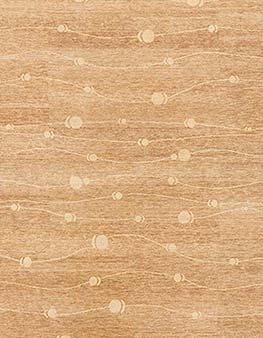
Many interiors require more than a standard stock size. When a room calls for a 15-foot-wide carpet, an unusually long runner, a softened version of a historic pattern, or a custom colorway tied to fabrics and finishes, a made-to-order hand-knotted rug can provide the necessary control while preserving the character of hand craftsmanship. Visible pricing on product listings helps buyers compare options efficiently, while the breadth of designs supports both decorative and architectural goals. Whether the project calls for a quiet neutral wool rug, a silk-accented statement piece, or a large handmade carpet with antique rug character, this collection is designed for serious evaluation rather than casual browsing.