



Geometric Antique Rugs
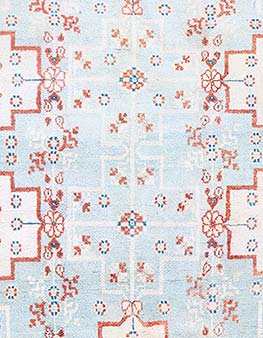
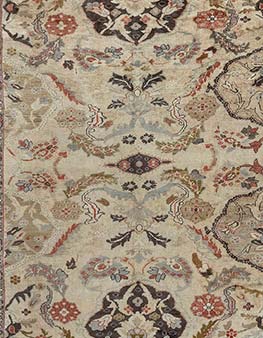
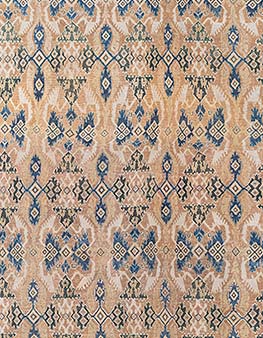
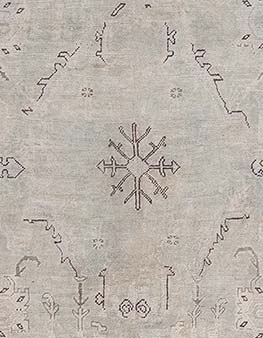
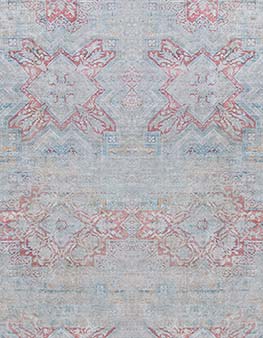
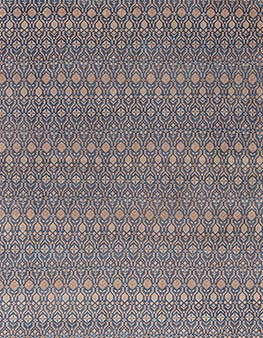
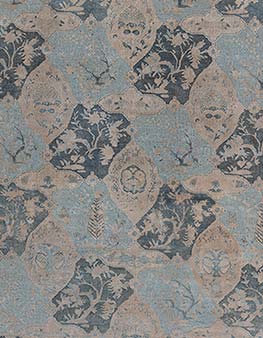
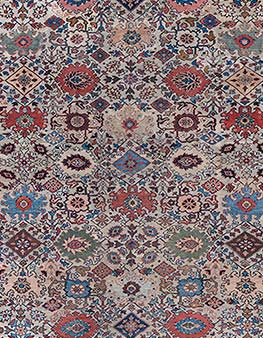
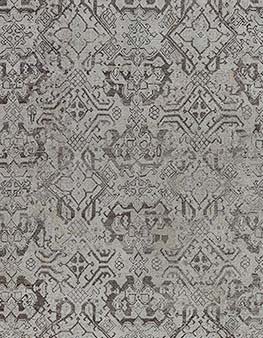
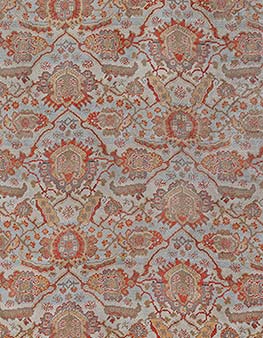
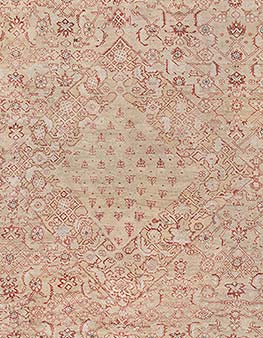
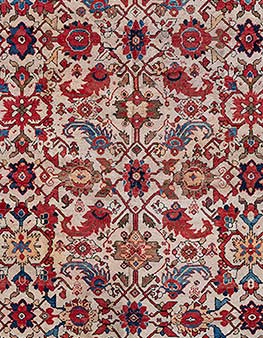
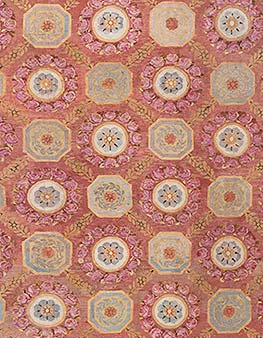
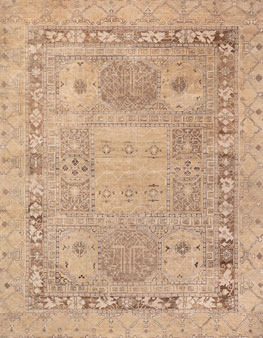
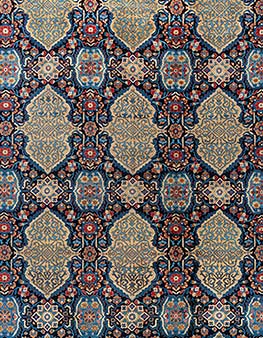
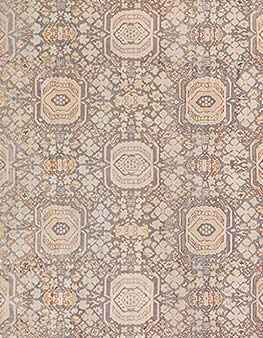
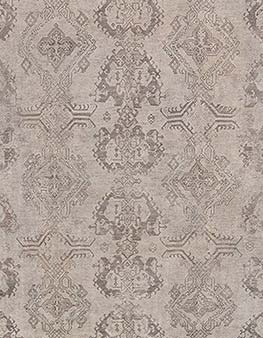
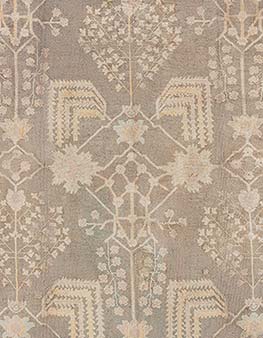
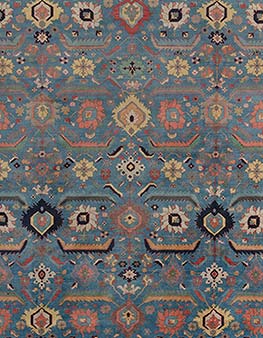
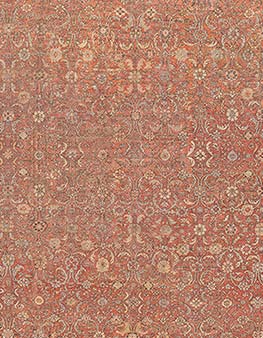
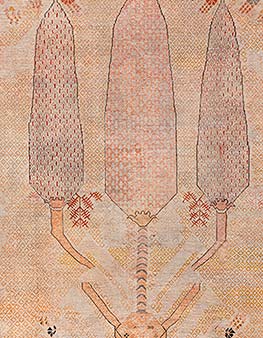
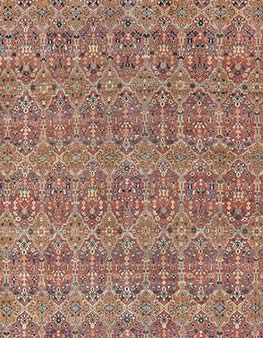
Geometric antique rugs bring architectural order, historical character, and strong decorative structure into refined interiors. Unlike purely floral antique carpets, these pieces often rely on medallions, angular vines, lattice fields, stepped borders, tribal motifs, compartment designs, and repeating allover geometry. The Doris Leslie Blau collection includes Persian, Turkish, Indian, European, and Spanish examples, with many hand-knotted wool rugs chosen for their design clarity, scale, palette, and condition. Antique rugs are typically understood in the market as pieces 100 years old or more, while some early twentieth-century and collectible decorative carpets may sit close to that threshold and are valued for similar workmanship and design relevance.
Origins, Patterns, and Decorative Character
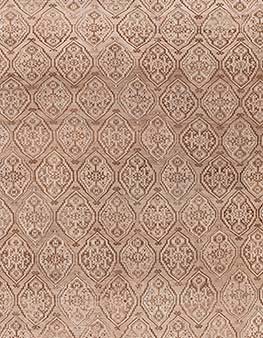
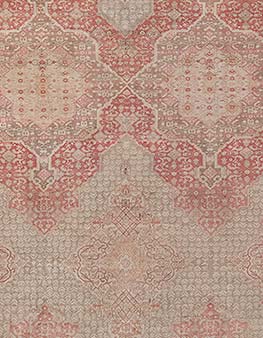
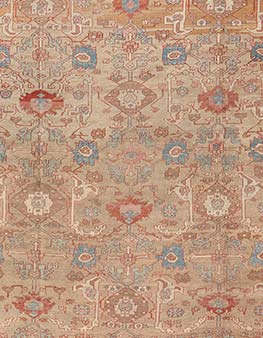
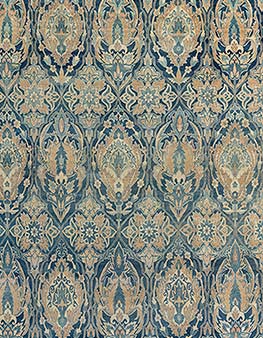
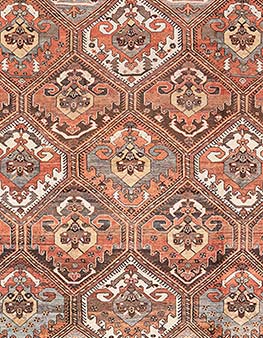
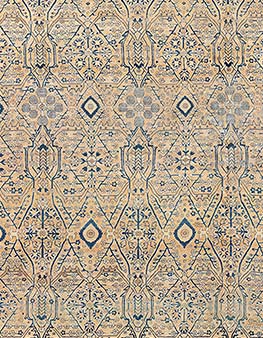
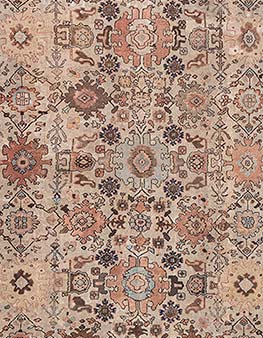
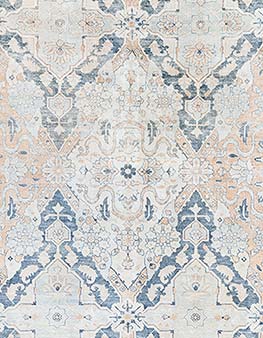
The appeal of geometric antique rugs lies in how confidently they bridge historic craftsmanship and modern interiors. A Persian Heriz or Bakshaish rug may offer bold medallions, angular drawing, and a grounded village character. Tabriz and Sultanabad carpets can provide a more formal balance of symmetry and refinement, while Turkish Oushak rugs are often admired for spacious layouts, softly aged color, and adaptable scale. Indian Agra and Amritsar carpets may bring courtly proportions and decorative restraint; European and Spanish examples can introduce distinctive architectural patterning suited to large rooms, galleries, libraries, and formal living spaces.
For interior designers, geometric antique carpets are especially useful because their pattern has structure without feeling rigid. A large allover field can anchor contemporary upholstery, a medallion rug can organize a seating plan, and a runner with angular borders can add rhythm to a hallway or stair landing. Palettes in this category range from warm tan, taupe, sand, ivory, cream, and light beige to deeper antique tones, giving buyers options for minimalist interiors, layered traditional rooms, and transitional spaces that need texture rather than visual noise.
How to Choose a Geometric Antique Carpet
Selection should begin with the room, not only the pattern. A geometric rug with strong contrast may become the central design statement; a softly abrashed antique wool rug in pale neutrals can act as a quiet foundation. Buyers should compare origin, weave, material, age, condition, restoration, and size, while also considering how the geometry will interact with furniture legs, architectural lines, and existing fabrics. Oversized rugs require particular attention to border placement, while room-size antique area rugs should leave enough visible floor to frame the carpet properly.
- Review exact dimensions against furniture plans, door swings, and circulation paths.
- Compare hand-knotted wool, cotton foundation, silk highlights, and flatweave construction where applicable.
- Study border scale, medallion placement, allover repeats, and directional motifs.
- Evaluate condition, pile, color variation, repairs, and age-related patina.
- Use visible pricing to compare rarity, size, origin, and decorative impact.
Why Designers Source Geometric Antique Rugs Here
Doris Leslie Blau has worked with antique and decorative rugs since 1965, serving collectors, architects, interior designers, and homeowners seeking pieces with stronger provenance and better visual quality than generic vintage-style reproductions. The category is curated for serious design use: large Persian carpets for living rooms, Oushak rugs for serene bedrooms, European carpets for formal interiors, and rare geometric pieces that can hold their own in contemporary architecture. Each listing allows buyers to assess scale, color, origin, period, material, and price before requesting further guidance.
When an antique rug is the right design direction but the exact size or palette is unavailable, a custom made or made-to-order rug can be considered as a complementary solution rather than a substitute for the antique itself. This is useful for projects requiring unusual proportions, coordinated rooms, or a specific geometric language. For buyers who want authentic age, hand craftsmanship, and a distinctive surface, however, a well-chosen geometric antique rug remains one of the most effective ways to add depth, order, and individuality to a luxury interior.