

Wool Rugs for Luxury Interiors
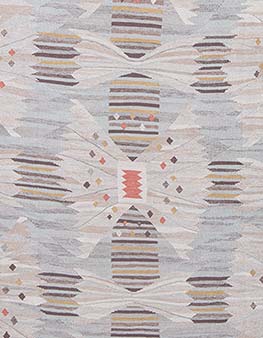
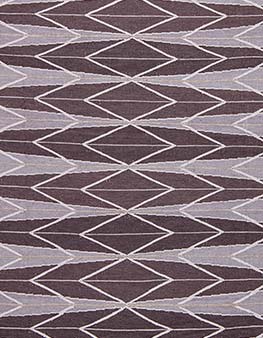
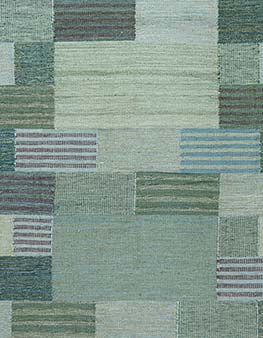
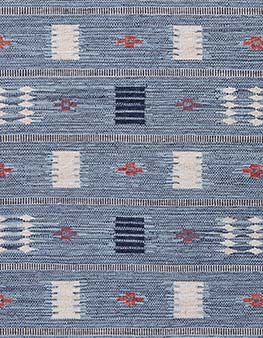
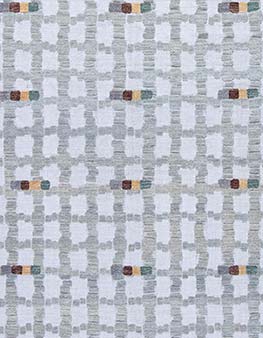
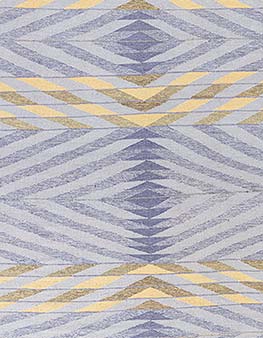
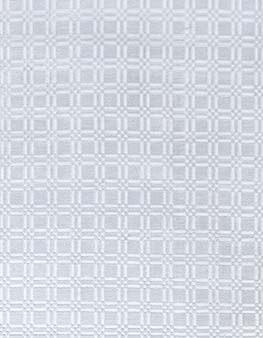
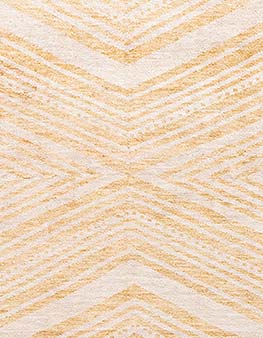
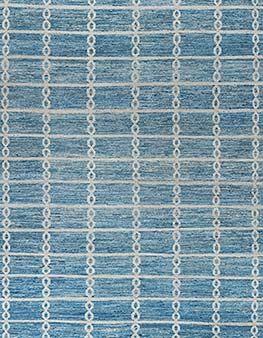
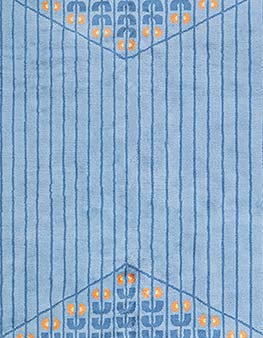
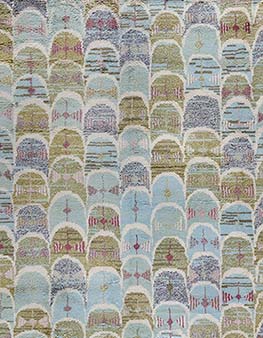
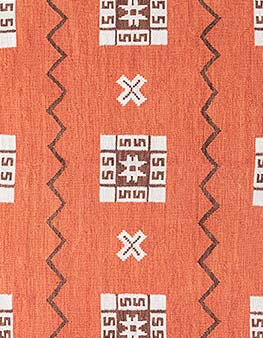
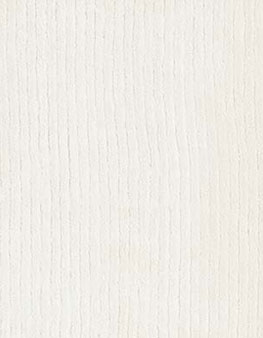
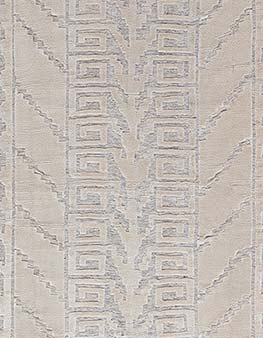
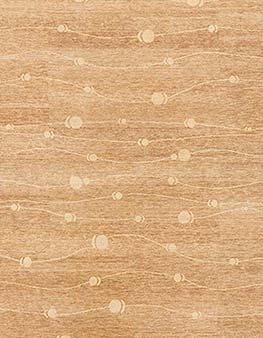
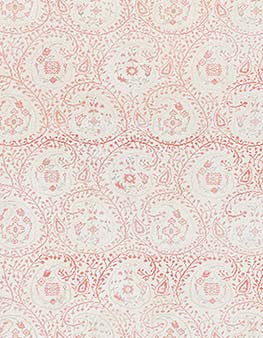
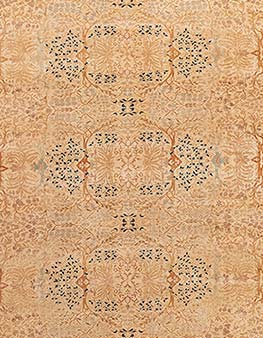
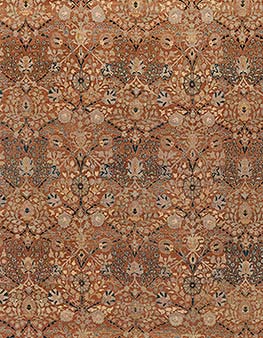
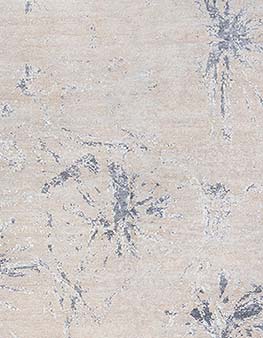
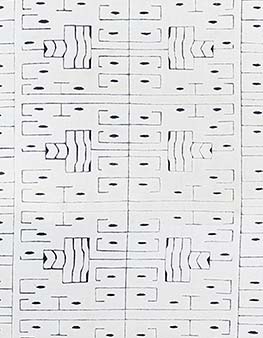
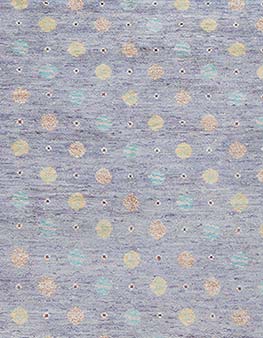
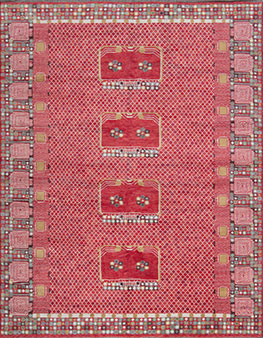
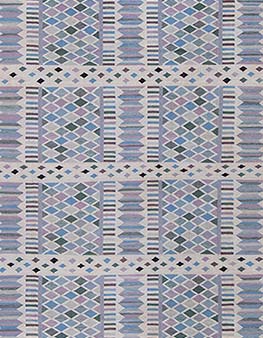
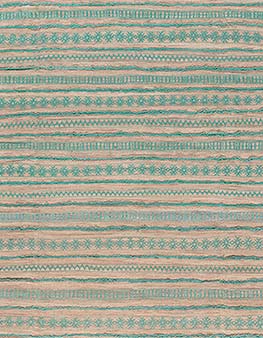
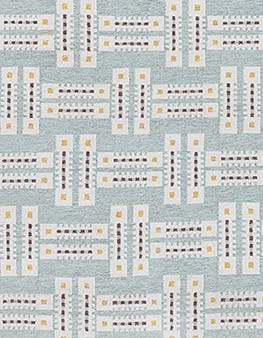
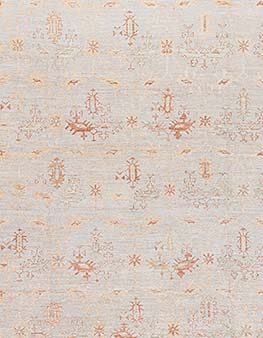
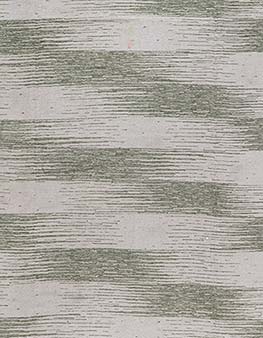
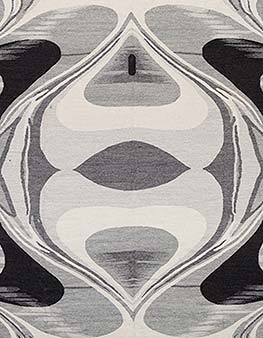
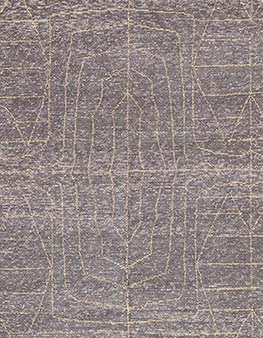
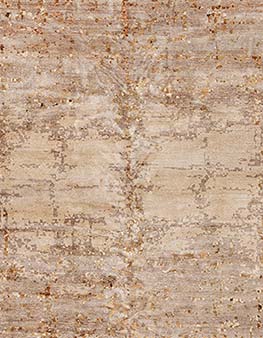
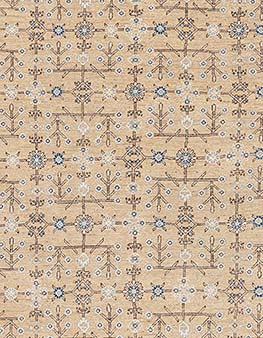
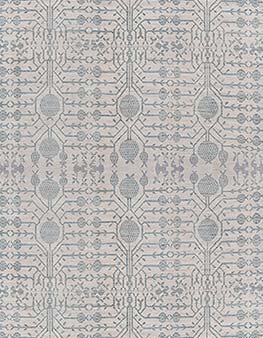
Wool rugs are among the most versatile choices for refined interiors because they combine resilient natural fiber, tactile depth, and exceptional design range. In this Doris Leslie Blau selection, buyers can compare handmade wool carpets across modern, traditional, antique-inspired, vintage, and contemporary styles, including Scandinavian flatweaves, Moroccan designs, Art Deco geometrics, Oushak and Tabriz-influenced patterns, solid neutrals, abstract compositions, oversized rugs, runners, and room-size area rugs. Since 1965, Doris Leslie Blau has sourced rugs through estates, auctions, dealers, private collections, and artisan channels, giving designers and collectors access to pieces chosen for quality, scale, and decorative value.
Why Choose a Handmade Wool Rug
A well-made wool rug brings more than softness underfoot. Wool has a natural ability to hold color beautifully, giving both muted neutrals and stronger pigments a rich, dimensional surface. In hand-knotted rugs, wool pile can reveal subtle abrash, crisp drawing, and a graceful texture that machine-made carpets rarely duplicate. In flatweave rugs, wool offers a lighter profile suited to layered rooms, dining spaces, libraries, and contemporary interiors where a lower surface is preferred. The result is a material that works across formal living rooms, bedrooms, galleries, hospitality spaces, and transitional layouts without sacrificing character.
The category is especially valuable for buyers who want one material but several design directions. A hand-knotted wool carpet can anchor a traditional room with a medallion or allover floral pattern, while a modern wool rug can introduce quiet geometry, a pale solid field, or an abstract composition. Vintage and antique wool rugs add patina, irregularity, and historical reference; antique rugs are typically 100+ years old, while vintage examples often offer twentieth-century design language with strong decorative versatility.
How to Evaluate Wool Rugs Before Buying
When comparing luxury wool rugs online, scale and construction should be considered together. A large or oversized wool rug can visually connect seating areas, dining tables, and open-plan interiors, while a runner can bring pattern and durability to hallways, entries, and stair-adjacent spaces. Construction also matters: hand-knotted wool rugs usually offer depth and long-term craftsmanship, while wool flatweaves can feel crisp, architectural, and easier to layer. Visible pricing on product listings helps buyers and design teams narrow options before requesting additional details.
- Measure the room and furniture plan before choosing size.
- Review weave type, pile height, and whether the rug is hand-knotted or flatwoven.
- Compare wool color, undertone, and pattern scale against fabrics and finishes.
- Consider antique, vintage, or new wool rugs based on desired character.
- Use custom made options when an exact size or palette is required.
Modern, Vintage, Antique, and Custom Wool Rugs
Doris Leslie Blau’s wool rug category is intentionally broad because serious interiors rarely follow one style category. A collector may seek an antique Persian or Oriental wool carpet for provenance and patina, while an architect may need a newly made oversized wool rug in a controlled palette for a contemporary residence. Interior designers often look for wool area rugs that bridge both needs: decorative enough to give a room identity, but balanced enough to work with art, upholstery, stone, wood, and lighting.
For projects requiring exact dimensions, many new wool rugs can inform a made-to-order or custom rug direction, allowing scale, color, weave, and pattern to be tailored to the room rather than forced into a standard size. Whether the goal is a rare decorative rug, a neutral wool carpet for a serene bedroom, a geometric runner, or a large handmade rug for a principal living space, this collection offers a practical starting point for comparing luxury wool rugs with design intent and material quality in mind.