



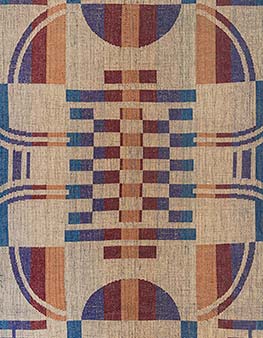
Art Deco Vintage Rugs
Art Deco vintage rugs occupy a distinctive place between collectible design and practical interior decoration. The strongest examples combine early twentieth-century modernism with hand craftsmanship: crisp geometry, stylized florals, architectural borders, stepped forms, abstract fields and carefully controlled color. Doris Leslie Blau curates this category for buyers who want more than a decorative floor covering; each rug is considered for origin, age, material, weave, scale, palette and how convincingly it can anchor a sophisticated room. Since 1965, the gallery has sourced rare rugs from estates, auctions, dealers and private collections, giving designers and collectors access to pieces with character, workmanship and design value.
Modernist design with decorative discipline
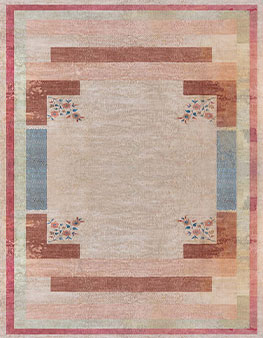
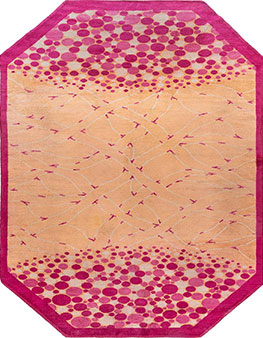
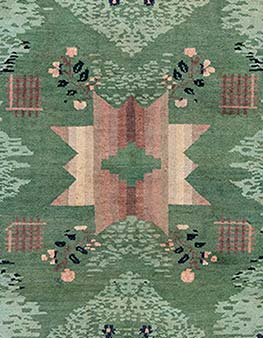
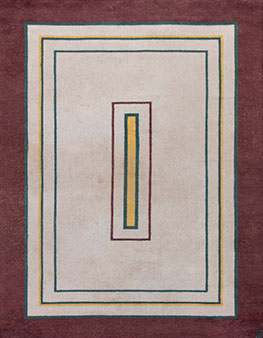
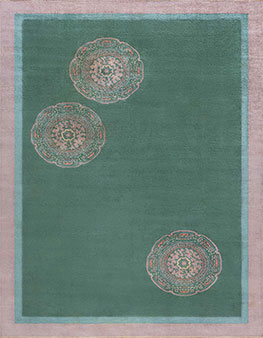
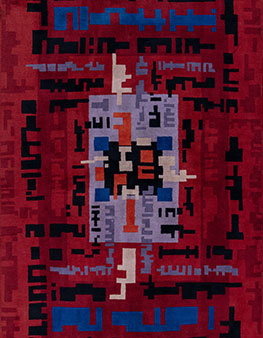
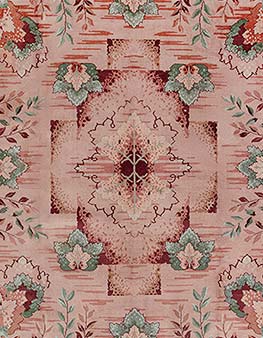
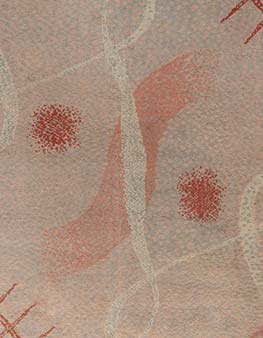
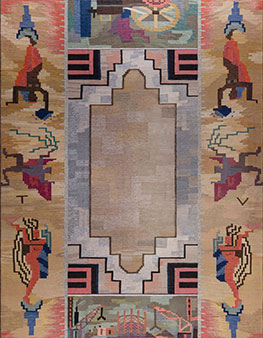
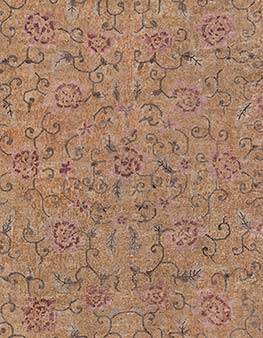
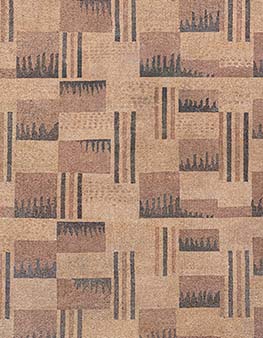
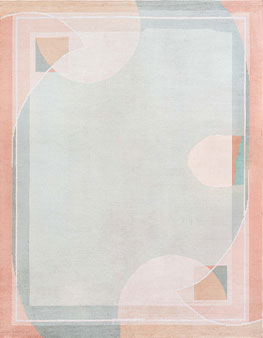
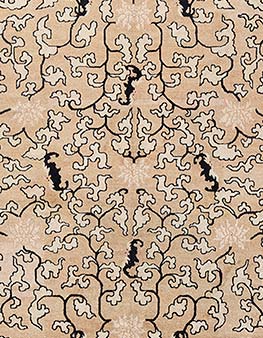
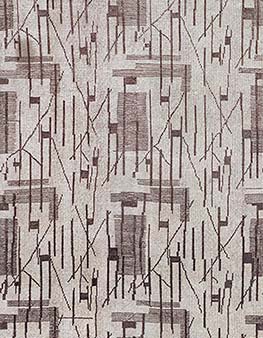
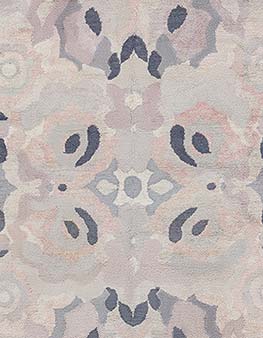
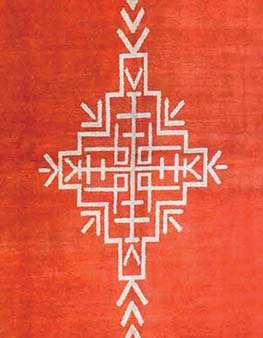
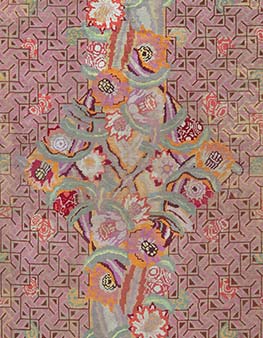
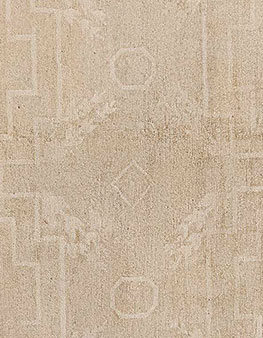
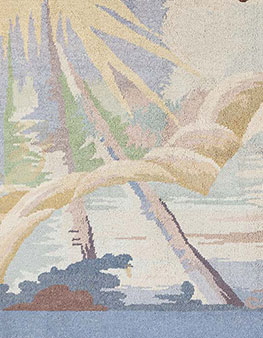
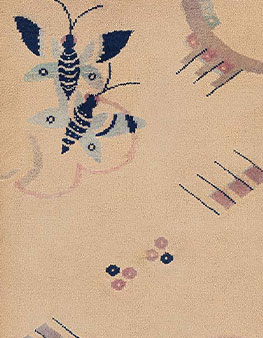
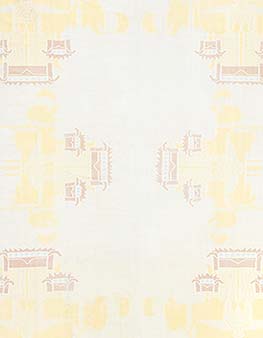
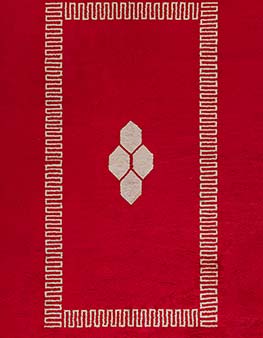
The Art Deco movement translated the visual language of architecture, fashion, graphic art and furniture into carpets that still feel remarkably current. French Deco rugs may show refined floral abstraction, sweeping curves, Cubist structure or designer-led compositions associated with the Parisian decorative arts tradition. Scandinavian Art Deco and modernist rugs often favor flatter weaving, quieter palettes and balanced geometry, while Chinese Art Deco carpets can pair open fields with stylized botanical or geometric motifs. This collection also includes flatweave dhurries and European modernist carpets that suit rooms where pattern must be strong but not visually heavy.
How to evaluate an Art Deco vintage carpet
Serious buyers compare Art Deco vintage carpets by more than pattern alone. Construction matters: hand-knotted wool rugs have pile, depth and durability, while flatweave wool or cotton carpets offer a lighter profile for layered interiors, dining rooms and clean-lined spaces. Vintage rugs are generally less than antique age, while antique rugs are typically 100+ years old; early Deco examples may approach or cross that threshold depending on date. Condition, restoration, pile height, color clarity, border balance and the accuracy of listed measurements should all be reviewed before selecting a piece for a high-value interior.
- Choose French Art Deco rugs for refined luxury, floral abstraction and Parisian decorative influence.
- Consider Swedish or Scandinavian Deco rugs for restrained geometry, texture and modernist simplicity.
- Use Chinese Art Deco rugs where open space, stylized flowers or bolder color is desired.
- Review size carefully; oversized rugs and runners can define architecture rather than simply furnish it.
- Compare material and weave to the room’s traffic, furniture weight and desired formality.
Using Deco rugs in luxury interiors
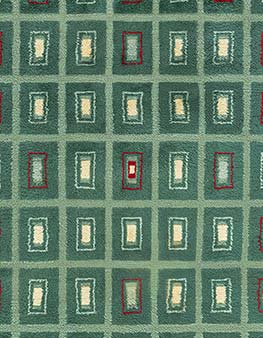
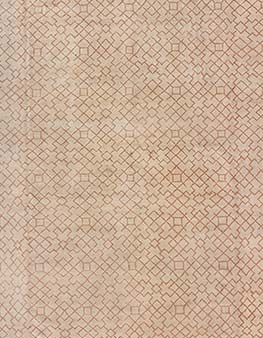
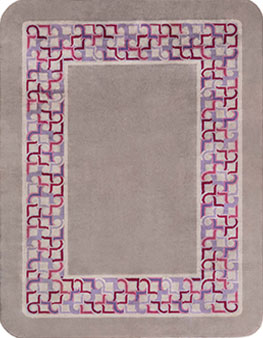
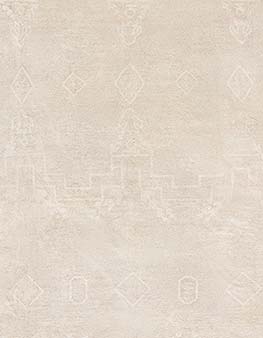
In residential and hospitality design, vintage Art Deco rugs work especially well with lacquer, bronze, stone, walnut, parchment, bouclé, mohair and contemporary upholstery. A pale beige or gray Deco rug can soften a modern room without looking traditional, while teal, lavender, sage, dusty pink or graphic brown compositions can become the visual focus of a library, bedroom, gallery-like living room or formal salon. Their mix of order and ornament makes them useful for interiors that need historical reference without the density of many Persian rugs or Oriental carpets.
For projects where an original vintage rug is not available in the right dimensions, Doris Leslie Blau can also support custom made rugs and made-to-order Art Deco-inspired designs. That option is especially valuable for architects and interior designers working with exact room plans, unusual proportions, stair runners, oversized spaces or coordinated palettes. Original vintage pieces remain singular, but custom sizing can extend the Deco vocabulary into rooms that require precise scale, fresh materials or a specific color relationship.