



Modern Kilim Rugs
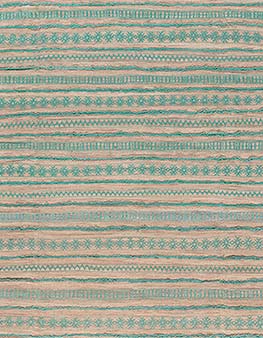
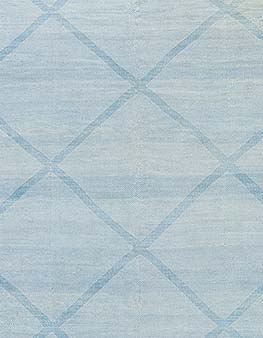
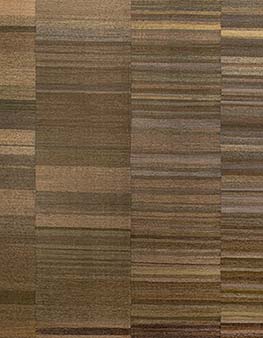
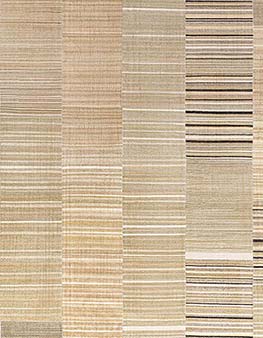
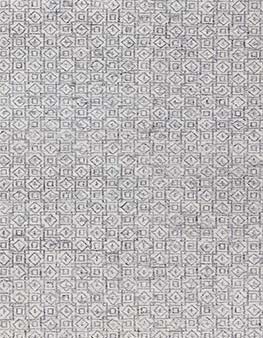
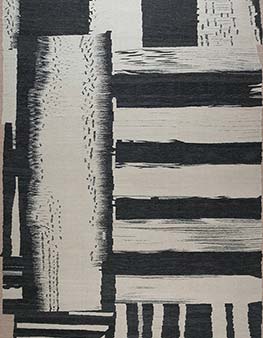
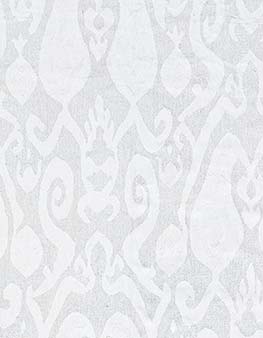
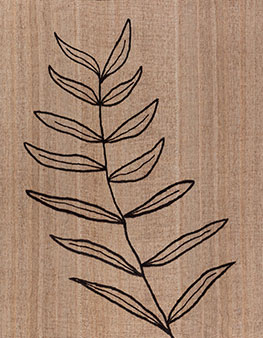
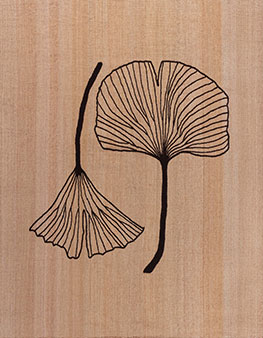
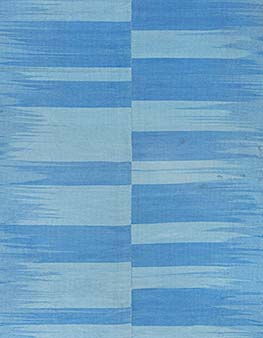
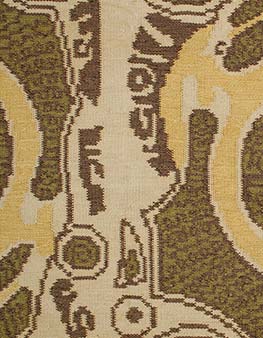
Modern kilim rugs offer the crisp structure of flatweave tradition with palettes, scale, and pattern language suited to contemporary interiors. Unlike pile rugs, kilims are woven without a raised surface, giving them a lighter profile, a clean graphic line, and a practical elegance that works especially well under furniture, in layered rooms, and in spaces where a heavy carpet would feel visually dense. Doris Leslie Blau’s modern kilim selection includes handmade wool flatweaves, abstract compositions, stripes, geometric layouts, tonal neutrals, warm earth colors, and oversized pieces designed for luxury residential and hospitality settings.
Flatweave Craft and Contemporary Pattern
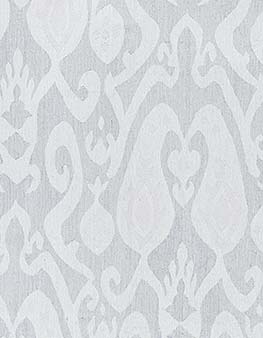
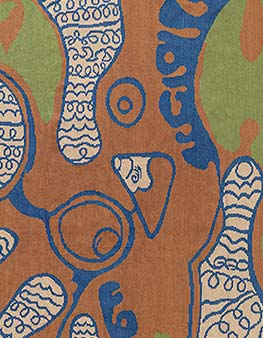
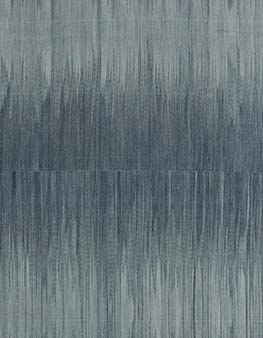
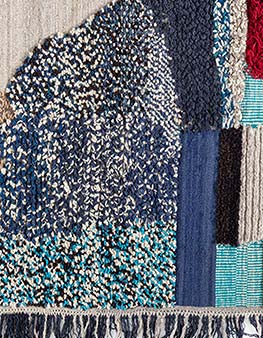
Kilim weaving has roots in tribal, Persian, Turkish, Caucasian, and other Oriental rug traditions, but a modern kilim is not simply a reproduction of an antique carpet. The best examples reinterpret the grammar of historical flatweaves through edited color, larger fields, softer contrasts, and proportions that suit present-day architecture. In this category, buyers can compare wool construction, surface texture, edge finishing, pattern scale, and room dimensions before choosing a piece. Some designs reference vintage kilims, Scandinavian restraint, Art Deco geometry, or abstract painting; others rely on quiet solids, striated fields, or carefully balanced stripes.
- Choose wool flatweaves for durability, texture, and natural warmth.
- Use oversized kilims to define open-plan living and dining areas.
- Select runners for corridors, galleries, kitchens, and long entry spaces.
- Compare pattern scale against furniture placement and room proportions.
- Consider custom made rugs when an exact size or palette is required.
How Modern Kilims Work in Luxury Interiors
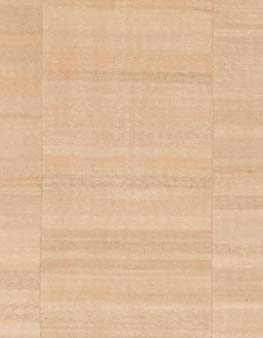
Interior designers often choose handmade flatweave rugs when a room needs structure without visual weight. A pale beige or gray kilim can quiet a richly layered seating area, while a teal stripe, burnt orange gradient, or ink-like abstract pattern can add direction and movement. Because kilims are relatively thin, they sit cleanly beneath dining chairs, sofas, beds, desks, and built-in millwork. They also pair well with antique rugs and vintage rugs in adjacent rooms, creating continuity between collected interiors and more contemporary spaces.
Scale is especially important. A small modern kilim can sharpen a study, bedroom sitting area, or entry, while large and oversized flatweave carpets can bring order to lofts, townhouses, galleries, and expansive living rooms. Runners introduce rhythm in transitional spaces without overwhelming architectural detail. For luxury homeowners and design professionals, the most successful choice is rarely based on color alone; it depends on weave, material, proportion, pattern repeat, traffic level, and how the rug relates to stone, wood, upholstery, art, and lighting.
Modern Kilims, Custom Sizes, and Doris Leslie Blau
Doris Leslie Blau has sourced exceptional rugs since 1965, and that long experience with antique rugs, vintage carpets, and rare decorative weavings informs the gallery’s approach to new designs. The modern kilims in this category are selected for design value, craftsmanship, and compatibility with serious interiors rather than seasonal trend. Where a listed piece does not match the exact requirements of a project, custom made rug options may allow designers and clients to adapt scale, color, or format while preserving the clarity of the kilim-inspired design.