



Samarkand Rugs
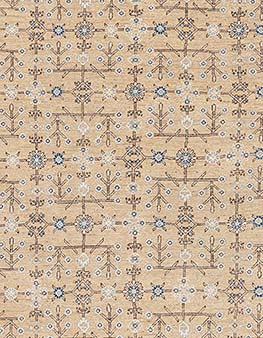
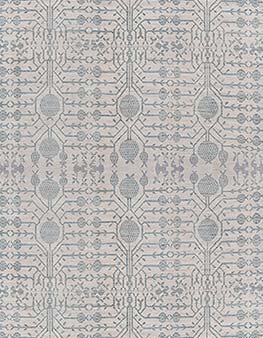
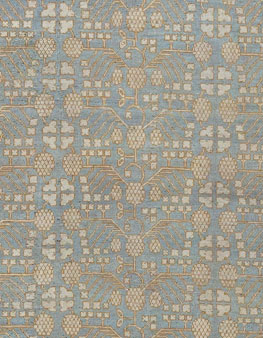
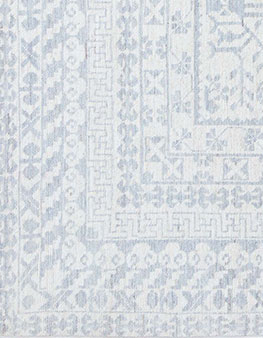
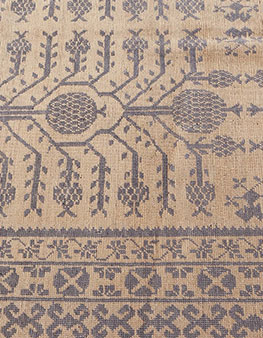
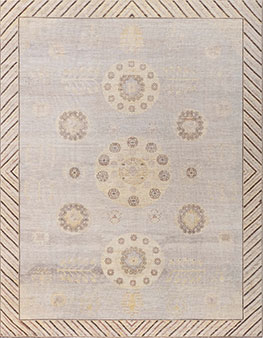
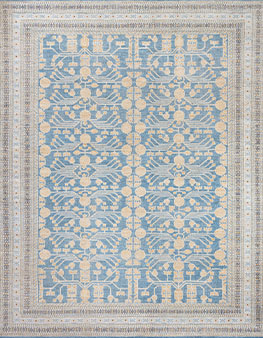
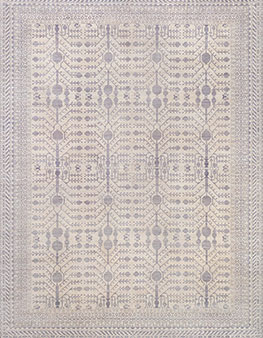
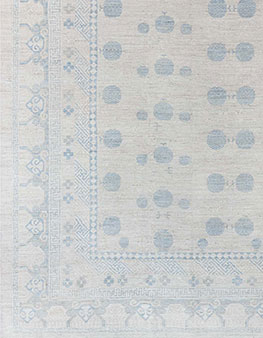
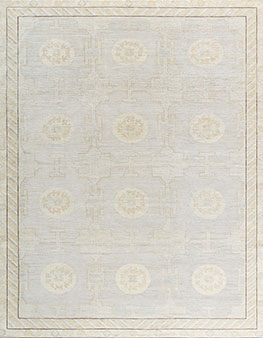
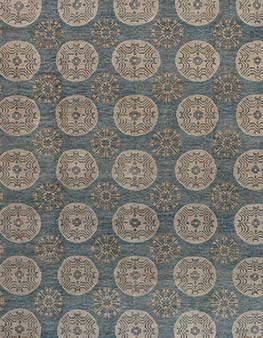
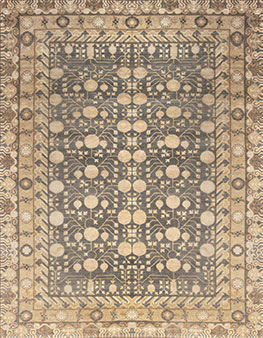
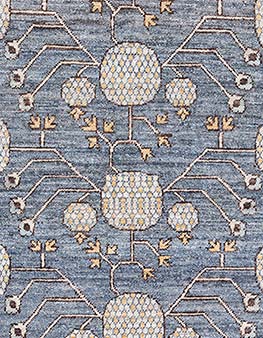
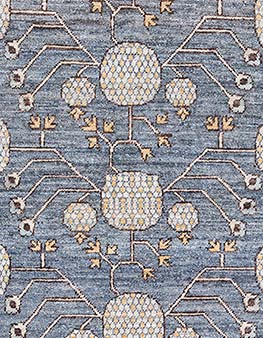
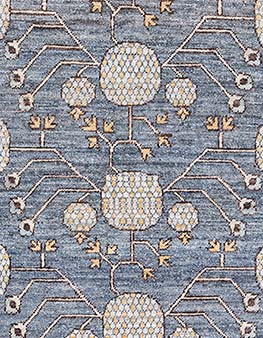
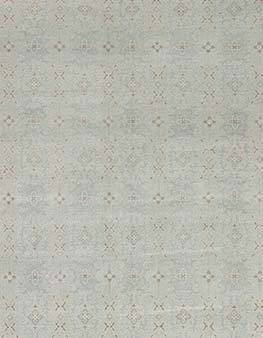
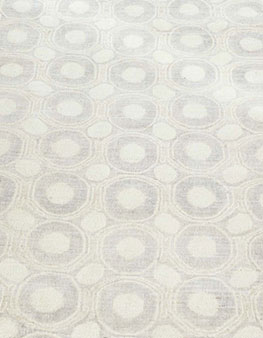
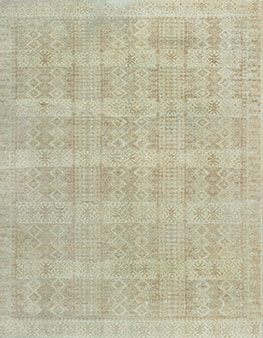
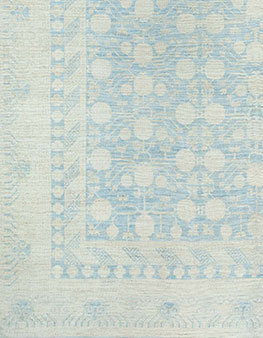
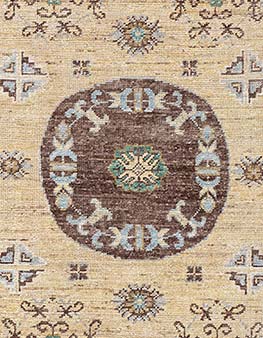
Samarkand rugs bring the decorative language of Central Asian and East Turkestan weaving into interiors that need pattern, scale, and refinement without the fragility or scarcity concerns of an antique carpet. This Doris Leslie Blau category focuses on new Samarkand-style rugs and carpets, including hand-knotted wool pieces with floral vines, medallion layouts, pomegranate motifs, Greek-key borders, geometric fields, and softened contemporary palettes. Many designs reference the antique Samarkand tradition, but the category is especially useful for designers who need dependable sizes, clearer condition expectations, and decorative flexibility for active luxury homes.
Design character and decorative range
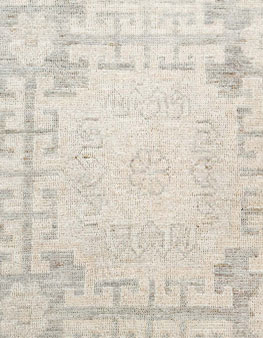
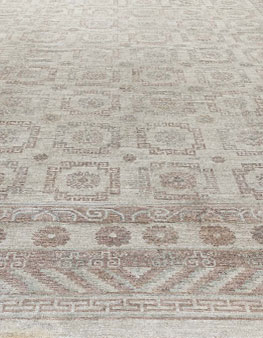
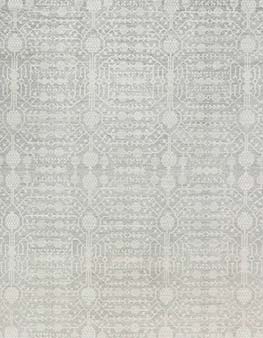
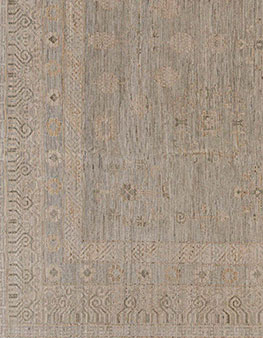
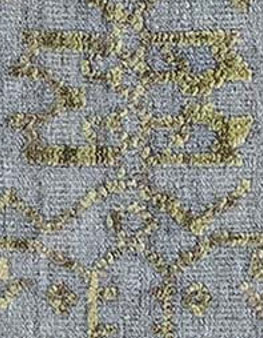
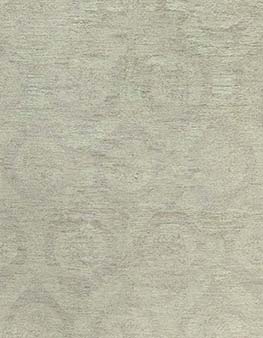
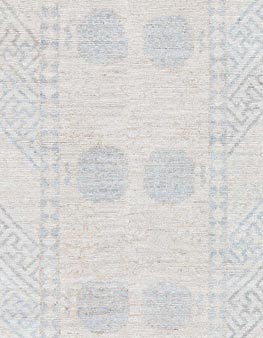
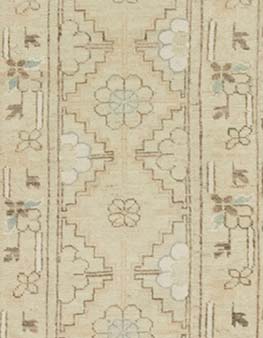
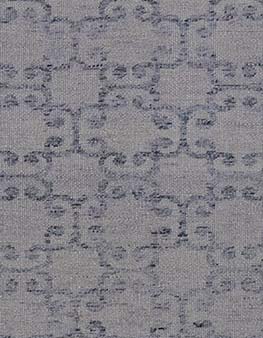
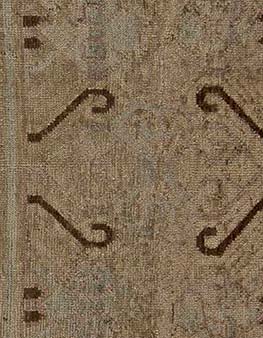
The appeal of Samarkand rugs lies in their balance of structure and ornament. Unlike some Persian rugs, which may emphasize dense curvilinear drawing, or tribal rugs, which can feel more graphic and spontaneous, Samarkand-inspired carpets often combine botanical imagery with spacious borders, stylized medallions, fretwork, and repeating geometric elements. In this collection, ivory, beige, warm tan, light gray, blue, slate, and olive tones make the patterns easier to place in contemporary rooms while still preserving a traditional rug vocabulary.
For interior designers, these rugs work particularly well where a room needs warmth and architectural order at the same time. A pale floral Samarkand rug can soften a formal living room without competing with upholstery, while an oversized geometric carpet can anchor an open-plan space, gallery-like dining room, or principal bedroom. Hand-knotted wool construction gives the surface natural depth and durability; flatweave options, where available, offer a lighter profile for casual rooms, layered interiors, or projects that require a lower pile.
How to choose the right Samarkand carpet
When comparing Samarkand carpets, look beyond color alone. Scale, border width, field spacing, pile, motif density, and room architecture all influence how the rug will read once installed. A large medallion can give a seating group a strong center, while an allover botanical or geometric composition may be more forgiving under dining tables and sectionals. Doris Leslie Blau has sourced rare and decorative rugs since 1965, and that experience informs how new rugs are selected for proportion, craftsmanship, palette, and design value.
- Choose oversized Samarkand carpets for great rooms, dining spaces, and large bedrooms.
- Use smaller rugs to introduce pattern in studies, entries, and layered seating areas.
- Consider hand-knotted wool for texture, resilience, and a substantial decorative presence.
- Look for soft neutrals when pairing the rug with antiques, stone, plaster, or modern upholstery.
- Ask about custom made or made-to-order options when a project requires exact dimensions.
This category is also relevant for buyers who admire antique rugs but need a new carpet with a specific size or fresher palette. Antique rugs are typically 100+ years old, and genuine antique Samarkand examples can be difficult to source in the exact dimensions or condition a project demands. A new Samarkand-inspired rug offers a practical alternative: the look of a storied decorative tradition, interpreted for today’s interiors and available in formats that include room-size, square, large, and oversized carpets.
Each rug should be evaluated as both an object of craftsmanship and a design tool. Review the listed dimensions, material, weave, motif, and dominant colors, then consider how the carpet will interact with furniture placement, wall color, art, and natural light. For collectors, designers, architects, and homeowners building layered luxury interiors, Doris Leslie Blau’s Samarkand selection offers a focused way to source decorative wool rugs with historic character, visible product information, and custom sizing potential when a standard piece is not the right fit.