


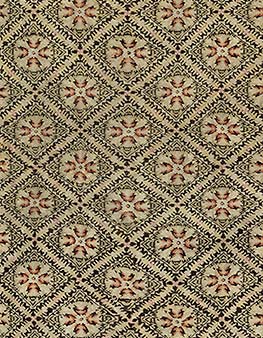
Flatweave Antique Rugs
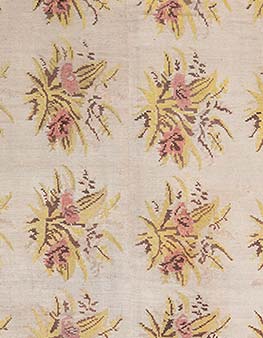
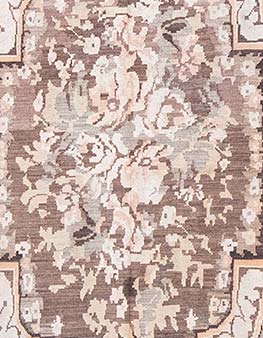
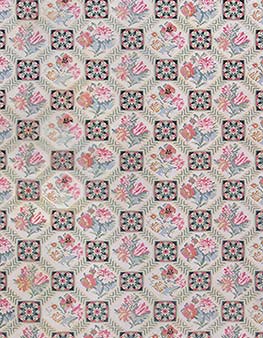
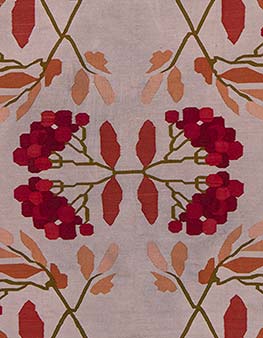
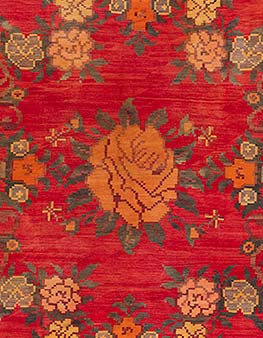
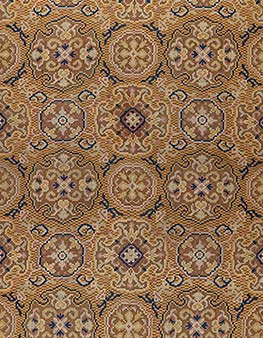
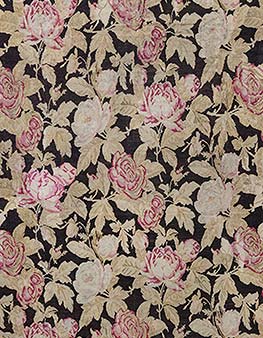
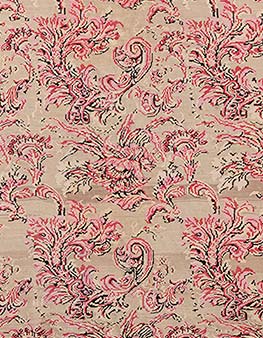
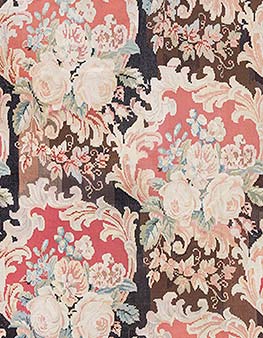
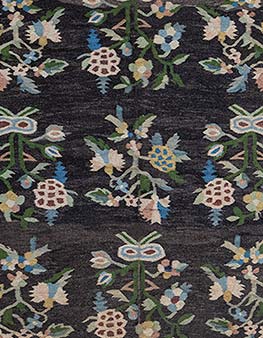
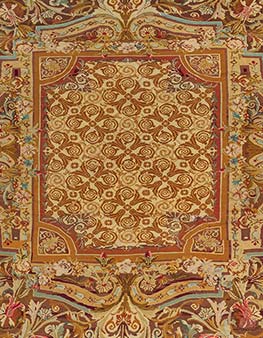
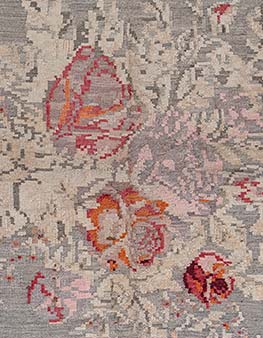
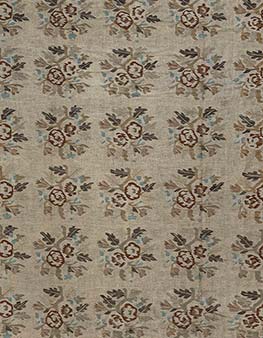
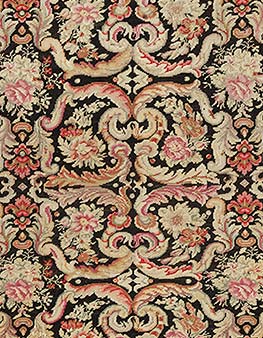
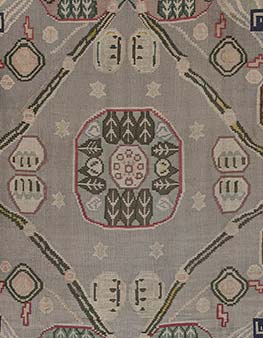
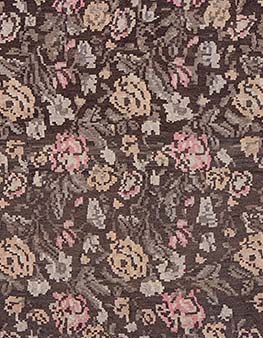
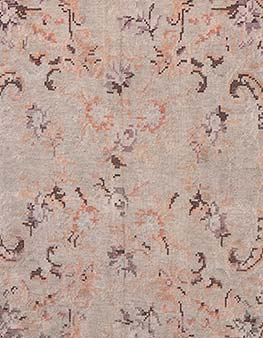
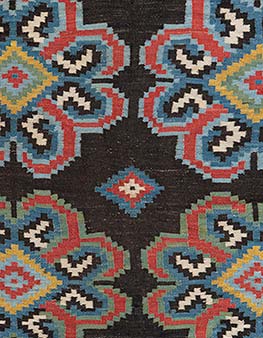
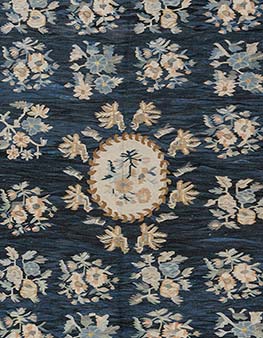
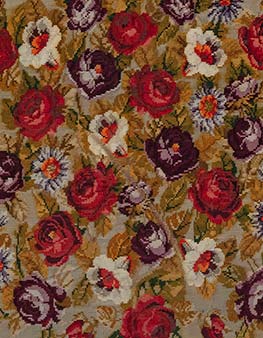
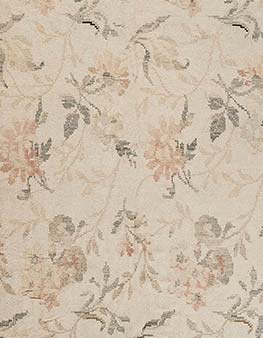
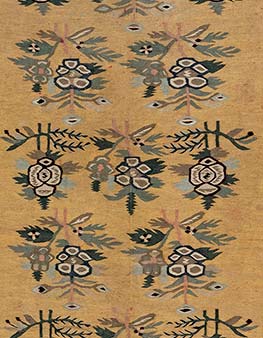
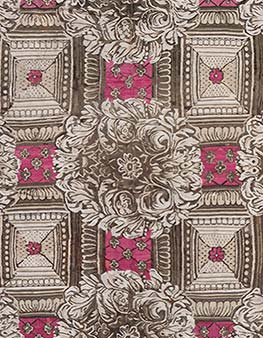
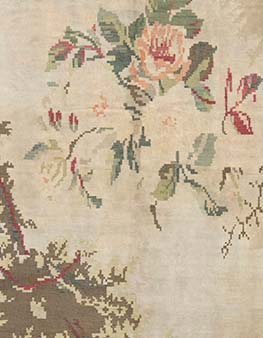
Flatweave antique rugs occupy a distinctive place between textile art and highly usable floor covering. Without the depth of a pile carpet, they sit close to the floor, making them especially valuable for dining rooms, libraries, galleries, bedrooms, and layered seating areas where door clearance, furniture balance, and architectural restraint matter. The Doris Leslie Blau selection focuses on rare decorative flatweaves with strong interior design value, including Bessarabian, Russian, and Ukrainian wool carpets known for allover floral patterns, stylized geometric borders, soft neutrals, crimson accents, taupe grounds, and unusually generous proportions.
Why antique flatweave rugs appeal to designers
In the rug market, antique rugs are typically 100+ years old, although individual listings should always be reviewed by stated date and condition. Flatweaves from the late nineteenth and early twentieth centuries often deliver the visual presence of an antique carpet with a more tailored profile than hand-knotted pile rugs. Their construction reveals pattern through interlaced warp and weft rather than knots, producing a firm, textile-like surface that can feel both historic and modern. For collectors and decorators, this combination is useful: the rug has age, patina, and provenance indicators, yet the surface remains clean-lined enough for contemporary luxury interiors.
Many antique flatweave carpets are prized for their decorative versatility. Bessarabian flatweaves, in particular, can bridge European, Russian, Ottoman, and folk influences, with botanical motifs, lattice structures, softened colors, and symmetrical borders that work well under substantial furniture. A pale sand or ivory field can calm a formal living room; a crimson or golden ground can give a dining room warmth without heaviness. Oversized antique flatweave rugs are especially sought after because they can define a full room while preserving a quiet architectural plane.
How to evaluate a flatweave antique rug
Serious buyers should compare more than pattern alone. Age, origin, weave, wool quality, color stability, restoration history, edge condition, and scale all affect suitability. A fine antique flatweave may show age-related character, but it should still read as intentional within the room. Doris Leslie Blau has sourced antique rugs from estates, auctions, dealers, and private collections since 1965, giving designers and collectors access to pieces selected for decorative strength as well as rarity.
- Confirm the listed date, origin, and whether the piece is antique or later vintage.
- Review dimensions carefully, especially for dining chairs, room borders, and oversized placements.
- Consider palette in natural and evening light, not only in product photography.
- Look at the weave, ends, sides, and visible surface condition for signs of age and use.
- Match pattern scale to the room: allover designs often perform better under furniture.
Using antique flatweaves in luxury interiors
Flatweave antique rugs are especially effective where an antique area rug should support the room rather than dominate it. Their lower profile suits dining tables, long salons, studies, entry spaces, and rooms with layered antiques, modern art, or clean-lined upholstery. They can also soften stone, wood, or plaster floors without adding excessive texture. For interior designers, the advantage is control: a flatweave can introduce history, handwoven material, and a sophisticated pattern language while keeping the floor plane visually disciplined.
Because antique flatweaves are finite objects, exact size and palette cannot always be repeated. When a project requires a particular dimension, color direction, or coordinating rug for multiple rooms, Doris Leslie Blau can also discuss custom made and made-to-order rug possibilities inspired by historic flatweave design. The antique pieces remain one-of-a-kind, but custom work can solve scale and continuity needs for luxury residential, hospitality, and collector-driven interiors.