

Modern Rugs
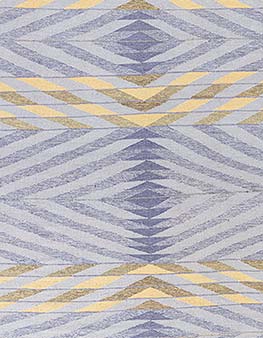
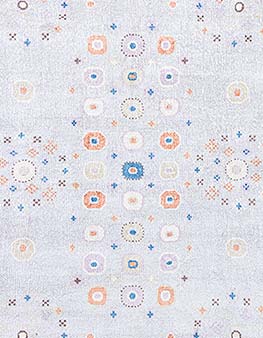
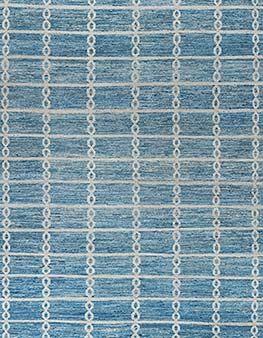
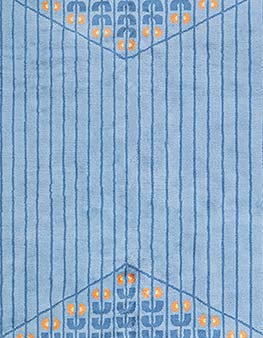
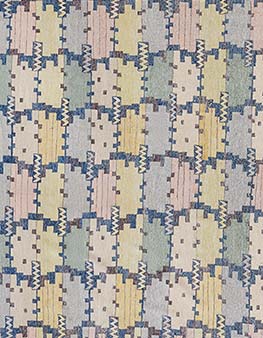
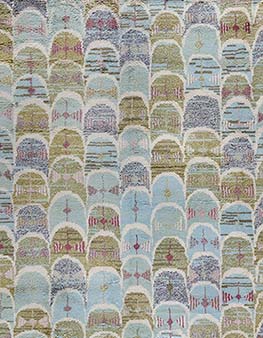
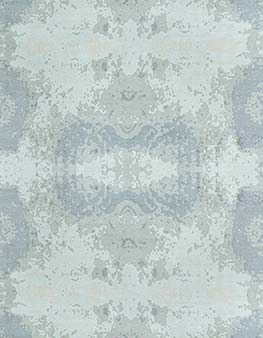
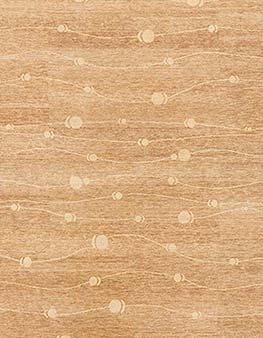
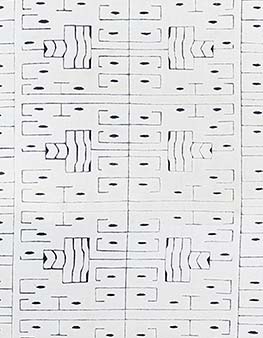
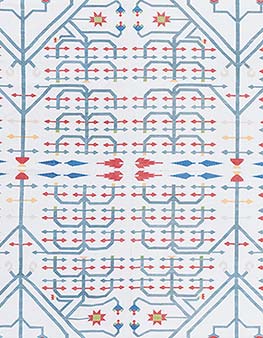
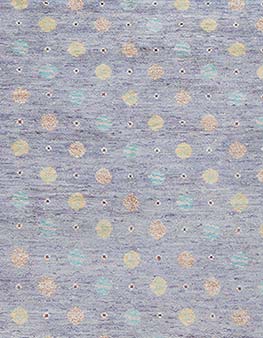
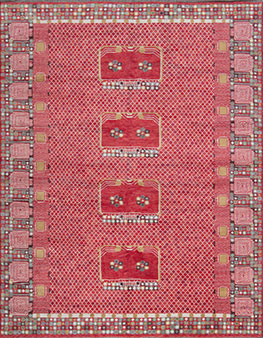
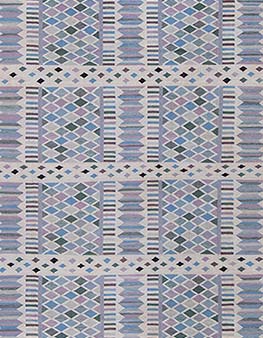
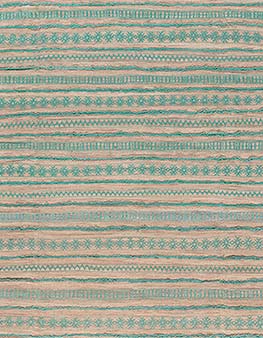
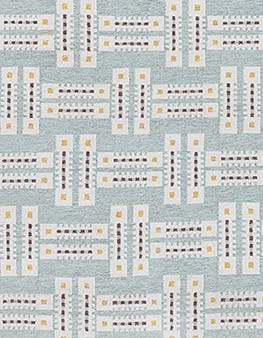
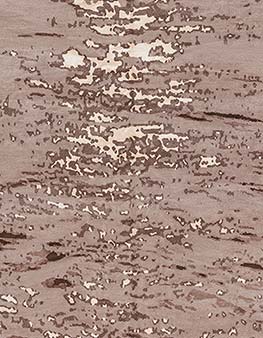
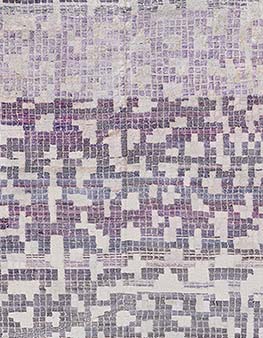
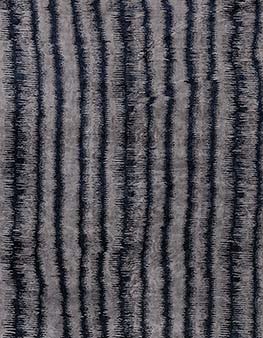
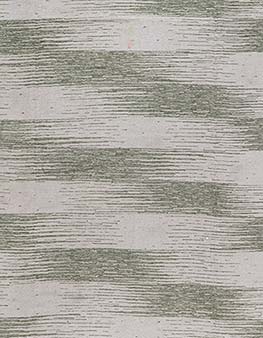
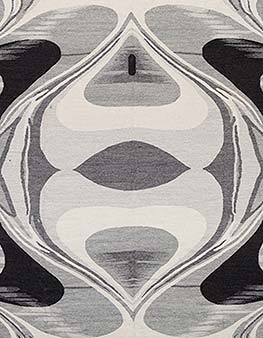
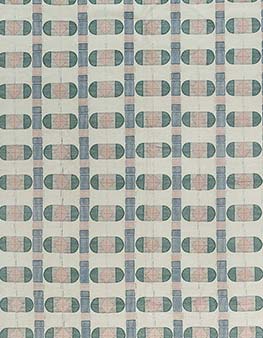
Modern rugs bring structure, texture, and a contemporary point of view to interiors where furniture, art, architecture, and light all need to work together. This Doris Leslie Blau collection focuses on handmade modern area rugs rather than mass-produced floor coverings: hand-knotted wool rugs, wool and silk carpets, flatweaves, dhurries, geometric rugs, abstract rugs, Scandinavian-inspired designs, Art Deco-influenced patterns, soft neutrals, bold compositions, and oversized pieces for large rooms. Each rug can be evaluated by scale, material, construction, palette, and design language, allowing interior designers and homeowners to choose a piece that supports the room instead of merely filling the floor.
Handmade Contemporary Rugs for Designed Interiors
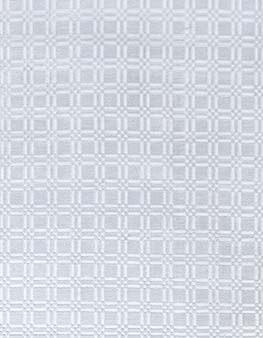
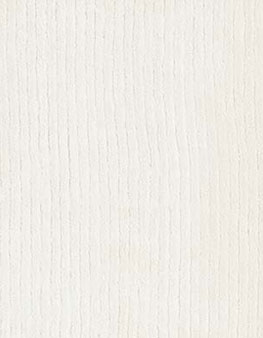
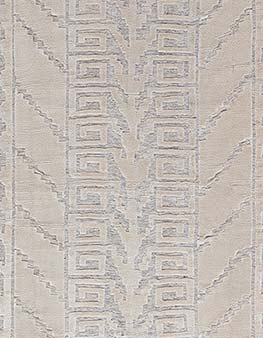
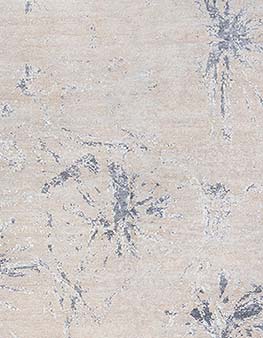
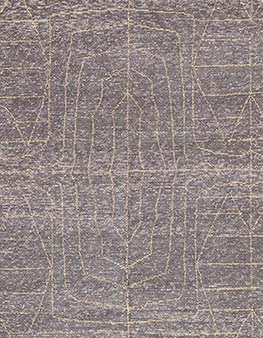
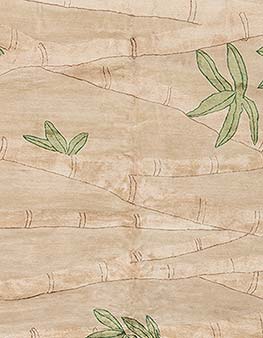
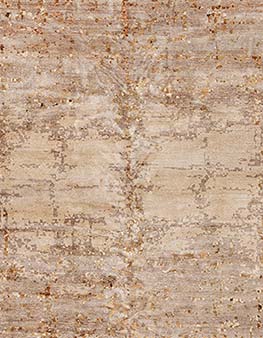
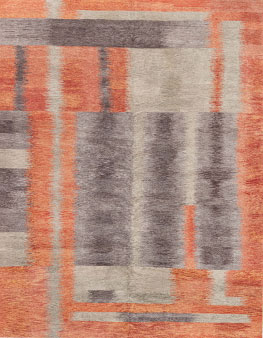
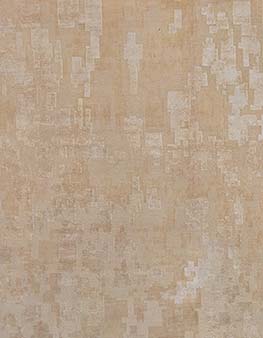
The strongest modern rugs balance restraint with craft. A pale beige wool rug can quiet a living room with stone, oak, plaster, or linen; a slate gray geometric carpet can sharpen a library or media room; a wool and silk abstract rug can add movement beneath clean-lined upholstery. In luxury interiors, the rug often determines the proportion of the seating area, the temperature of the color scheme, and the level of visual contrast. Hand-knotted modern rugs offer depth and durability, while flatweave rugs and contemporary dhurries provide a lower profile for dining rooms, galleries, hallways, and layered spaces.
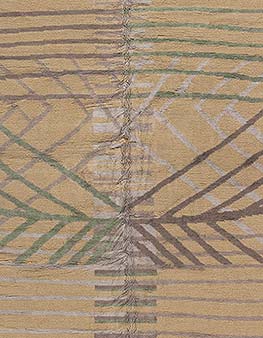
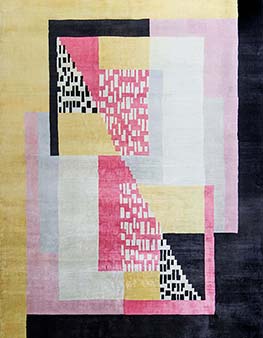
Doris Leslie Blau has sourced important rugs since 1965, and that experience informs the way new modern rugs are selected and presented. Many designs relate to historic rug traditions without imitating them directly: Bauhaus geometry, Swedish restraint, Moroccan rhythm, Art Deco patterning, Oushak-inspired spaciousness, or abstract compositions developed for contemporary architecture. The result is a category suited to collectors and designers who appreciate antique and vintage rugs, but need a new rug with modern scale, cleaner color, or a more tailored relationship to a specific interior scheme.
How to Choose a Modern Area Rug
When comparing modern rugs online, look beyond color alone. Size, weave, fiber, field pattern, border treatment, pile height, and negative space all affect how the rug will perform in a finished room. Oversized rugs can unify open-plan living areas, while runners bring pattern and direction to corridors, dressing rooms, and stair-adjacent spaces. A quiet solid or tonal design may suit a room with important art; a bold geometric or abstract carpet can become the organizing element in a more minimal setting.
- Choose wool for resilience, texture, and comfortable daily use.
- Consider wool and silk when a subtle sheen or finer detail is desired.
- Use flatweave rugs where a thinner profile suits furniture movement.
- Match the rug scale to the seating plan, not only the room dimensions.
- Review palette under natural and evening light before final placement.
Modern, Custom Made, and Made-to-Order Possibilities
Because modern interiors often require exact proportions, this category is especially relevant for custom made rugs and made-to-order work. A design may need to be adapted for a long gallery, a square seating area, a very large living room, or a calm bedroom palette. Custom sizing can also help when standard room-size rugs leave furniture partially unsupported or disrupt the architectural rhythm of a space. Where appropriate, Doris Leslie Blau can guide clients toward modern rugs that suit existing requirements or explore made-to-order options based on desired dimensions, colors, materials, and design direction.
For buyers comparing luxury modern rugs, the important questions are practical as well as aesthetic: will the construction suit the room, will the palette remain livable, and will the design retain interest beyond a seasonal trend? This collection is built for those decisions, with visible product details, clear dimensions, and a range that includes contemporary area rugs, oversized rugs, runners, handmade wool rugs, silk-accented pieces, and decorative rugs for high-end residential and design-driven projects.