



Silk Vintage Rugs
Silk vintage rugs occupy a distinctive place in high-end interiors: they bring the delicacy of fine hand-knotting together with the character of twentieth-century design. Unlike many contemporary silk carpets made to look pristine and uniform, a well-chosen vintage silk rug often has a softer surface, more nuanced color, and a decorative individuality that suits collected rooms. Doris Leslie Blau sources exceptional rugs from estates, auctions, dealers, and private collections, a practice central to the gallery since 1965, and evaluates each piece for origin, material, weave, age, condition, and design merit.
Chinese, Khotan and Samarkand Silk Rugs
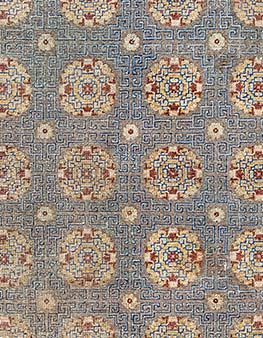
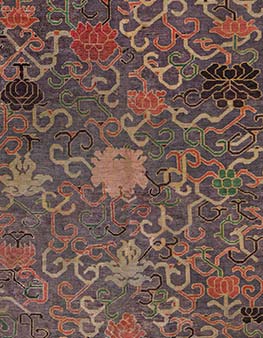
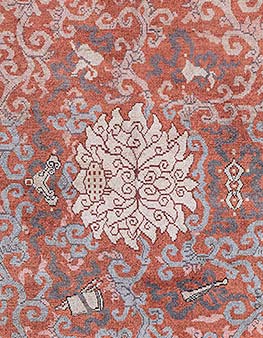
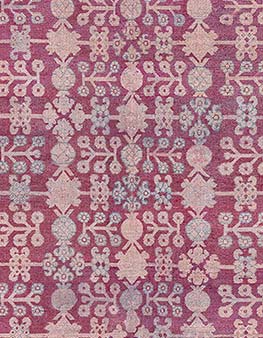
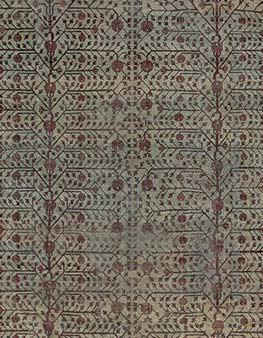
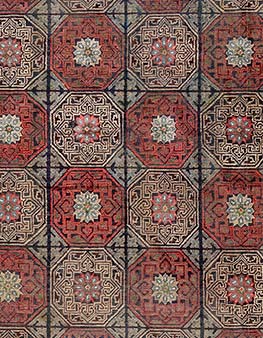
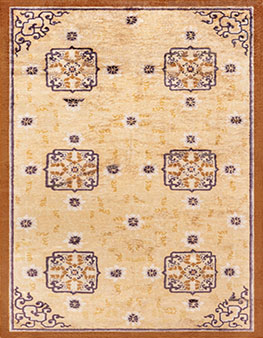
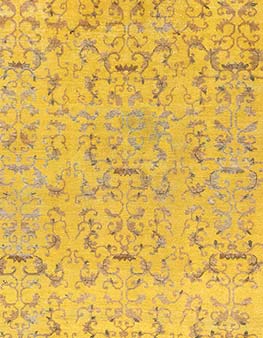
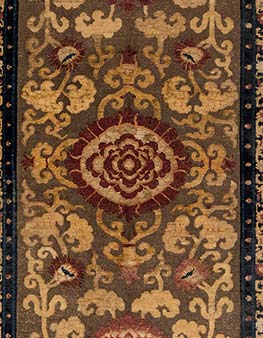
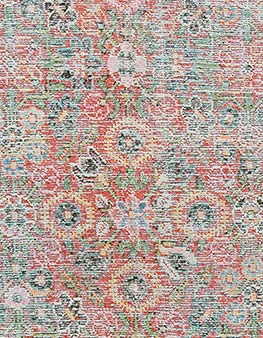
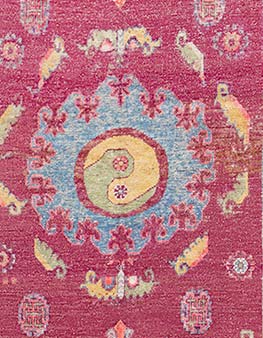
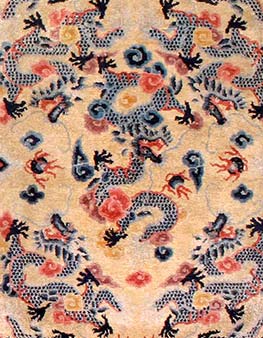
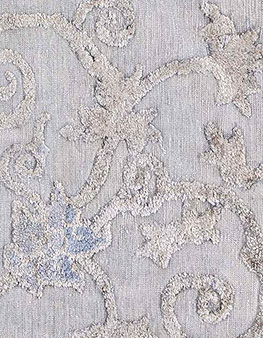
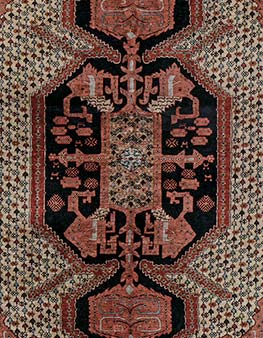
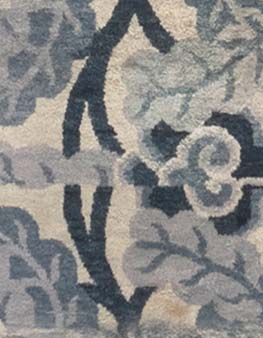
This category is especially relevant for buyers searching for vintage Chinese silk rugs, Khotan carpets, Samarkand rugs, and Yarkand-inspired designs. These pieces may feature pomegranate motifs, stylized florals, dragon references, fretwork borders, Art Deco geometry, or abstract fields in cream, beige, dusty rose, tan, purple, yellow, light gray, and coral tones. Silk gives these palettes a subtle shift under changing light, which is why designers often use vintage silk area rugs in formal living rooms, primary bedrooms, libraries, dressing rooms, and quiet seating areas where detail can be appreciated close up.
Construction matters. Many pieces in this category are hand-knotted silk rugs, sometimes with metal-thread accents or fragment formats that can be used as long runners, wall pieces, or architectural textile details. Silk has a finer hand than wool and can hold crisp pattern definition, making it valuable for floral drawing, precise borders, and compact geometric repeats. At the same time, it requires thoughtful placement; silk rugs are generally best for lower-traffic areas rather than heavy family circulation, dining spills, or wet entry points.
How to Choose a Vintage Silk Rug
For a luxury rug purchase, the best choice is rarely based on color alone. Scale, room use, furniture layout, pile condition, pattern density, and the relationship between the rug and surrounding materials all affect the result. A pale Chinese floral silk rug can soften a tailored bedroom, while a Samarkand runner may give a corridor or gallery-like passage a stronger sense of rhythm. Designers working with antiques, modern furniture, lacquer, marble, walnut, bronze, or silk wallcovering often choose these rugs because they add refinement without requiring a heavily traditional room.
- Confirm dimensions against the furniture plan, including walking space around seating or beds.
- Review condition, pile, edges, and any fragment designation before specifying placement.
- Consider how silk sheen will change from daylight to evening lighting.
- Use tighter patterns where visual detail is desired and calmer fields for restful rooms.
- For high-traffic needs, compare vintage silk with wool or wool-and-silk alternatives.
Decorative Value for Luxury Interiors
A vintage silk carpet can serve as the quiet focal point of a room, particularly when its drawing, palette, and surface relate to fine furniture and art. These rugs are also useful for collectors who appreciate textile history but want pieces that function beautifully in present-day interiors. If an exact size or color direction is required and a vintage piece is not practical, Doris Leslie Blau can also discuss custom made rugs and made-to-order silk or wool-and-silk options inspired by appropriate design references. The goal is the same: a rug selected for authenticity, proportion, craftsmanship, and lasting decorative value.