

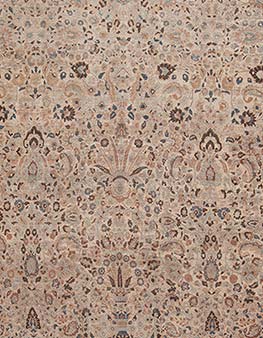
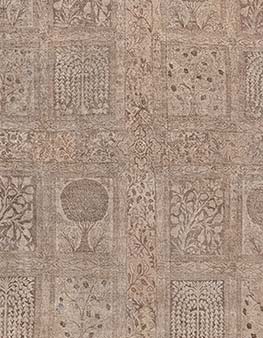
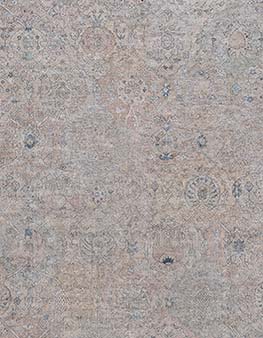
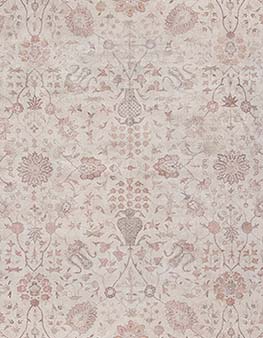
Wool Antique Rugs for Refined Interiors
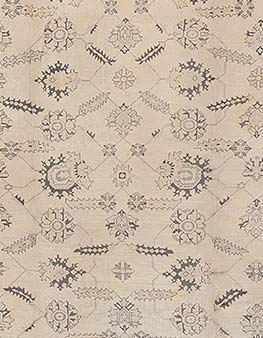
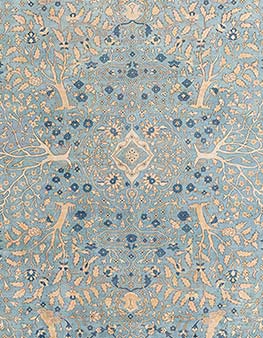
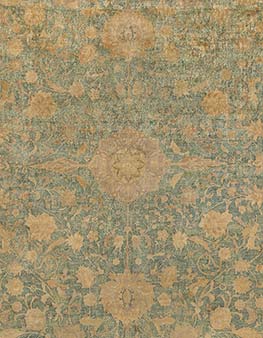
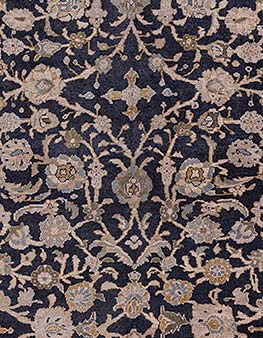
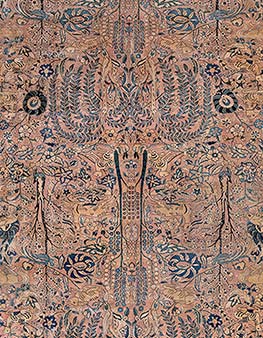
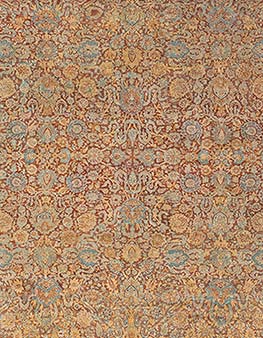
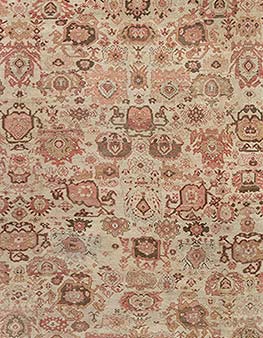
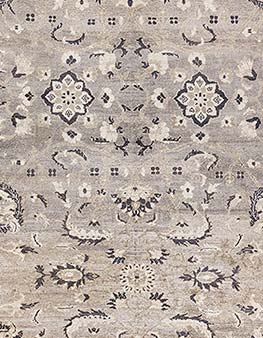
Wool antique rugs remain among the most versatile and sought-after floor coverings for collectors, interior designers and luxury homeowners. Their value lies not only in age, but in the depth of hand-spun wool, the discipline of the weave, the quality of natural color, and the way decades of use create a surface that new rugs cannot simply duplicate. In this collection, buyers will find antique Persian rugs, Oriental carpets, European carpets, tribal weavings, palace-scale decorative rugs and rare hand-knotted wool carpets suited to both historically informed and contemporary interiors.
Doris Leslie Blau has sourced antique rugs from estates, auctions, dealers and private collections since 1965, a background that is especially relevant in a wool antique rug category where condition, provenance clues and decorative merit must be read carefully. Wool is prized for resilience, warmth and nuanced dye absorption, making it the foundation of many great weaving traditions. A fine antique wool rug can soften a modern room, anchor formal architecture, add pattern to a neutral scheme, or introduce an important historic object without overwhelming the interior.
Origins, Weaving Traditions and Decorative Range
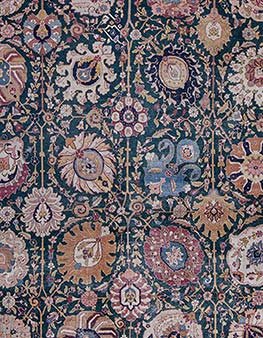
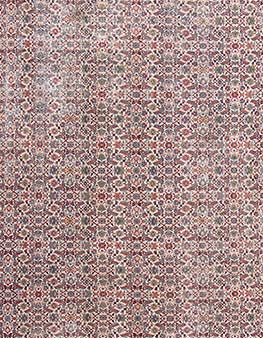
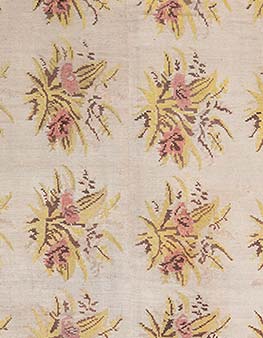
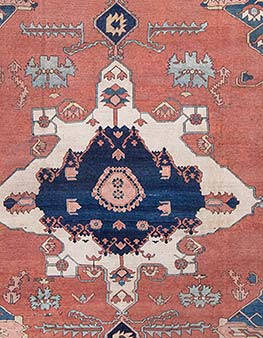
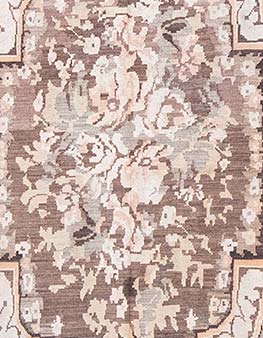
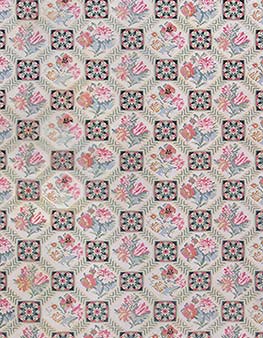
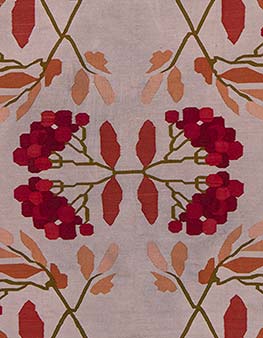
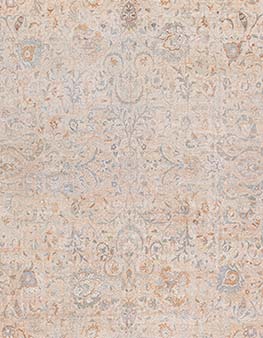
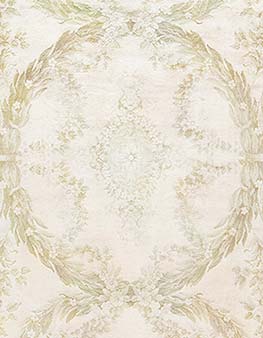
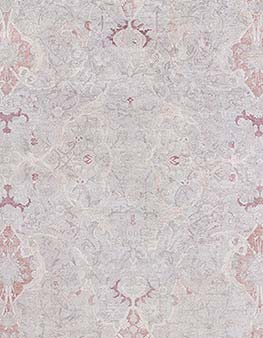
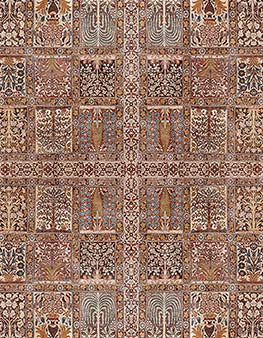
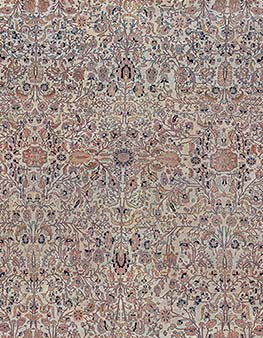
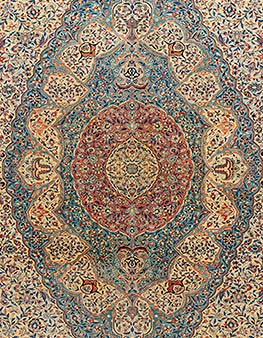
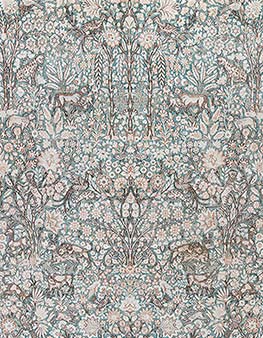
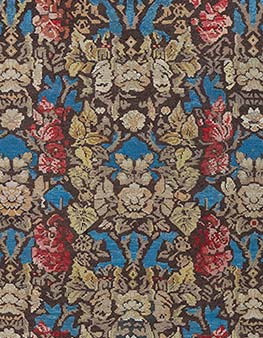
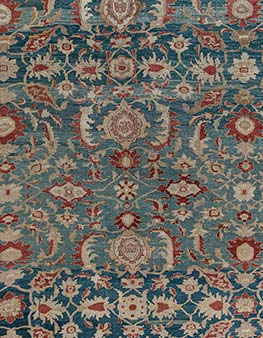
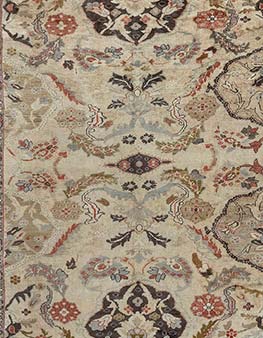
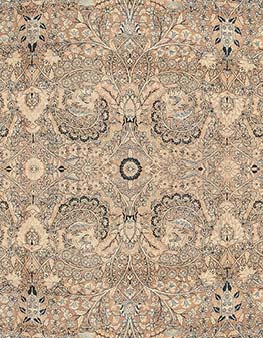
The category spans major antique rug centers and styles, including Tabriz, Kirman, Kashan, Meshad, Bidjar and Sultanabad Persian rugs; Oushak and other Turkish carpets; Indian Agra and Amritsar carpets; French Aubusson and Savonnerie designs; English Axminster rugs; Russian and Bessarabian flatweaves; and Spanish or Caucasian examples where available. Patterns range from allover floral fields and classical medallions to geometric, tribal and architectural designs. Some pieces offer grand, room-defining formality, while others are valued for abrash, relaxed drawing, softened palettes and a more decorative, livable character.
How to Evaluate an Antique Wool Rug
Serious buyers should look beyond color alone. Antique rugs are typically 100+ years old, but the strongest examples combine age with artistry, usable condition and a scale that works in the intended room. Doris Leslie Blau listings help shoppers compare dimensions, origin, approximate date, construction and visual character before requesting further details. For designers, the right wool antique carpet can determine the entire scheme: a large Sultanabad may set the palette for a living room, while a refined Tabriz or Kirman can bring structure and detail to a dining room, library or primary bedroom.
- Review origin, date and weaving type to understand the rug’s tradition.
- Match scale carefully, especially for oversized rooms, runners and seating groups.
- Consider wool quality, pile, patina, repairs and overall condition.
- Compare palette and pattern density with existing upholstery, art and architecture.
- Use visible pricing and dimensions to narrow serious candidates efficiently.
Choosing Wool Antique Rugs for Modern Luxury Rooms
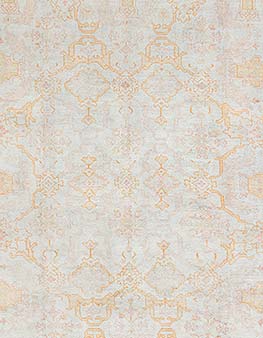
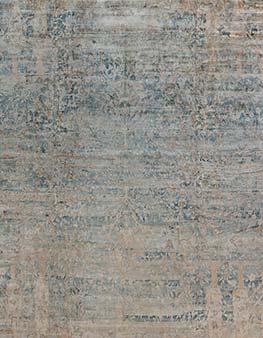
A wool antique rug does not require a traditional room. In high-end interiors, antique carpets often create the most compelling contrast: a softly worn Persian rug under clean-lined furniture, an Oushak in a pale architectural space, or a Bessarabian flatweave in a layered library. Their hand-knotted construction and natural materials give them physical presence, while aged color can make even large patterns feel calm. For open-plan residences and large city apartments, oversized wool antique rugs are particularly useful because they define zones without adding visual heaviness.
When an antique piece is visually ideal but the size is not workable, custom made and made-to-order rugs can be considered as a complementary solution rather than a substitute for antique provenance. Doris Leslie Blau offers both historic rugs and custom rug capabilities, allowing designers to balance authenticity, scale and project requirements. Whether the goal is a rare collector’s carpet, an antique area rug for everyday living, or a decorative wool rug that brings character to a polished interior, this category provides a serious starting point for informed selection.