





Art Deco Rugs
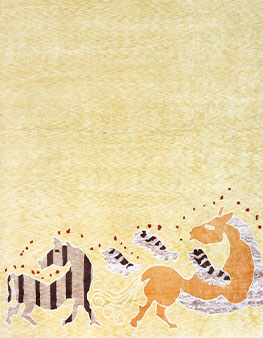
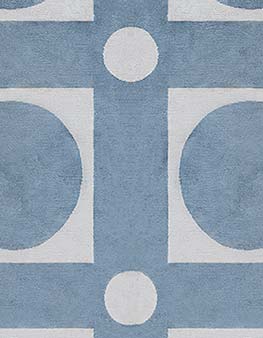
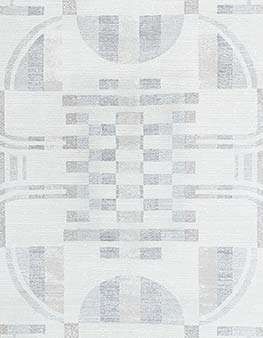
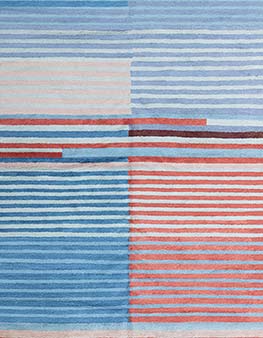
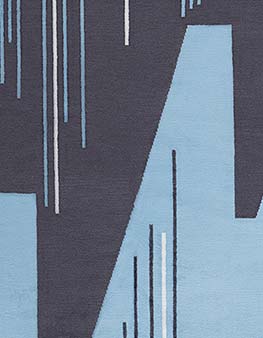
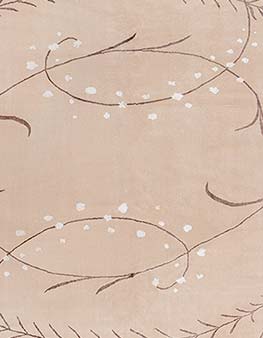
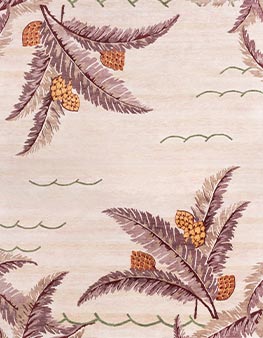
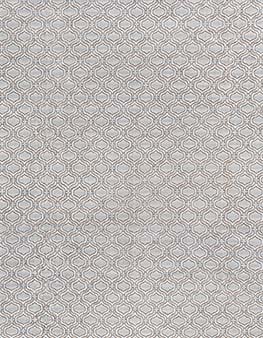
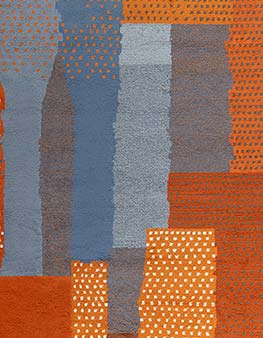
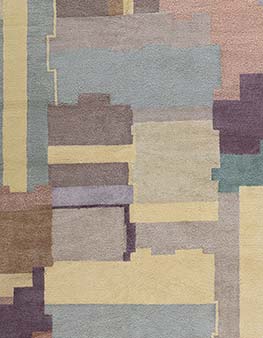
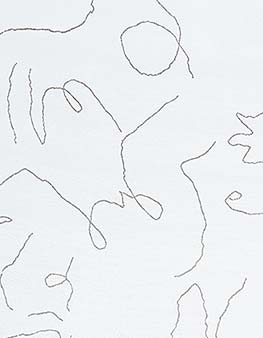
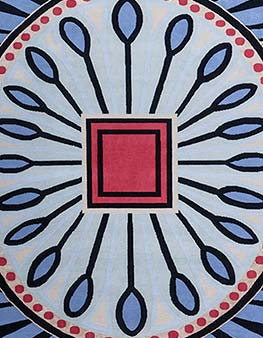
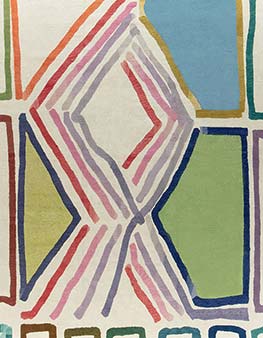
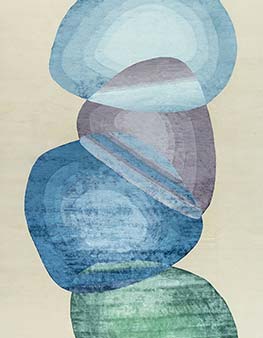
Art Deco rugs bring structure, polish, and graphic clarity to rooms that need more than a neutral floor covering. This Doris Leslie Blau collection focuses on new and contemporary Art Deco-inspired carpets, including geometric, abstract, floral, striped, and architectural designs in hand-knotted wool, silk, wool-and-silk blends, cotton, banana silk, and refined flatweave constructions. The look is rooted in the great Deco language of the 1920s and 1930s, but these rugs are made for present-day interiors: larger seating plans, open living spaces, galleries, bedrooms, libraries, dining rooms, and hospitality-scale rooms where proportion matters.
Art Deco design for luxury interiors
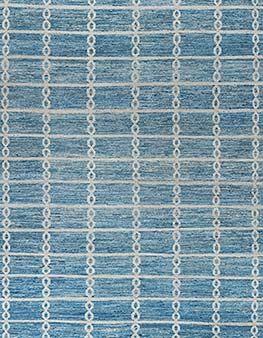
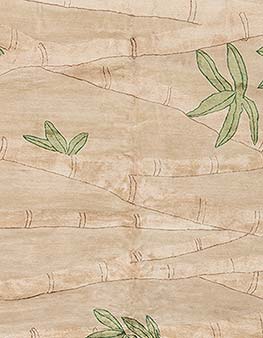
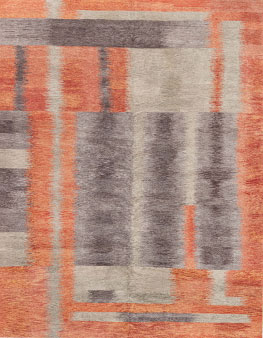
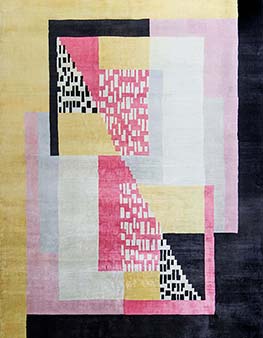
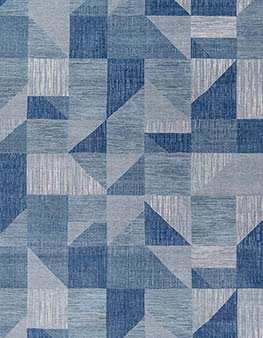
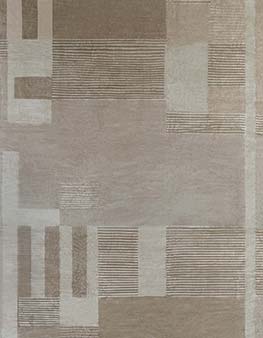
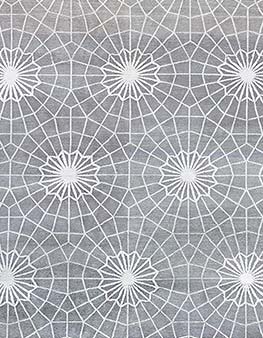
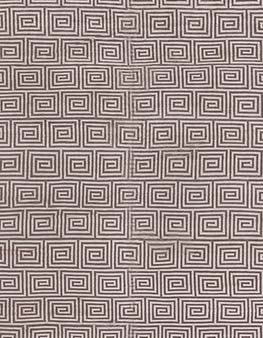
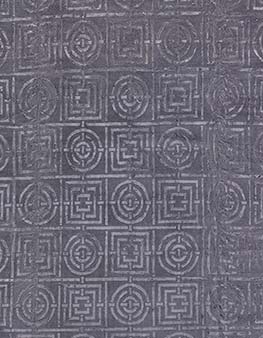
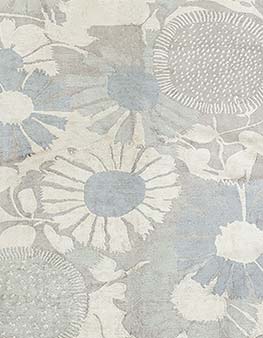
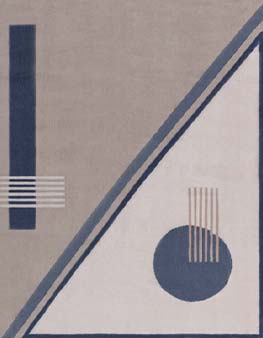
The appeal of an Art Deco rug lies in disciplined ornament. Stepped forms, sunburst rhythms, Greek key motifs, fan patterns, stylized botanicals, latticework, and Bauhaus-influenced geometry can define a room without overwhelming the furniture. In a modern apartment, a slate gray or ivory Deco carpet can sharpen minimalist upholstery. In a traditional interior, warm tan, taupe, or muted blue designs can connect antique wood, bronze lighting, lacquer, stone, and tailored seating. For interior designers, these rugs are especially useful because the pattern often reads clearly from a distance while still rewarding close inspection.
Doris Leslie Blau has sourced rare rugs and decorative carpets since 1965, and that long experience informs how new Art Deco rugs are selected and commissioned. The category includes hand-knotted area rugs, oversized carpets, runners, square formats, and room-size pieces that reference vintage Deco, French modernism, Viennese design, Scandinavian restraint, and abstract contemporary art. Some pieces use silk for luminous detail; others rely on wool for durability, depth, and a softer architectural presence. The result is a collection suited to collectors, architects, decorators, and homeowners who want Deco character with contemporary scale and condition.
How to choose an Art Deco rug
- Match the scale of the pattern to the room size and furniture layout.
- Use wool for resilient living areas and silk or wool-silk blends for added sheen.
- Consider oversized rugs for open plans, large salons, and dining rooms.
- Choose runners with linear motifs for hallways, entries, and gallery corridors.
- Compare warm neutrals, grays, blues, and taupes against upholstery and wall finishes.
When comparing Art Deco carpets, evaluate more than the first impression. Look at the weave, pile height, fiber content, border treatment, negative space, and how the rug’s geometry interacts with the architecture of the room. A bold Deco pattern can anchor a seating group; a quieter tonal design can add movement beneath sculptural furniture. For dining rooms, allow enough rug around the table for chairs to move comfortably. For bedrooms, consider whether the design should frame the bed symmetrically or soften the floor with a larger, calmer field.
New Art Deco rugs and custom possibilities
Because this is a new-rug category, custom made rugs and made-to-order Art Deco carpets can be especially relevant for design projects that require exact dimensions, a revised palette, or a different material balance. A Deco pattern can often be adapted for an oversized room, a narrow runner, or a specific wool-and-silk composition while preserving the integrity of the design. This is particularly useful when an antique or vintage Art Deco rug inspires the direction, but the project needs modern sizing, fresh condition, or a coordinated color story.
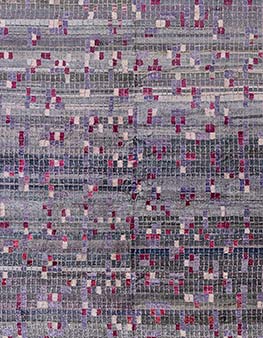
Each product listing allows buyers to evaluate practical details such as size, material, construction, dominant palette, and visible pricing before making an inquiry. Whether the goal is a quiet geometric wool rug for a tailored living room, a silk Deco carpet for a formal bedroom, or an oversized abstract rug for a contemporary residence, the collection is curated to balance craftsmanship, decorative value, and architectural presence.