

Sultanabad Rugs
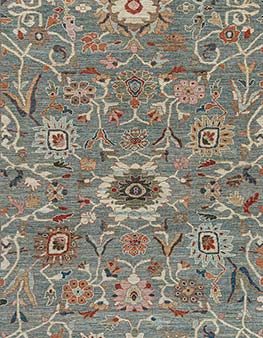
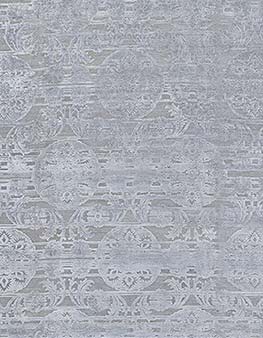
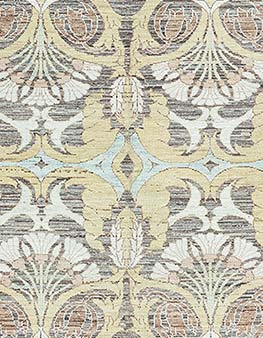
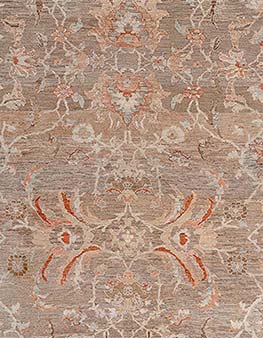
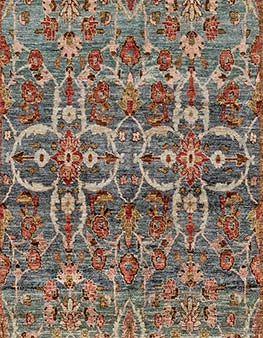
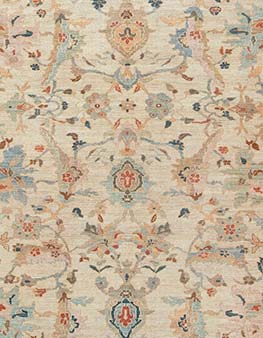
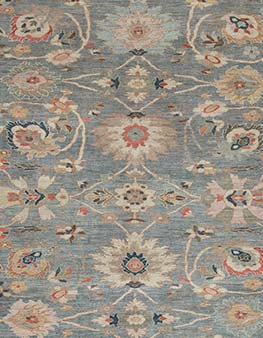
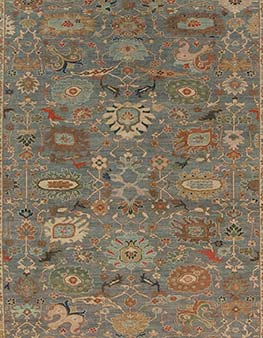
Sultanabad rugs are valued for their spacious drawing, decorative floral motifs, and ability to bring classical Persian character into interiors without feeling heavy or overly formal. In this Doris Leslie Blau category, the emphasis is on new, handmade Sultanabad-inspired rugs: pieces that reference the scale, botanical vocabulary, and relaxed elegance of historic Persian carpets while offering fresh palettes and practical dimensions for contemporary rooms. Many designs use soft beige, warm tan, cream, light gray, slate, and muted blue, making them especially adaptable for layered luxury interiors.
Persian Inspiration, Modern Interior Use
The original Sultanabad weaving tradition is associated with western Persia and with carpets made for grand domestic settings, often using large-scale vines, palmettes, medallions, and allover floral compositions. These new Sultanabad rugs translate that decorative language into handmade wool carpets suitable for today’s architecture, from formal sitting rooms to open-plan residences. Unlike antique Sultanabad carpets, which are typically 100+ years old, these pieces are chosen for clients who want antique-inspired design with newer construction, clearer sizing choices, and a palette that works with contemporary upholstery, stone, wood, and plaster finishes.
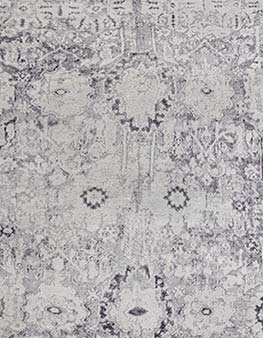
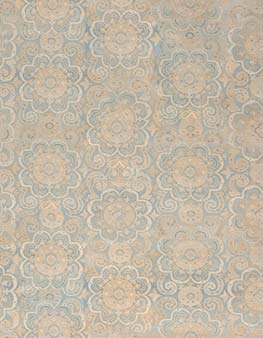
For interior designers, Sultanabad-style rugs are useful because they can anchor a room without dictating every design decision. A warm tan floral rug can soften modern furniture; a light gray damask carpet can calm a large entertaining space; a cream medallion design can add structure beneath a dining table without overwhelming the chairs. The pattern language is decorative, but the open spacing and subtle color relationships allow these rugs to coexist with antiques, custom upholstery, modern art, and architectural minimalism.
What to Evaluate Before Buying
When comparing handmade Sultanabad rugs, look beyond the overall color and study scale, weave, material, pattern placement, and room proportions. A rug with a central medallion may work best when furniture placement allows the design to remain visible, while an allover floral or damask layout can be more flexible under seating arrangements. Wool construction offers resilience and a pleasing hand, while the quality of the drawing determines whether the rug feels refined, casual, or strongly traditional.
- Choose oversized Sultanabad rugs for large living rooms, dining rooms, and gallery-like spaces.
- Use softer beige, cream, and gray palettes for calm transitional interiors.
- Select floral or damask patterns when the room needs movement and ornament.
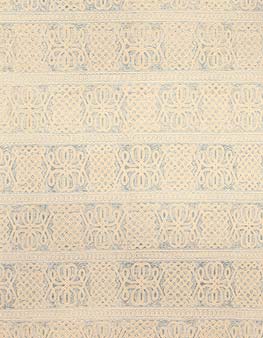
- Consider geometric Sultanabad designs for cleaner architecture and tailored furniture.
- Review listed dimensions carefully, including width, length, and furniture clearances.
Doris Leslie Blau Selection and Custom Possibilities
Doris Leslie Blau has sourced exceptional rugs for designers, collectors, and private clients since 1965, and that experience informs how new traditional rugs are evaluated. The best Sultanabad-inspired carpets are not simple reproductions; they depend on balanced proportions, considered color, quality wool, and a design that can hold its presence in a finished interior. This category includes room-size and oversized examples, with product listings that help buyers compare dimensions, materials, and visible pricing before requesting further details.
For projects requiring a specific scale, color adjustment, or format, custom made rugs and made-to-order options may be relevant alongside the ready-to-ship selection. A Sultanabad design can be particularly effective as a custom rug because its floral vocabulary adapts well to large rooms, long sightlines, and carefully coordinated color schemes. Whether the goal is a traditional Persian look, a softened transitional room, or a decorative anchor for a luxury residence, Sultanabad rugs offer pattern, warmth, and architectural balance.