



Vintage Striped Rugs
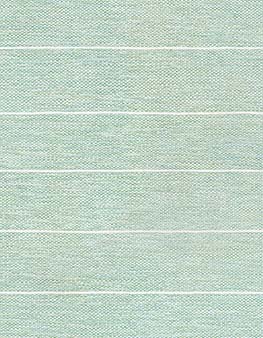
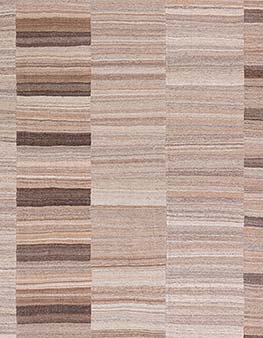
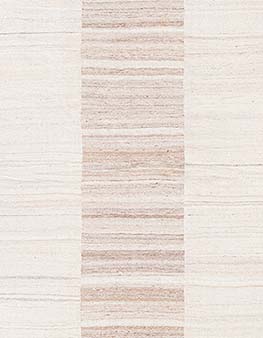
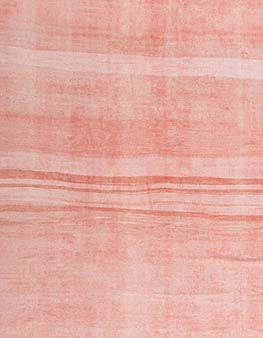
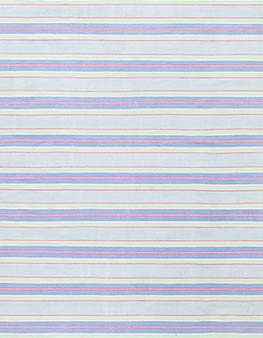
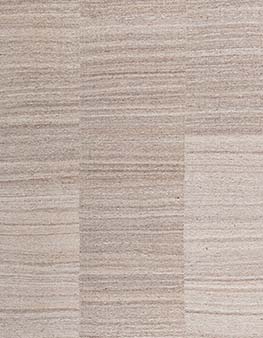
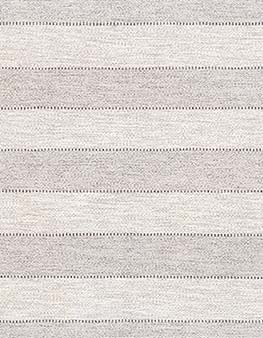
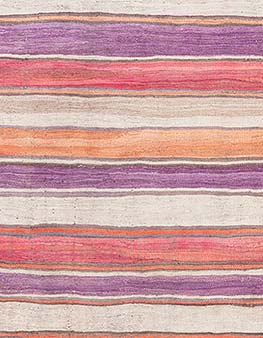
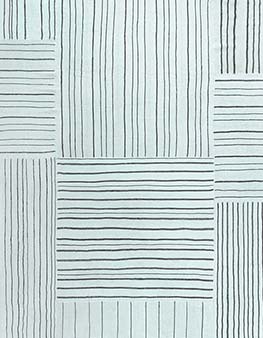
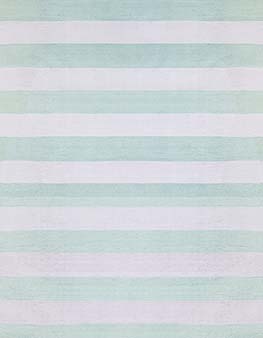
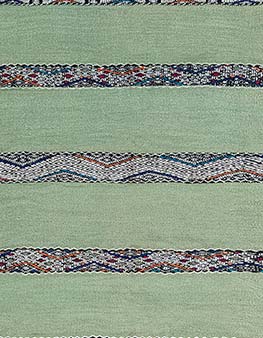
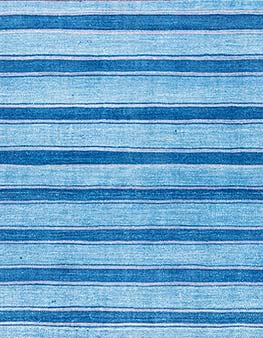
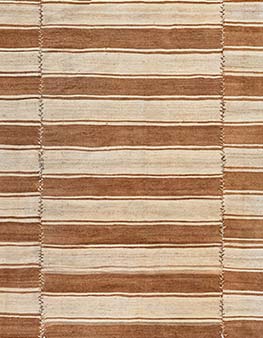
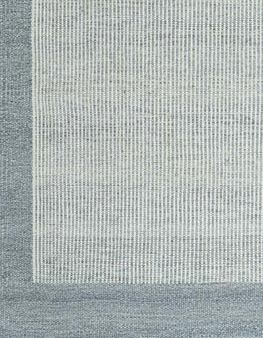
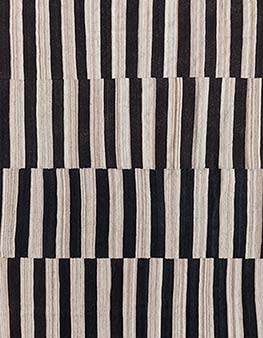
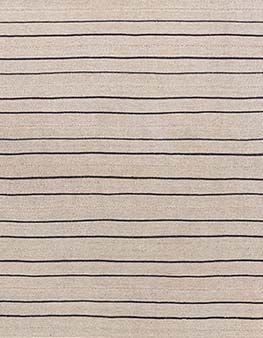
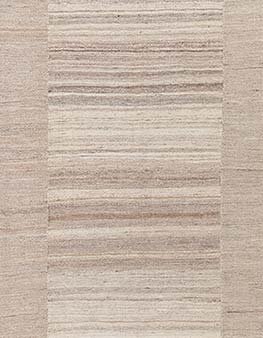
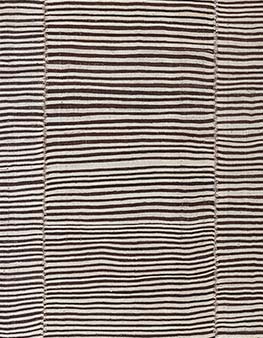
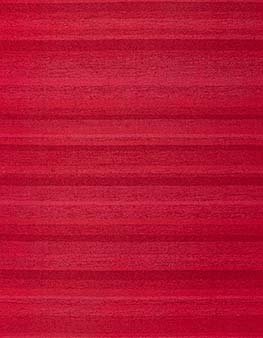
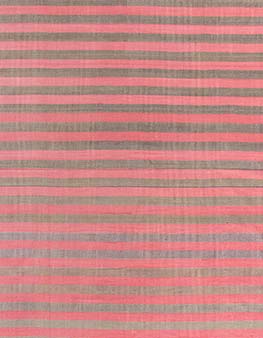
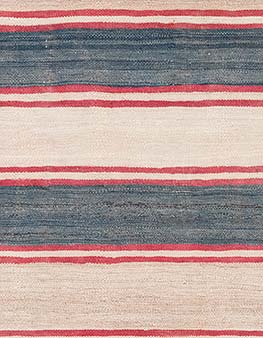
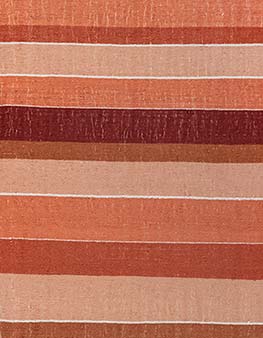
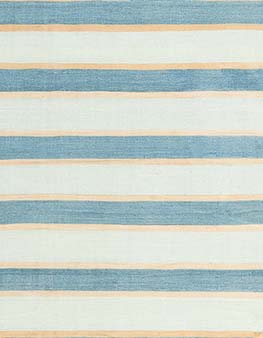
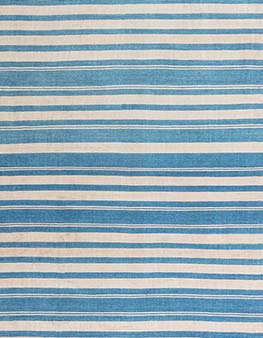
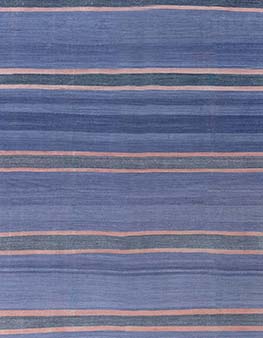
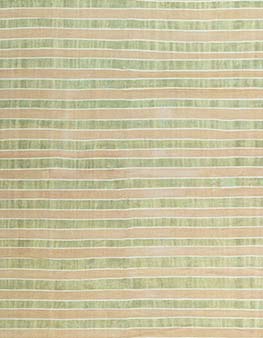
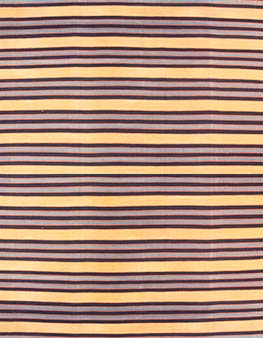
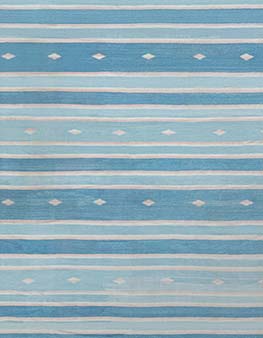
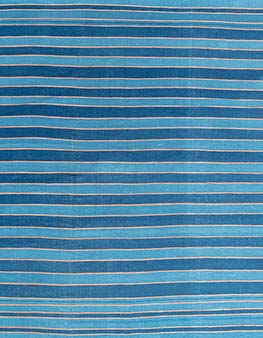
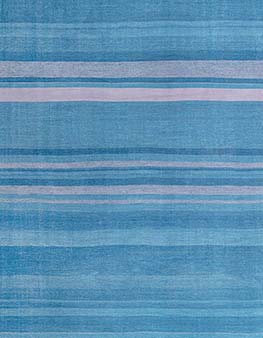
Vintage striped rugs bring architectural order, movement, and quiet sophistication to interiors without relying on heavy ornament. In this Doris Leslie Blau collection, the stripe appears across Persian hand-knotted wool carpets, Scandinavian and Swedish flatweaves, Moroccan rugs, Turkish pieces, and Indian dhurries, giving designers a broad range of scale, texture, and palette. Some rugs use subtle tonal bands in beige, ivory, gray, taupe, or warm tan; others introduce blue, mint, crimson, charcoal, lavender, or bolder mid-century color. The result is a category that works especially well in modern interiors, transitional rooms, beach houses, city apartments, galleries, libraries, and layered luxury homes.
Why striped rugs work in designed interiors
A striped rug can visually lengthen a room, organize furniture, or soften a space that already contains strong art, stone, wood, or upholstery. Narrow bands tend to feel refined and textile-like, while wider stripes make a stronger graphic statement. In large living rooms and open-plan spaces, an oversized striped carpet can create direction and unity; in halls and transitional areas, striped runners provide rhythm without competing with architectural detail. Because stripes are familiar but never static, they are useful for interiors that need pattern, proportion, and restraint at the same time.
The character of each rug depends on construction as much as pattern. Hand-knotted wool rugs often have depth, pile variation, and a more substantial floor presence, while flatweave dhurries and Scandinavian rugs sit lower, feel crisp under furniture, and suit rooms where a lighter profile is desired. Cotton flatweaves can feel casual and precise; wool flatweaves add warmth and resilience. Vintage examples may show gentle abrash, softened color, or irregularities that distinguish them from machine-made striped carpets and give the surface a more nuanced, collected look.
Origins, materials, and scale to consider
Doris Leslie Blau has sourced rugs directly from estates, auctions, dealers, and private collections since 1965, and that experience is especially valuable in a category where similar stripe patterns can differ greatly in quality. A vintage Persian striped rug may offer hand-knotted wool, tonal restraint, and generous scale, while an Indian dhurrie may provide a clean flatwoven geometry suited to relaxed contemporary rooms. Swedish and Scandinavian striped rugs often appeal to collectors and designers who value mid-century clarity, disciplined color, and the ability to pair with both antiques and modern furniture.
- Choose oversized striped rugs to define open seating areas or dining spaces.
- Use striped runners to add direction in corridors, entries, and stair-adjacent halls.
- Compare flatweave and pile construction based on furniture height and room traffic.
- Study palette carefully; neutral stripes read very differently from high-contrast bands.
- Check exact dimensions, condition, material, and origin before final selection.
Buying a vintage striped rug from Doris Leslie Blau
For serious buyers, the appeal of vintage striped rugs lies in their combination of decorative flexibility and textile individuality. Many pieces can support minimalist interiors, but they also work with antique furniture, contemporary art, plaster walls, linen upholstery, and richly veined stone. Designers often use striped rugs when a room needs structure without a central medallion or dense floral field. The best examples do more than fill a floor: they control proportion, connect colors, and introduce handmade surface character.
When a listed vintage rug is close but not exact for a project, Doris Leslie Blau can also discuss custom made rugs and made-to-order alternatives inspired by striped, geometric, Scandinavian, dhurrie, or modern flatweave designs. Custom sizing may be useful for unusually long rooms, oversized seating plans, narrow corridors, or interiors requiring a specific neutral or accent color. For one-of-a-kind vintage pieces, review the visible pricing, dimensions, construction, and product details; for bespoke needs, consider how scale, stripe width, fiber, and color will function in the finished room.