

Large Antique Rugs
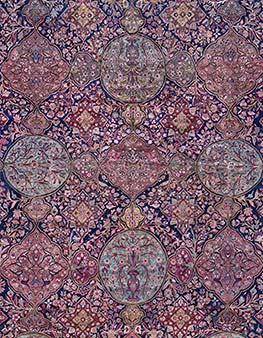
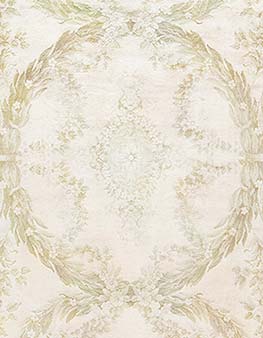
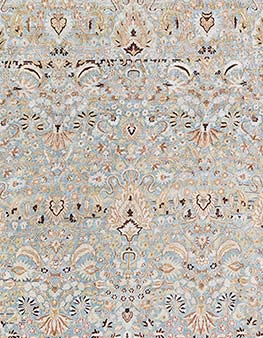
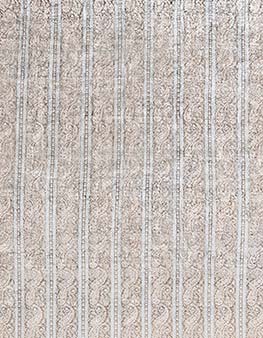
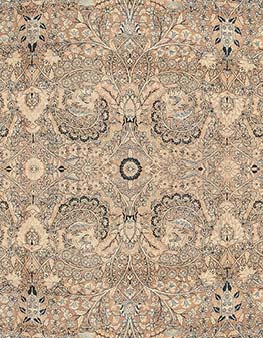
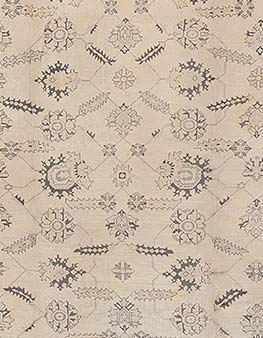
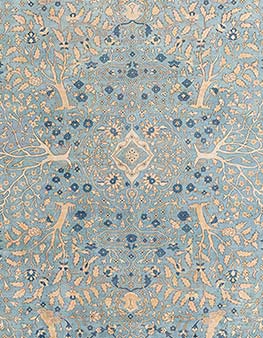
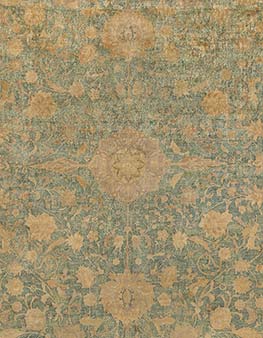
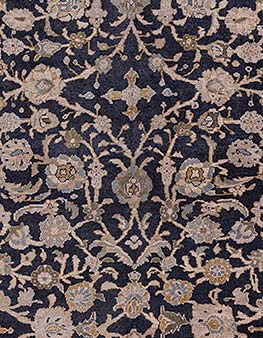
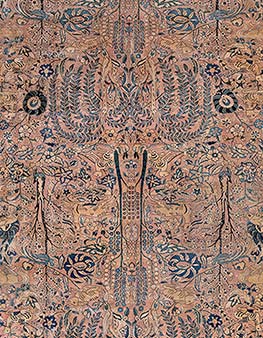
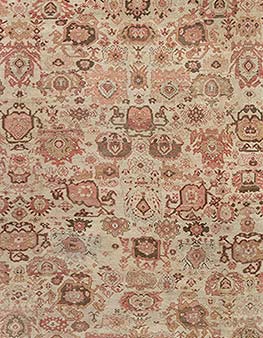
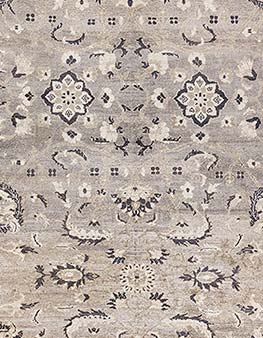
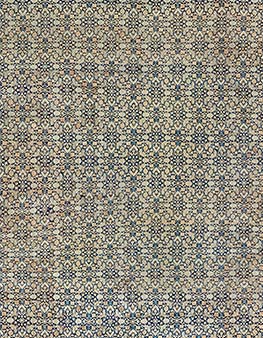
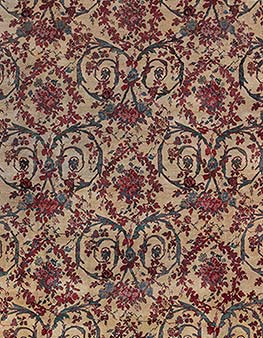
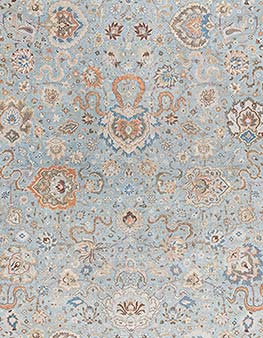
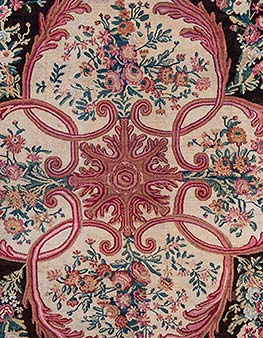
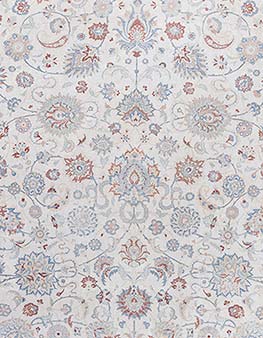
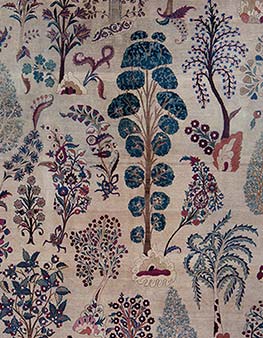
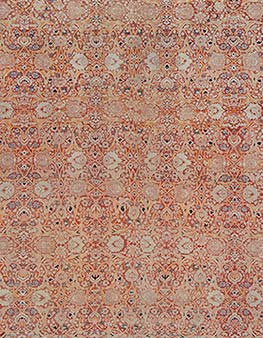
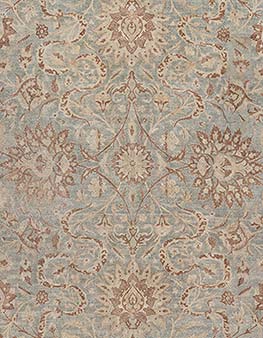
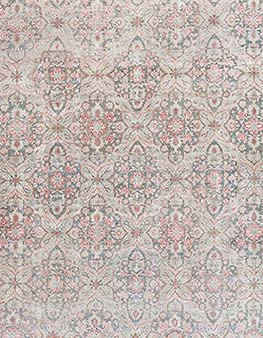
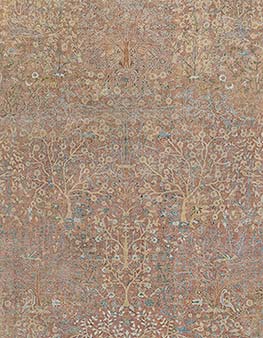
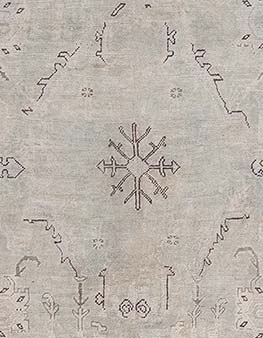
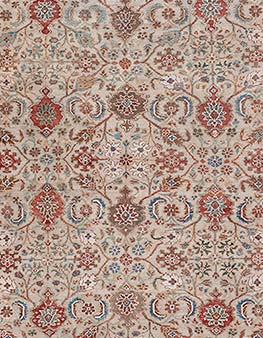
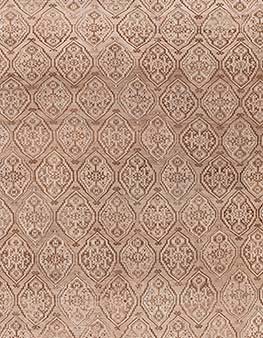
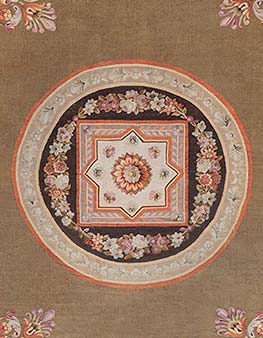
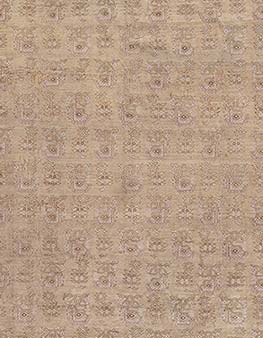
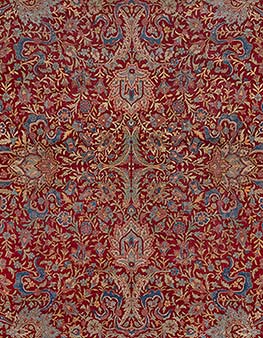
Large antique rugs bring proportion, history, and visual structure to rooms where a standard area rug would feel underscaled. In this Doris Leslie Blau category, buyers can evaluate hand-knotted carpets associated with Persian, Oriental, European, Indian, and other historic weaving traditions, including examples from noted centers such as Sultanabad, Kirman, Kashan, Bidjar, Meshad, Savonnerie, and related decorative schools. Many pieces are antique or early twentieth-century carpets chosen for their scale, palette, condition, pattern clarity, and usefulness in high-end interiors, from formal living rooms to dining rooms, libraries, galleries, and principal bedrooms.
Why scale matters in antique carpets
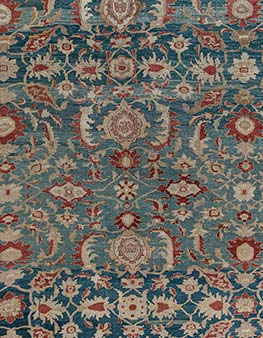
A large rug is not simply a bigger version of a small one. Its design must hold together across a broad field, balance furniture placement, and create a coherent visual foundation. Allover floral patterns, medallion compositions, palace-scale designs, open fields, and border systems behave differently in large rooms. A well-chosen oversized antique carpet can connect seating groups, soften architectural surfaces, and add depth without forcing the room into a period look. For interior designers, large antique area rugs are especially valuable because they provide color, pattern, texture, and provenance in a single architectural gesture.
Doris Leslie Blau has sourced rugs directly from estates, auctions, dealers, and private collections since 1965, a perspective that matters when comparing large antique rugs online. At this scale, buyers should look beyond beauty alone and consider age, origin, knotting, wool quality, silk highlights where present, restoration history, and how the palette will read in natural and artificial light. Decorative value is often found in the relationship between patina and usability: a soft Abrash, mellowed dyes, worn-but-stable wool, or refined drawing can make an antique carpet feel deeply appropriate in a modern luxury interior.
How to choose a large antique rug
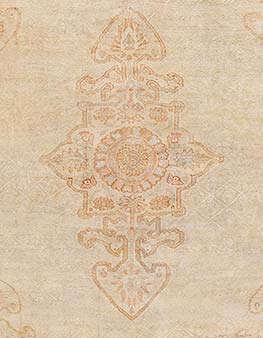
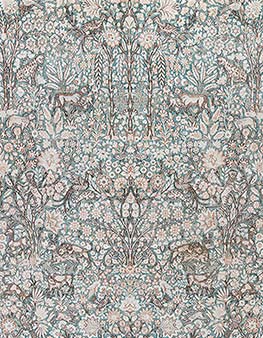
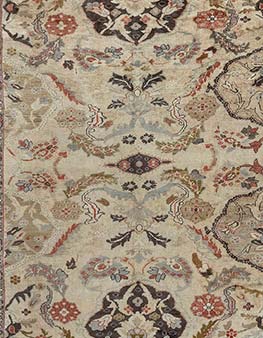
When reviewing large antique Persian rugs, Oriental carpets, and European rugs, begin with the room’s architecture and intended furniture plan. A dining room usually needs generous clearance beyond the table and chairs; a living room may require a carpet large enough to anchor all primary seating; a bedroom often benefits from a wider format that extends beyond the bed. Palette is equally important. Light beige, soft ivory, faded teal, warm taupe, muted red, blue, and gold tones can each shift the mood of a room, while floral, geometric, tribal, and workshop patterns offer different levels of formality.
- Measure the room and furniture plan before comparing rug dimensions.
- Review material, weave, and condition alongside color and pattern.
- Consider whether Persian, Oriental, European, or Indian design language suits the interior.
- Use large allover patterns for flexible furniture layouts.
- Choose stronger borders or medallions when the room needs architectural definition.
- Ask whether a custom made rug is better if exact sizing is essential.
Hand-knotted wool rugs remain the core of many large antique collections because wool offers durability, depth of color, and a tactile surface that improves a room’s acoustics and atmosphere. Silk, when used, may appear as a refined accent or in more delicate pieces suited to lower-traffic settings. Condition should be judged in context: honest age, expert conservation, and stable structure are different from distracting wear. Serious buyers should also consider whether a rug’s age and provenance indicators support the desired level of collector interest or whether the primary goal is decorative impact.
Doris Leslie Blau for large rugs and custom alternatives
Large antique rugs are finite by nature, and finding the right combination of size, origin, palette, and condition can be highly specific. Doris Leslie Blau presents visible pricing on product listings so designers, collectors, and homeowners can compare options with greater clarity. When an antique piece is not the right size or a project requires a controlled palette, the gallery’s custom made and made-to-order rug capabilities can provide a complementary path. The strongest choice may be a rare antique carpet with authentic patina, or a custom rug developed for exact dimensions; both serve the same purpose when selected with discipline: giving a luxury interior scale, craftsmanship, and lasting design value.