




Geometric Vintage Rugs
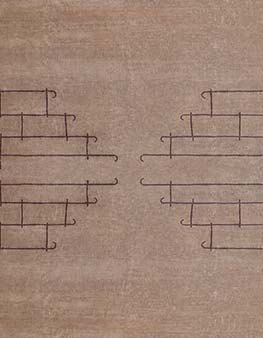
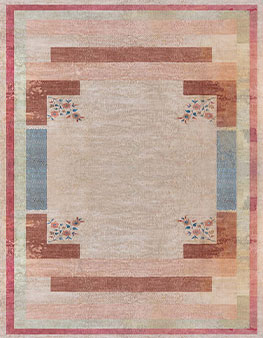
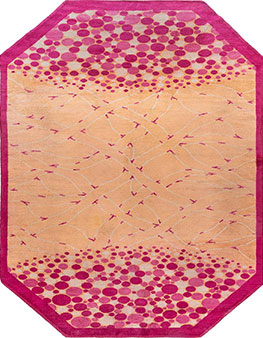
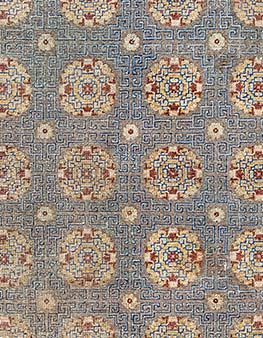
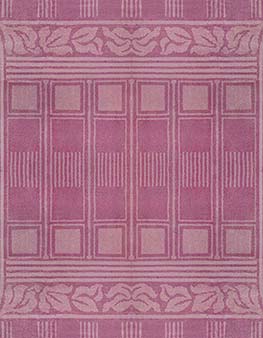
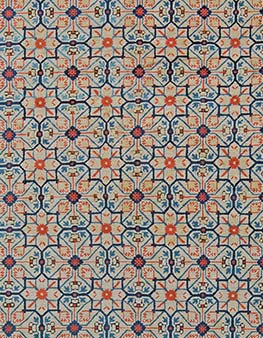
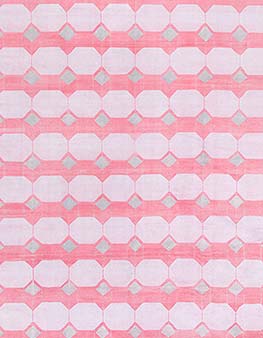
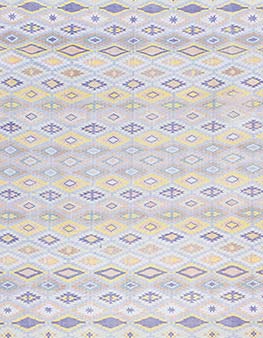
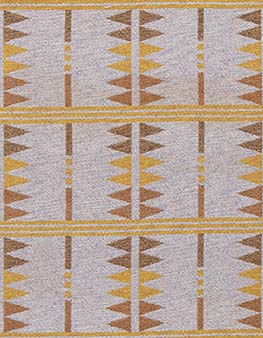
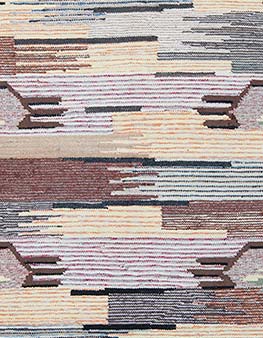
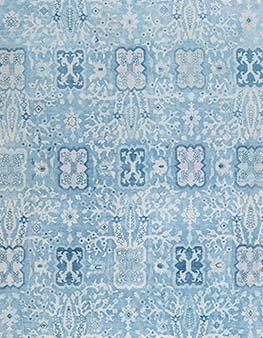
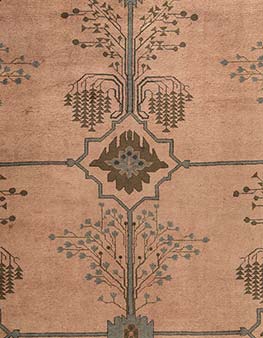
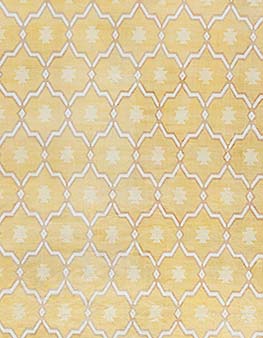
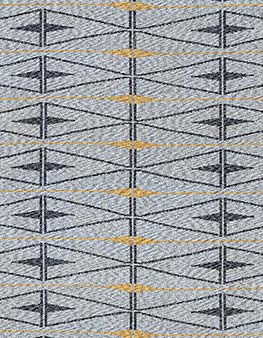
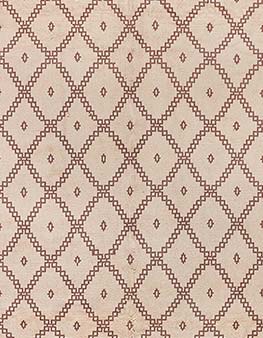
Geometric vintage rugs are prized by interior designers because they do more than fill a floor: they organize a room. A strong grid, diamond repeat, Greek key border, checkerboard field, or abstract linear motif can sharpen a furniture plan, balance organic architecture, or give a quiet room a precise point of view. The Doris Leslie Blau selection brings together vintage geometric rugs from Swedish, Scandinavian, Moroccan, Indian Dhurrie, Chinese, Spanish, Art Deco, and mid-century traditions, with pieces chosen for design clarity, material quality, scale, and decorative relevance.
Vintage geometry across weaving traditions
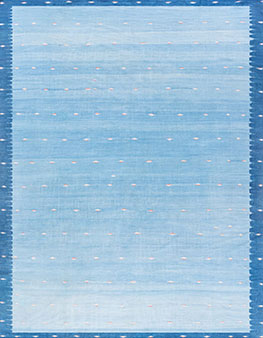
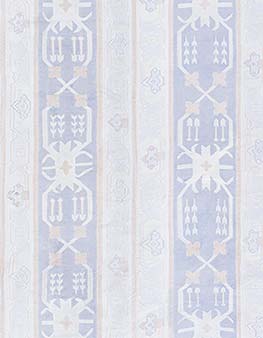
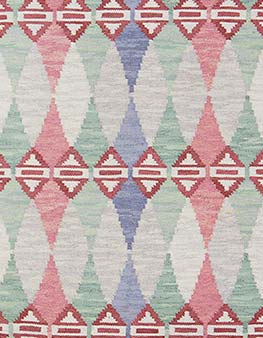
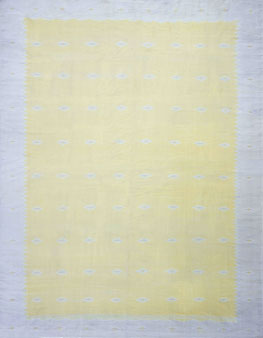
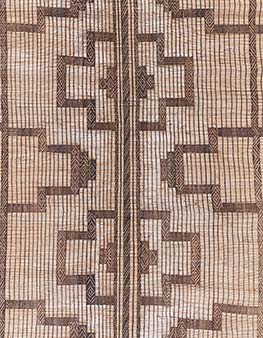
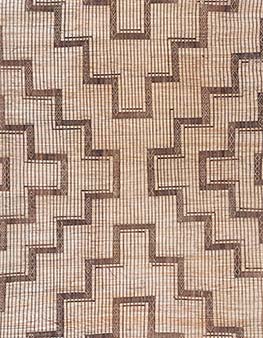
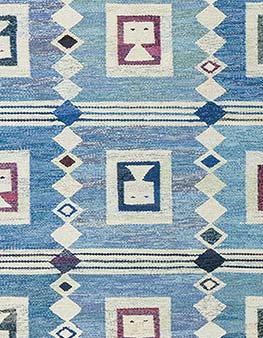
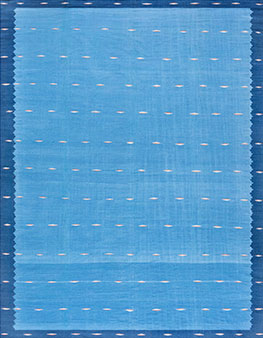
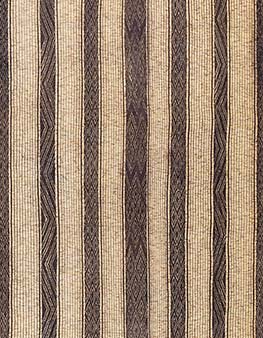
The category includes both hand-knotted rugs and flatweave carpets, each with a different visual and tactile character. Swedish and Scandinavian flatweaves often use disciplined modernist geometry, soft wool, and restrained palettes that work beautifully in galleries, libraries, bedrooms, and modern living rooms. Indian Dhurries contribute crisp cotton construction, graphic borders, and expansive sizes that suit casual luxury interiors. Moroccan vintage rugs may feature bolder tribal geometry, warm neutrals, and textured wool or mixed natural materials, while Art Deco and mid-century examples bring architectural rhythm, symmetry, and color blocking.
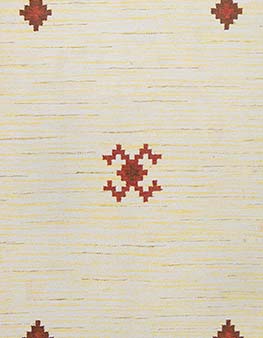
Unlike newly produced decorative rugs, vintage geometric carpets carry surface character developed through age, use, and handwork. Subtle abrash, softened color, irregular line quality, and evidence of the weaver’s hand can make a geometric composition feel warmer and more individual than a perfectly mechanical pattern. Many buyers compare these rugs with antique area rugs, modern rugs, and custom made rugs because geometric design sits comfortably between collectible textile history and contemporary interior planning.
- Review construction: hand-knotted rugs offer pile and depth, while flatweaves give a lower, lighter profile.
- Consider scale: oversized geometric rugs can define open-plan rooms without heavy ornament.
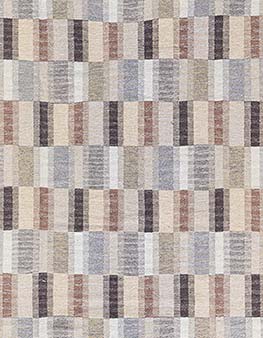
- Study palette: warm tan, ivory, gray, slate, blue, rose, and lavender tones change the mood of the pattern.
- Match pattern density to the room: bold diamonds energize, while small repeats feel quieter and more architectural.
- Check size and condition carefully, especially for vintage runners, square rugs, and room-size carpets.
Choosing scale, color, and pattern for luxury interiors
A geometric rug should be selected in relation to the architecture and furniture, not just by color. A large Swedish flatweave can create a calm foundation under clean-lined seating, while a long Dhurrie or Moroccan runner can add direction to a corridor or gallery. Oversized geometric rugs are especially useful for luxury interiors where a single carpet must connect multiple seating areas. In smaller rooms, a high-contrast pattern may become the central design element; in larger spaces, softer neutrals or tone-on-tone geometry can provide structure without visual noise.
Curated vintage rugs with design flexibility
Doris Leslie Blau approaches geometric vintage rugs as collectible decorative objects and as practical design tools. Each piece can be evaluated by origin, period, material, weave, condition, color, and room suitability, giving collectors, architects, and luxury homeowners the information needed to compare options confidently. For projects where an original vintage rug is not available in the exact dimensions required, a custom made rug inspired by a related geometric language may be considered, allowing the spirit of vintage design to be adapted to a specific plan while preserving the importance of craftsmanship, proportion, and material quality.