

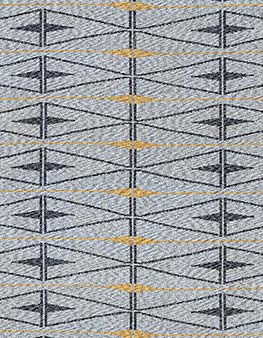


Vintage Flatweave Rugs
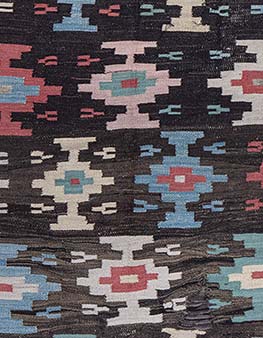
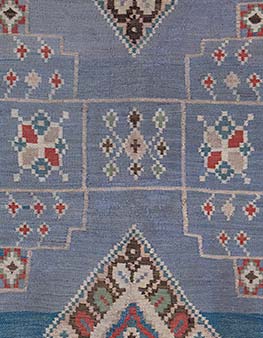
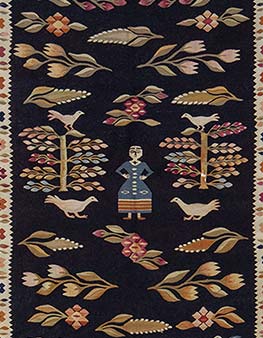
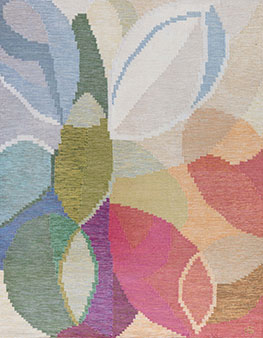
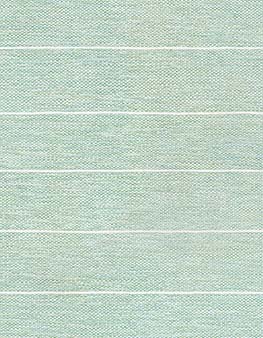
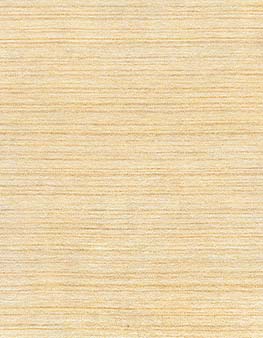
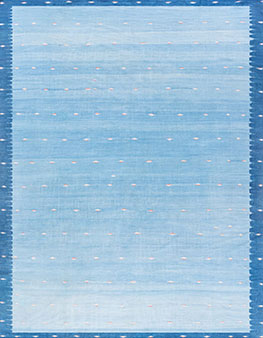
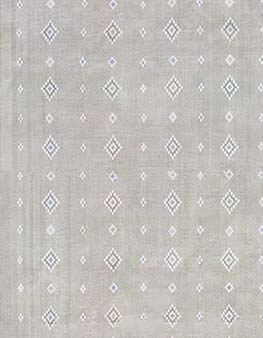
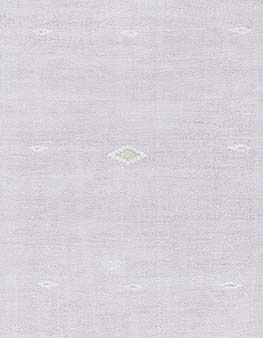
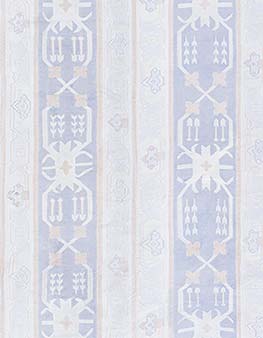
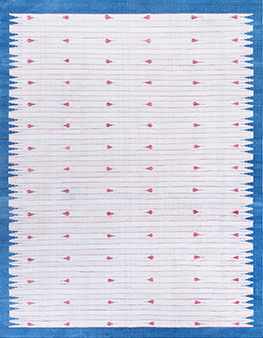
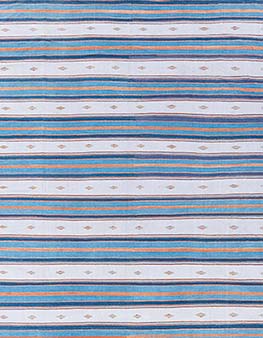
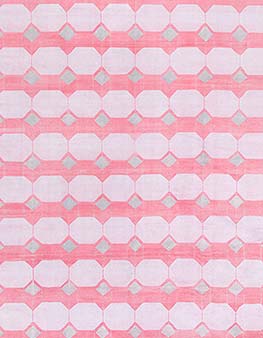
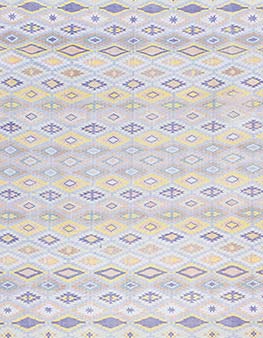
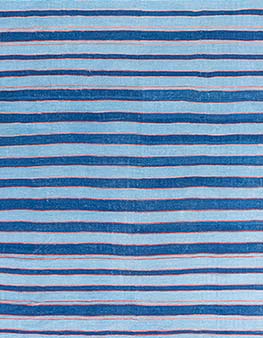
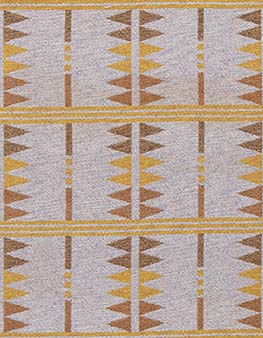
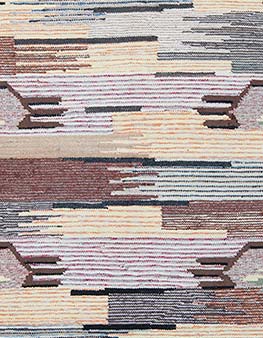
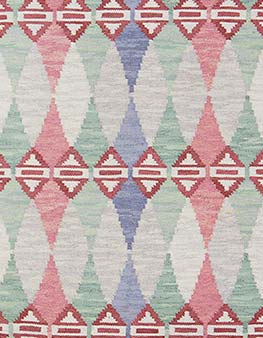
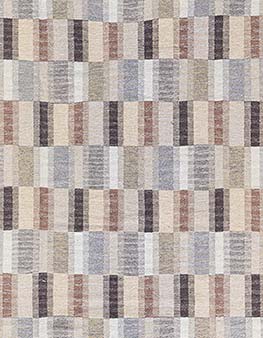
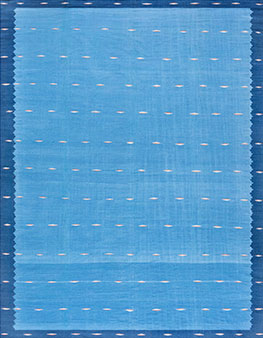
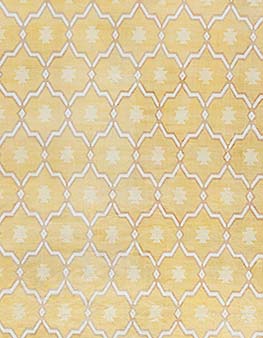
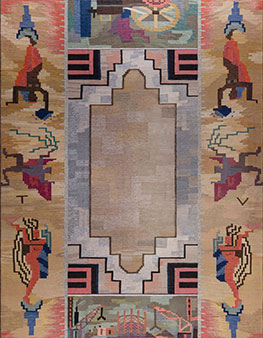
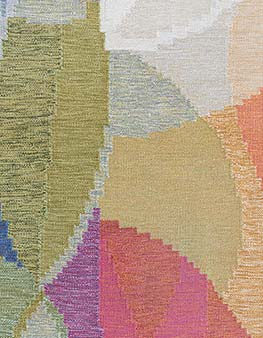
Vintage flatweave rugs are prized for their architectural clarity: they bring pattern, color, and texture into a room without the height of a pile carpet. Woven rather than knotted, these rugs have a lean profile that works especially well under dining tables, in sitting rooms, bedrooms, libraries, galleries, and layered interiors where furniture legs must sit cleanly. At Doris Leslie Blau, the category includes Scandinavian and Swedish flatweaves, Indian dhurries, kilim-influenced designs, geometric mid-century carpets, soft neutrals, bold stripes, and large-scale decorative pieces selected for serious interiors.
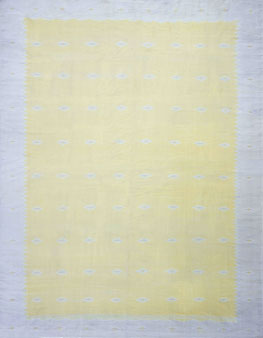
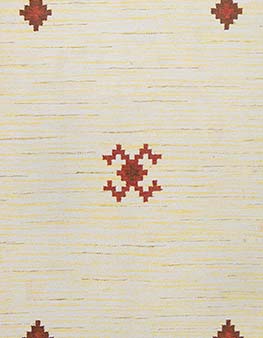
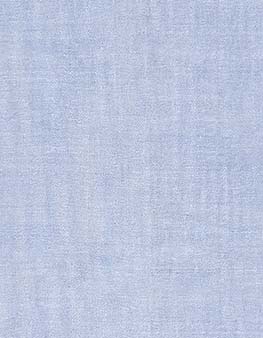
Unlike many generic vintage rug offerings, this collection is curated with the same eye used for antique carpets and rare decorative rugs: origin, age, weave, material, condition, design quality, and scale all matter. A pale Swedish wool flatweave can give a contemporary room quiet structure, while a cotton Indian dhurrie in lavender, blue, sand, or pink can introduce a refined, more relaxed rhythm. Since 1965, Doris Leslie Blau has sourced rugs from estates, auctions, dealers, and private collections, giving designers and collectors access to pieces with strong decorative presence and practical design range.
Why Designers Choose Flatweave Vintage Rugs
Handwoven flatweaves are unusually versatile because their construction is firm, flexible, and visually precise. Many vintage examples rely on geometric pattern, broken stripes, abstract fields, or restrained floral motifs rather than heavy ornament, making them compatible with modern furniture, Scandinavian design, traditional architecture, and transitional interiors. Wool flatweaves often provide warmth and resilience, while cotton dhurries can offer a lighter surface and crisp color. The best pieces have balance: a convincing palette, well-proportioned pattern, usable dimensions, and the softened character that comes only with age.
- Check the exact width and length against furniture placement, not just room size.
- Compare wool and cotton flatweaves for texture, weight, and intended use.
- Look closely at color: many vintage flatweaves use nuanced neutrals, faded pastels, or graphic contrasts.
- Consider whether a signed Scandinavian piece or rare mid-century design adds collectible value.
- Review condition and restoration notes as part of the buying decision.
- For unusual rooms, compare vintage inventory with made-to-order possibilities.
Swedish, Scandinavian, Indian Dhurrie and Kilim Influences
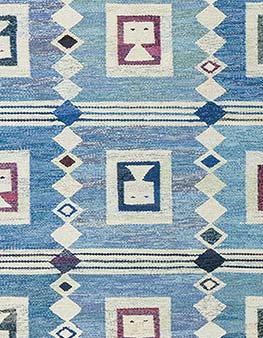
Swedish flatweave rugs and broader Scandinavian examples are particularly admired for disciplined geometry, serene palettes, and the way they bridge folk craft with modernist interiors. Signed or attributed mid-century pieces by notable designers can be especially desirable for collectors and design professionals. Indian dhurries, by contrast, often offer generous scale, clear stripes, Greek key borders, or large geometric fields in cotton, making them useful for bedrooms, informal living areas, and airy contemporary spaces. Kilim-influenced vintage flatweaves bring a more global decorative vocabulary, with tribal, abstract, or graphic patterning suited to layered interiors.
Choosing the Right Size, Palette and Custom Alternative
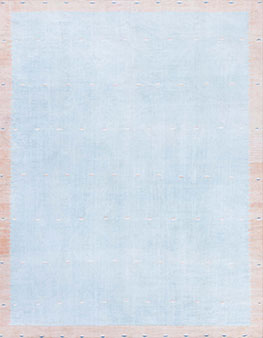
Because flatweaves sit low to the floor, proportion becomes especially important. Oversized flatweave rugs can unify open-plan living rooms, dining rooms, and loft-like spaces without overwhelming the architecture, while smaller rugs and runners can define passages, bedsides, dressing areas, and seating groups. Designers should evaluate edge treatment, squareness, pattern repeat, and how the rug’s colors behave under natural and artificial light. If a vintage rug has the right spirit but not the exact dimensions, Doris Leslie Blau can also discuss a made-to-order flatweave rug or custom size inspired by compatible colors, patterns, and construction methods.