




Small Vintage Rugs for Luxury Interiors
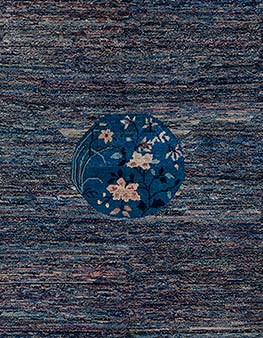
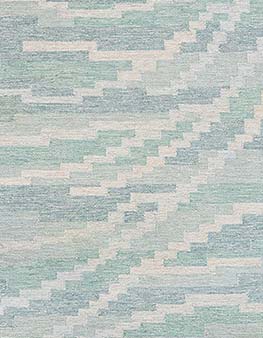
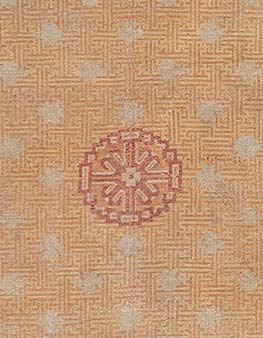
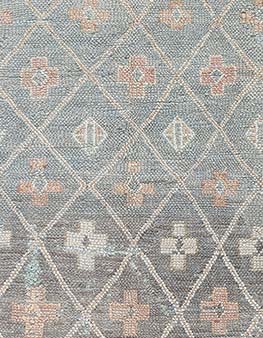
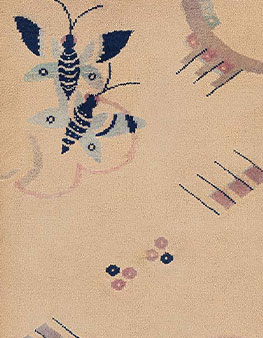
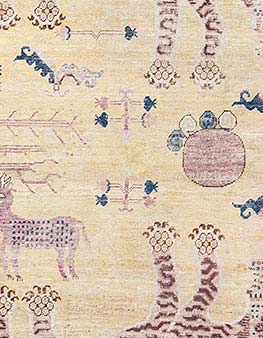
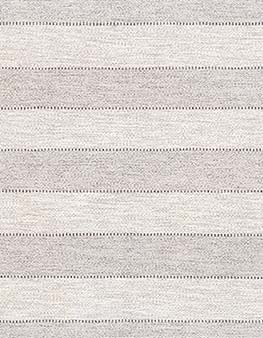
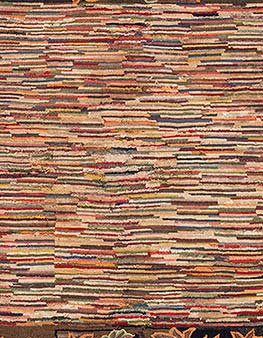
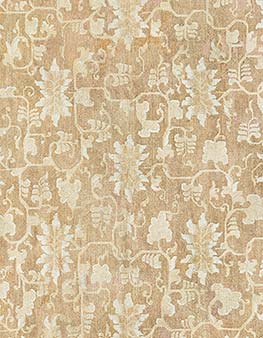
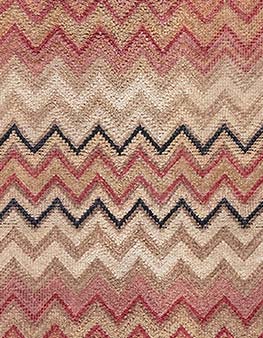
Small vintage rugs bring serious design value to spaces where a full room-size carpet is not the right answer. In a foyer, library corner, dressing area, powder room, bedside setting, or layered seating arrangement, a smaller rug can introduce color, texture, provenance, and scale without overwhelming the architecture. Doris Leslie Blau curates small rugs across antique, vintage, and modern design categories, including French Art Deco carpets, Swedish and Scandinavian flatweaves, Moroccan wool rugs, Indian Dhurries, Samarkand pieces, Chinese rugs, and select decorative antique area rugs.
How small rugs work in high-end rooms
A well-chosen small rug can solve a precise interior design problem. It can define an intimate zone inside a larger room, soften stone or wood flooring, add pattern beneath a writing desk, or create a quiet transition between adjacent spaces. Designers often use small vintage rugs where proportion is critical: beside a bed, in front of a fireplace, under a compact table, at the end of a corridor, or layered over a larger neutral carpet for depth.
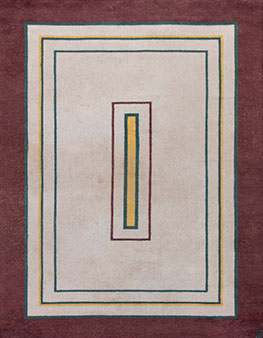
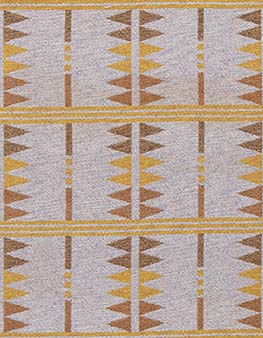
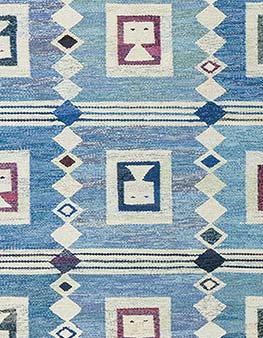
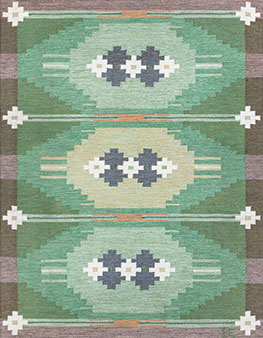
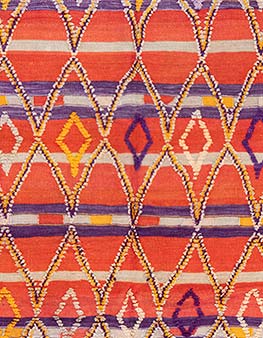
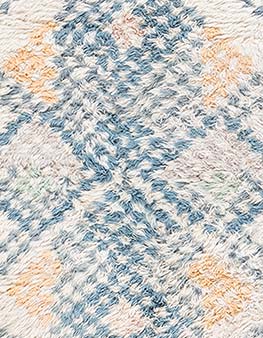
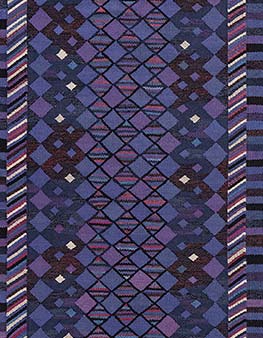
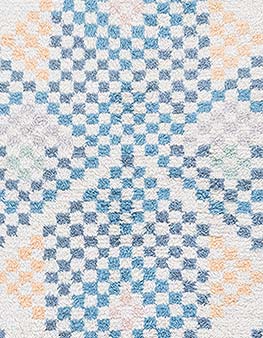
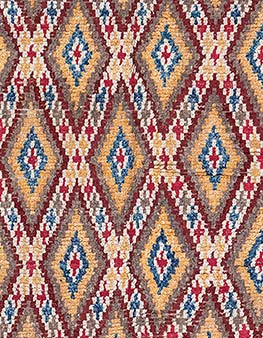
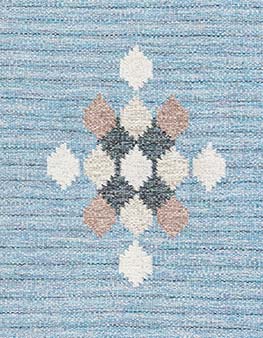
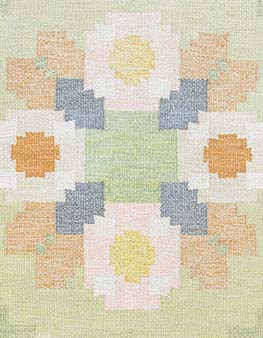
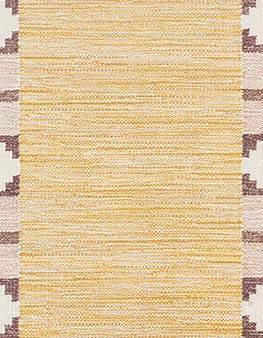
The best examples carry the same qualities buyers seek in larger luxury rugs: hand craftsmanship, durable materials, sophisticated color, and a surface with character. A mid-century Swedish flatweave may give a room graphic restraint; a Moroccan wool rug can add texture and warmth; a French Art Deco piece may bring architectural rhythm; an antique Persian or Oriental accent rug can introduce patina and a more traditional vocabulary. Scale is smaller, but the design impact can be substantial.
- Measure the exact placement area, including door clearance and furniture legs.
- Compare pile height, flatweave construction, and material for the intended use.
- Look at palette in daylight and evening light, especially in layered rooms.
- Use geometric rugs for structure and floral rugs for softer movement.
- Consider condition, age, weave, and origin alongside decorative appeal.
Materials, origins, and construction to compare
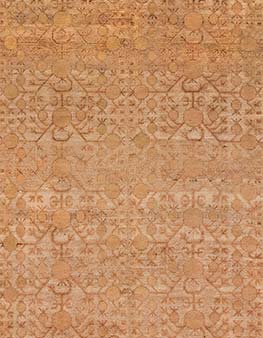
Small rugs are especially rewarding to study because every detail is visible. Hand-knotted wool rugs offer resilience and depth of color, while silk rugs can bring a more luminous surface suited to lower-traffic areas. Flatweaves, including Scandinavian pieces and Dhurries, sit low to the floor and work well where furniture movement or door swing matters. Antique rugs are typically 100+ years old, while vintage rugs usually reflect design periods from the twentieth century, including Art Deco, mid-century, tribal, and modernist influences.
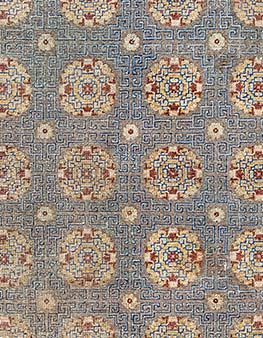
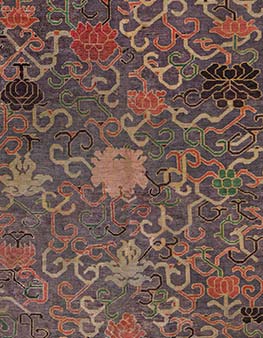
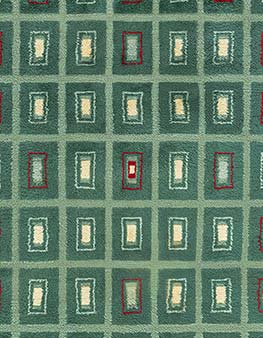
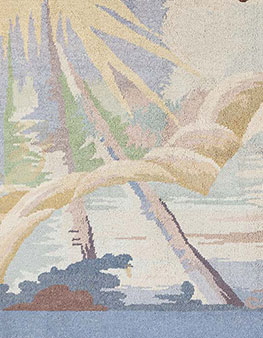
Origin and weaving tradition also shape the look of a small rug. Persian and Oriental rugs may feature medallions, allover patterns, or intricate borders; Moroccan rugs often emphasize texture, abstraction, and a more relaxed geometry; Swedish flatweaves are prized for balance, restraint, and designer provenance; French Art Deco rugs can offer stylized florals, architectural motifs, and elegant color combinations. For collectors and interior designers, these distinctions help determine whether a piece should be a quiet accent or the visual center of a small space.
Choosing small rugs from Doris Leslie Blau
Doris Leslie Blau has sourced rugs from estates, auctions, dealers, and private collections since 1965, a background that is especially important when selecting rare decorative rugs in smaller formats. Buyers can review dimensions, materials, visible pricing, and individual product details before inquiring. When an antique or vintage piece has the right spirit but not the exact required size, custom made rugs and made-to-order options may provide a practical alternative for projects needing a precise footprint, coordinated palette, or repeated design language across several rooms.