




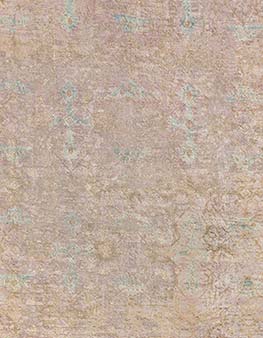
Vintage Chinese Rugs
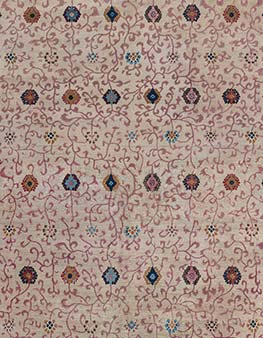
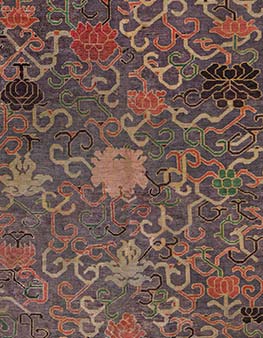
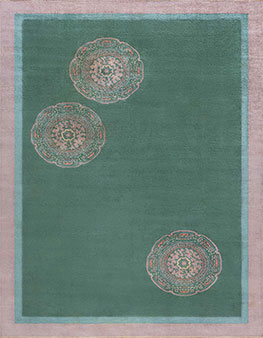
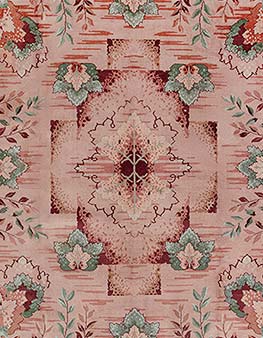
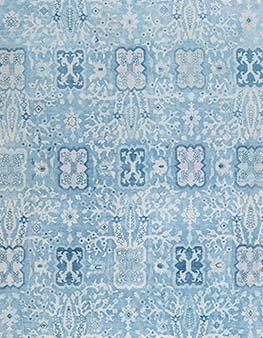
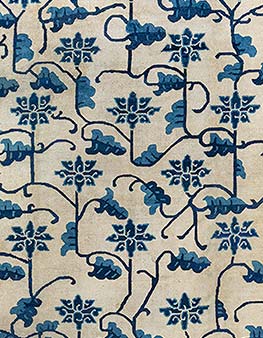
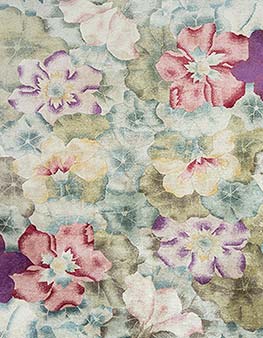
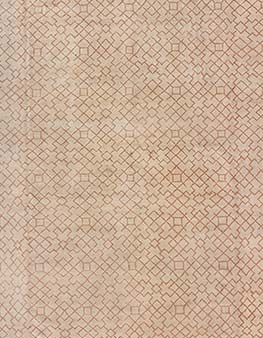
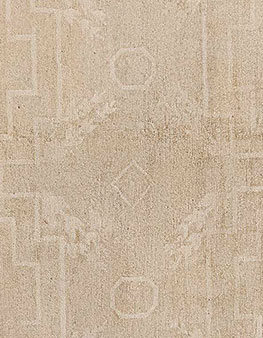
Vintage Chinese rugs occupy a distinctive place within Oriental carpet design: spacious, graphic, and highly adaptable to sophisticated interiors. Unlike denser Persian rugs or many Turkish carpets, Chinese carpets often rely on open fields, disciplined borders, symbolic motifs, and carefully balanced color. In this collection, Doris Leslie Blau presents hand-knotted Chinese wool and silk rugs selected for decorative value, craftsmanship, condition, and scale. The category includes Art Deco Chinese rugs, floral carpets, geometric designs, pale neutral pieces, rich blues and teals, soft pinks, runners, room-size rugs, and oversized carpets for substantial architectural spaces.
Chinese Art Deco, Floral, and Geometric Designs
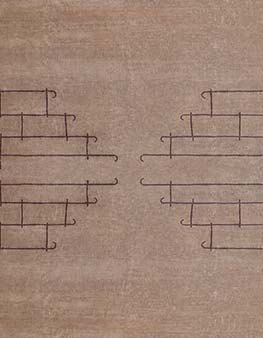
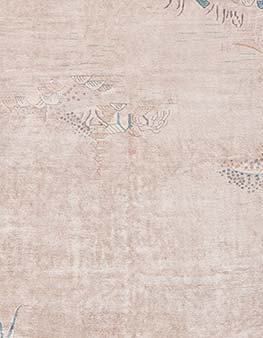
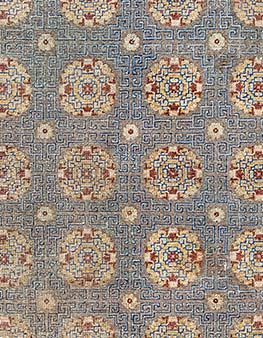
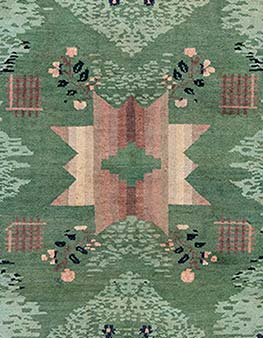
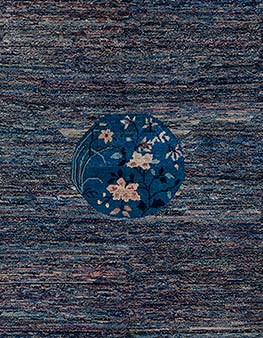
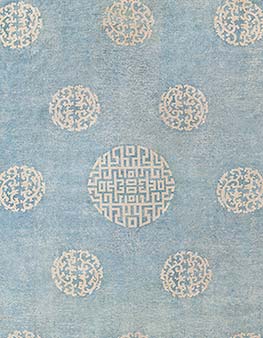
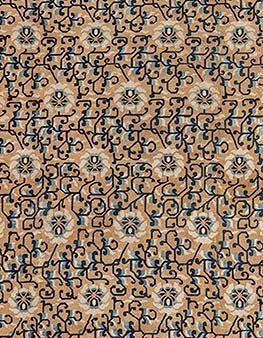
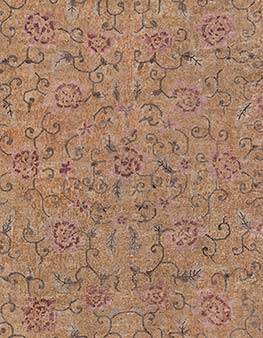
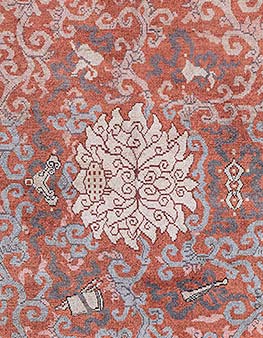
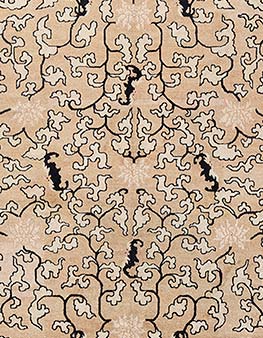
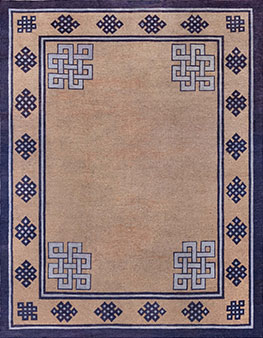
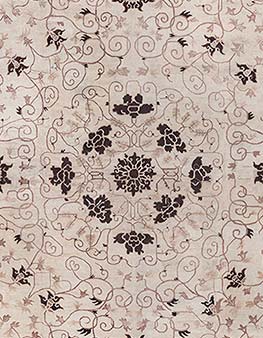
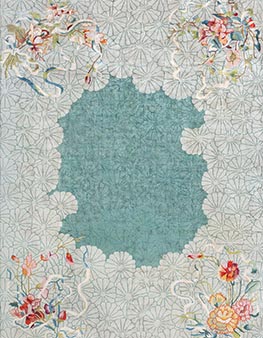
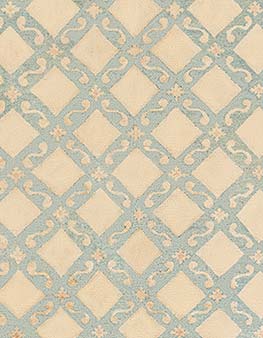
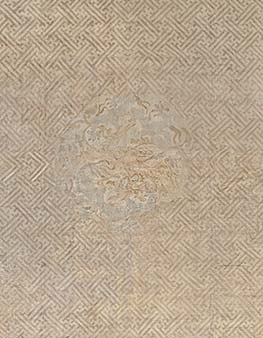
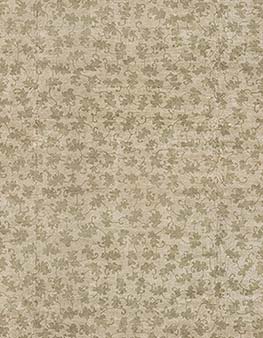
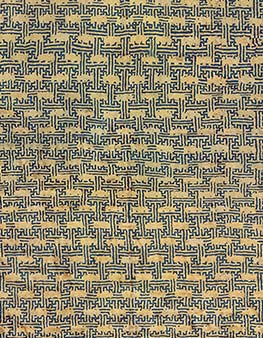
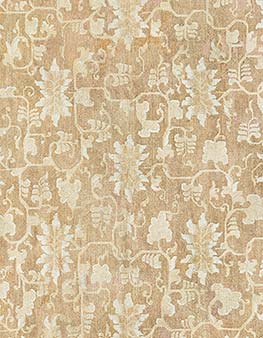
Many of the most sought-after vintage Chinese rugs date from the early and mid twentieth century, when Chinese weaving centers produced carpets for Western interiors shaped by modernism, Art Deco design, and a growing appreciation for Asian decorative arts. These rugs can be spare and architectural, or boldly botanical with lotus blossoms, chrysanthemums, cloud forms, birds, dragons, and other auspicious motifs. A Chinese Art Deco rug may use a large expanse of color with asymmetrical floral placement, while a more traditional Chinese carpet may favor medallions, fretwork borders, or symbolic patterning.
- Review age, origin, weave, materials, and condition before comparing pieces.
- Choose wool rugs for durability and silk rugs for sheen and refinement.
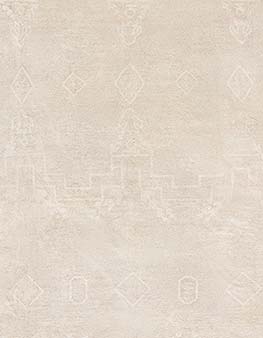
- Use pale Chinese rugs to soften contemporary rooms without heavy pattern.
- Consider oversized carpets for dining rooms, galleries, and open-plan interiors.
- Look at border scale and field color in relation to furniture placement.
Materials, Color, and Interior Design Use
The strongest vintage Chinese carpets are useful because they combine artistry with restraint. Hand-knotted wool rugs bring texture and resilience to living rooms, libraries, bedrooms, and dining areas, while silk Chinese rugs can introduce a quieter luster suited to formal rooms or low-traffic spaces. Palettes range from cream, beige, camel, taupe, and pale blue to navy, teal, sage, forest green, dusty pink, and warmer tan tones. That range allows interior designers to use Chinese rugs as either a calm architectural foundation or a statement layer within luxury interiors.
How to Select a Vintage Chinese Carpet
Serious buyers should evaluate more than pattern alone. Scale is especially important: an oversized Chinese rug can organize a large room without visual clutter, while a runner can define a hallway, dressing area, or long gallery. Condition, pile, restoration, edge integrity, color harmony, and the clarity of the drawing all affect how a rug will perform in an interior. Antique rugs are typically 100+ years old, while vintage Chinese rugs may be younger yet still highly desirable for their period design, hand-knotting, and decorative rarity.
Doris Leslie Blau’s Chinese rug selection is curated for designers, collectors, architects, and homeowners who need pieces with presence and usability. Since 1965, the gallery has sourced rugs through estates, auctions, dealers, and private collections, giving clients access to rare decorative carpets beyond ordinary retail inventory. When an existing vintage rug is not the right size, palette, or format, custom made and made-to-order rugs can be explored as a complementary solution, especially for projects requiring exact dimensions, coordinated colors, or multiple related pieces.