

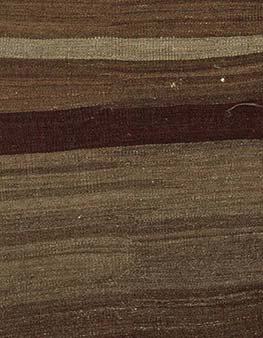
Vintage Turkish Rugs
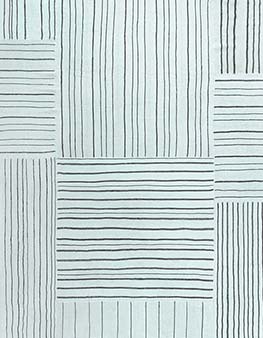
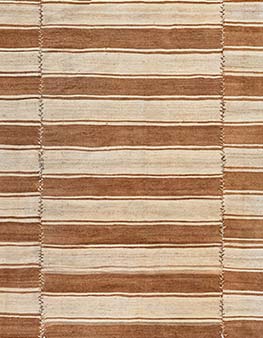
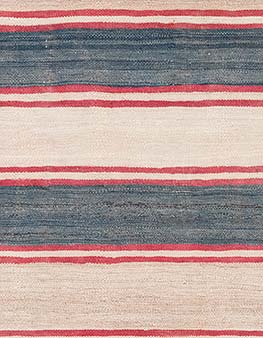
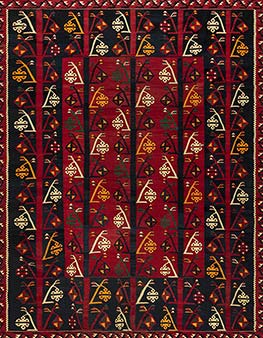
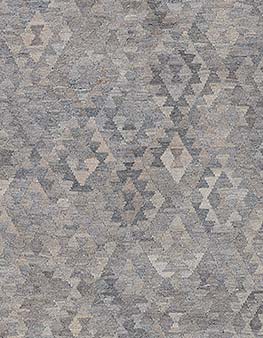
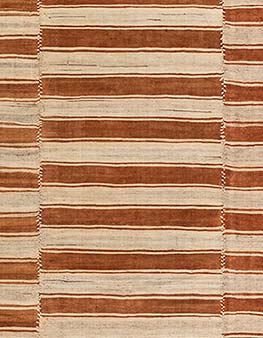
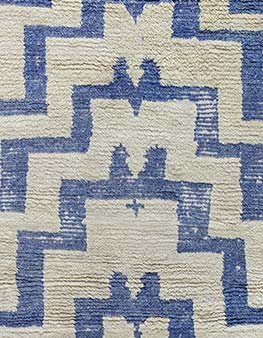
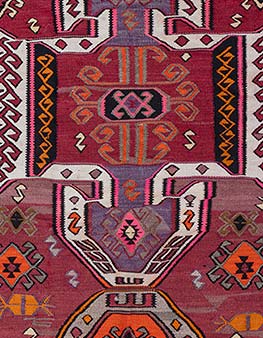
Vintage Turkish rugs bring the character of Anatolian weaving into interiors that require texture, restraint, and design authority. This category focuses on Turkish wool rugs, hand-knotted carpets, flatweaves, Tulu pieces, tribal patterns, striped compositions, runners, and room-size decorative rugs selected for sophisticated residential and professional projects. Unlike generic floor coverings, a well-chosen vintage Turkish rug offers evidence of handwork: irregularities in line, nuanced color, tactile wool, and a surface that has matured through age and use.
Why Turkish Vintage Rugs Work in Luxury Interiors
Turkey has long been associated with distinctive rug-making traditions, from village and tribal weaving to more formal workshop production. In vintage examples, the appeal often lies in the balance between graphic clarity and relaxed patina. Geometric motifs, warm neutrals, faded blues, ivory grounds, charcoal tones, and tan wool can sit comfortably in modern apartments, collected townhouses, beach houses, mountain residences, and layered traditional rooms. For interior designers, vintage Turkish rugs are especially useful because they can introduce history without overwhelming contemporary architecture.
Many pieces in this category are made of wool, valued for durability, comfort, and its ability to hold subtle color. Hand-knotted Turkish carpets may provide denser pile and more architectural patterning, while flatweave rugs offer a lighter, more casual surface for dining rooms, libraries, bedrooms, and informal living spaces. Tulu rugs, with their plush texture and folkloric character, can function almost like textile art in a bedroom, sitting area, or relaxed modern interior.
How to Evaluate a Vintage Turkish Rug
Buying a vintage rug requires more than choosing a color. Scale, weave, condition, pile height, age, and pattern should all be considered in relation to the room. A long Turkish runner can organize a hallway or gallery-like passage, while a large flatweave may define an open seating plan without adding visual heaviness. Striped and geometric rugs often pair well with modern furniture, plaster walls, stone, linen, leather, and wood; tribal motifs can add movement to quieter schemes.
- Review exact dimensions against the furniture plan, not just the room size.
- Consider whether the rug needs low pile, plush texture, or flatweave practicality.
- Study the palette in natural and evening light before final placement.
- Look for handwork, wool quality, pattern balance, and surface character.
- Use runners and smaller rugs to add Turkish weaving to transitional spaces.
Condition is also important. Some vintage Turkish rugs show gentle wear that contributes to their decorative value, while others have a stronger pile and more structured appearance. Neither is automatically better; the right choice depends on placement, expected use, and the design intention. A collector may value rarity and regional character, while a decorator may prioritize scale, tonal subtlety, and how the rug supports the larger interior composition.
Doris Leslie Blau Selection and Project Support
Doris Leslie Blau has sourced rugs from estates, auctions, dealers, and private collections since 1965, giving clients access to pieces chosen with both decorative and connoisseurship criteria in mind. The vintage Turkish selection is suited to interior designers, architects, collectors, and homeowners comparing hand-knotted rugs, flatweaves, runners, and decorative area rugs for high-end spaces. Visible pricing helps streamline early evaluation, while the gallery’s broader expertise in antique rugs, vintage rugs, modern rugs, and custom made rugs allows projects to be considered with flexibility.
When an available Turkish vintage rug is the right aesthetic but not the right size, a made-to-order rug can sometimes translate related ideas—such as a muted stripe, geometric rhythm, wool texture, or warm neutral palette—into a project-specific dimension. The original vintage piece remains unique, but the design direction can guide a custom solution for oversized rooms, unusual layouts, or coordinated interiors that require multiple rugs.