




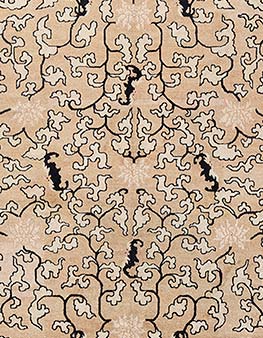
Floral Vintage Rugs
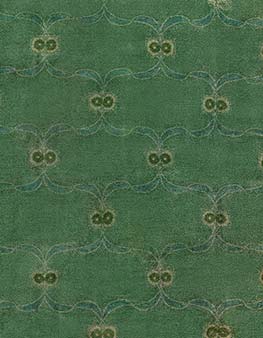
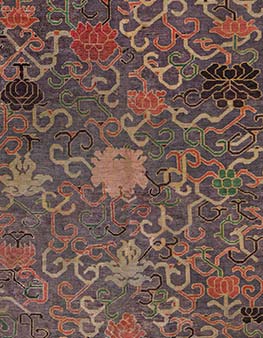
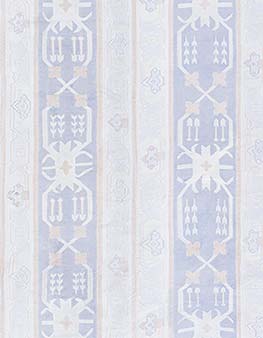
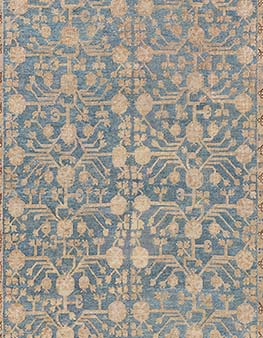
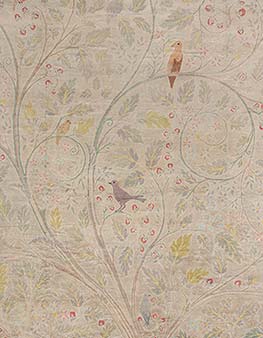
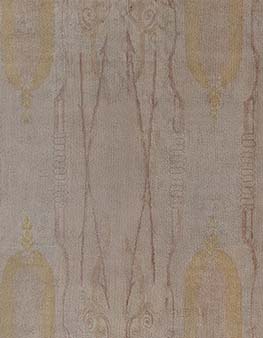
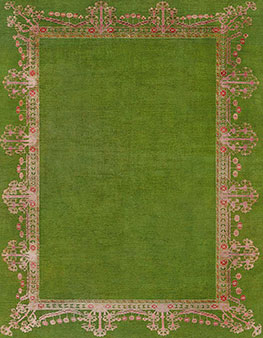
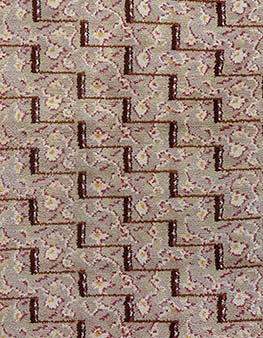
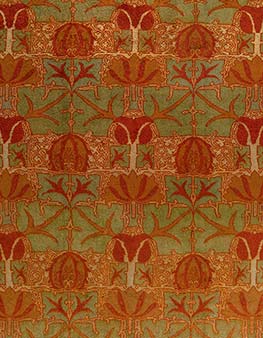
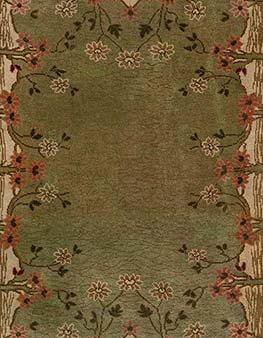
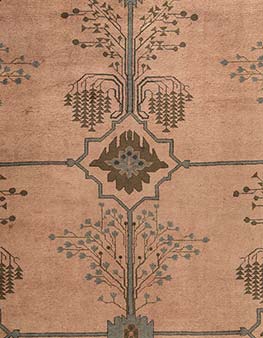
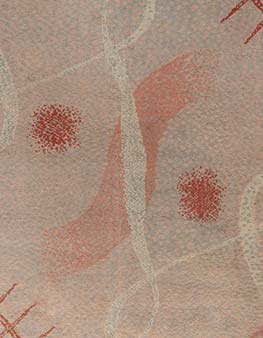
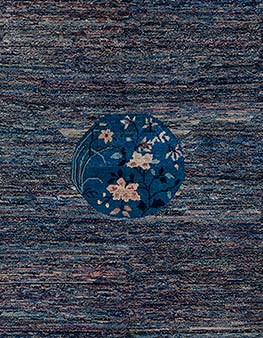
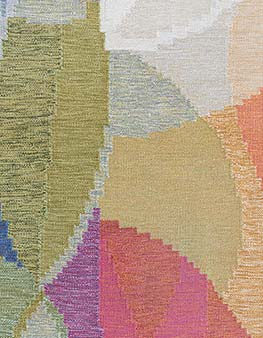
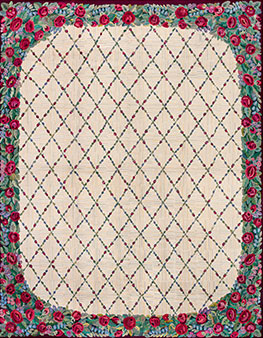
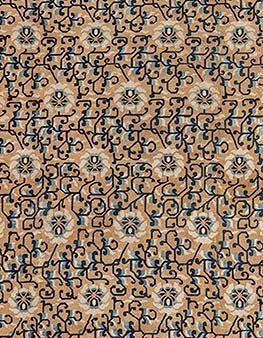
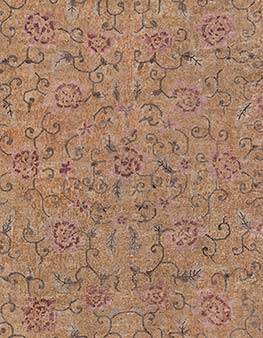
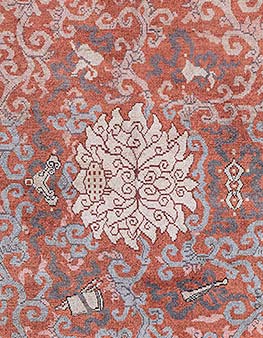
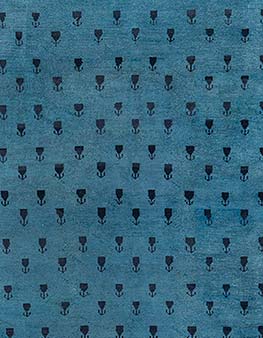
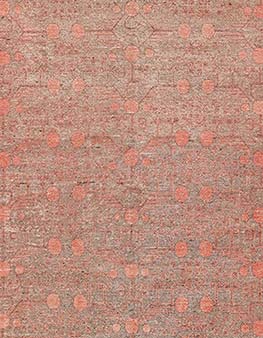
Floral vintage rugs offer a more architectural way to bring pattern into a luxury interior than conventional botanical decoration. In this Doris Leslie Blau collection, the category ranges from French Art Deco floral carpets and Viennese Secessionist designs to Swedish flatweaves, Chinese Art Deco lotus rugs, Samarkand pomegranate motifs, Indian dhurries, hooked rugs, and Arts & Crafts carpets associated with refined European and American interiors. These pieces are selected not simply for age or ornament, but for scale, balance, weave quality, color harmony, and their ability to work in rooms designed today.
Why floral vintage rugs work in high-end interiors
A strong floral vintage rug can soften modern architecture, add historical depth to a transitional room, or introduce a disciplined decorative layer in a traditional setting. Unlike many new floral area rugs, vintage examples often show more nuanced drawing, more complex color abrash, and a surface that has mellowed through use. Pale beige, sand, taupe, sage, lavender, forest green, navy, dusty rose, and warm tan palettes can support interiors ranging from quiet minimalism to layered collector rooms.
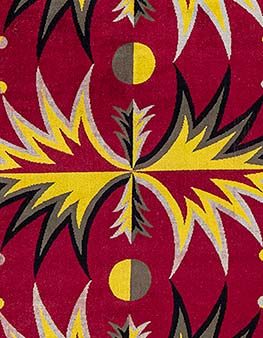
- Choose Art Deco floral rugs for stylized pattern and strong decorative rhythm.
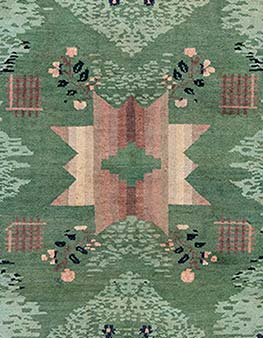
- Consider Swedish and Scandinavian floral rugs for cleaner geometry and softer modernist rooms.
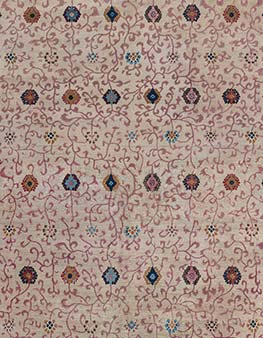
- Use Chinese floral rugs and lotus designs for elegant color fields and graceful spacing.
- Select dhurries and flatweaves where a lower profile and lighter structure are preferred.
- Look at oversized floral carpets for living rooms, dining rooms, galleries, and principal bedrooms.
Materials, weave, origin, and condition
Serious buyers should evaluate more than the beauty of the flower. A hand-knotted wool rug will behave differently from a flatwoven cotton dhurrie or a silk accent carpet. Pile height, density, foundation, edge finish, restoration history, and evenness of wear all influence how a vintage floral rug performs in daily use. Many pieces in this category are decorative rather than purely collectible, which makes them especially useful for designers seeking character, scale, and authenticity without overwhelming a room.
Origin also shapes the design language. French and Viennese pieces may emphasize modernist stylization, while Chinese Art Deco rugs often use spacious fields, lotus blossoms, and saturated or softened color. Samarkand rugs can introduce pomegranate and East Turkestan-inspired motifs; Arts & Crafts carpets frequently favor botanical forms with a more structured, garden-derived rhythm. Doris Leslie Blau has sourced important rugs from estates, auctions, dealers, and private collections since 1965, giving this category the perspective of a long-established rug gallery rather than a generic decorative inventory.
Selecting the right floral rug for a room
Scale is often the deciding factor. A large floral carpet can define a seating area or sit beneath a dining table without making the furniture feel visually crowded, provided the pattern has enough breathing room. Runners and narrower pieces can bring movement to corridors, dressing rooms, and libraries. Square or near-square floral rugs are particularly useful in foyers and rooms where standard rectangular proportions do not sit naturally.
When comparing floral vintage rugs, review the listed dimensions, visible price, dominant colors, material, construction, and period character before focusing on decoration alone. Interior designers may want a rug that quietly relates to upholstery, plaster, stone, or wood finishes; collectors may prioritize a specific weaving center, designer association, or unusual pattern. If an original vintage piece is not the right size for a project, a custom made or made-to-order rug can be considered as a complementary solution, allowing a related floral language to be adapted for a specific room while preserving the design intent of a high-end interior.