






Solid Rugs for Modern Luxury Interiors
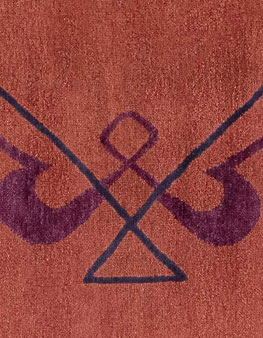
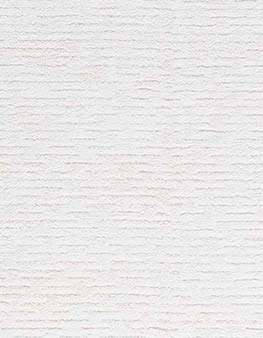
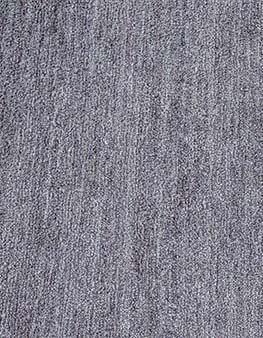
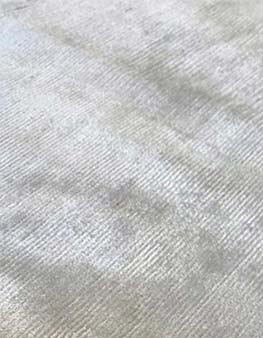
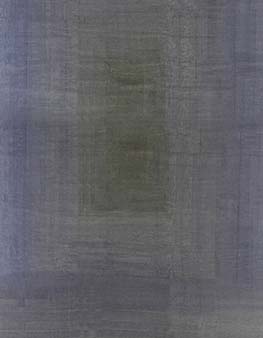
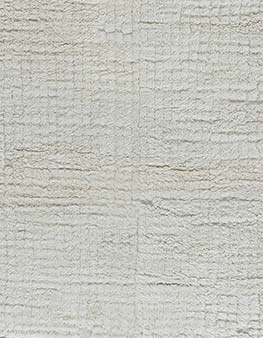
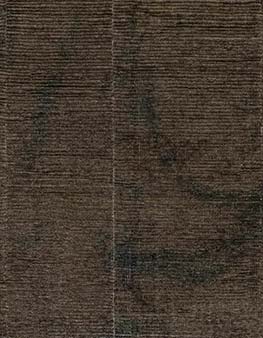
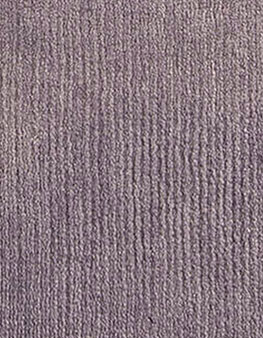
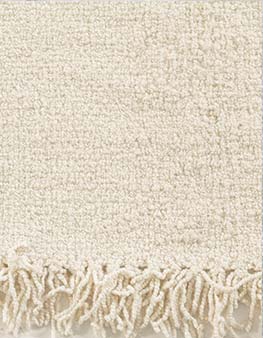
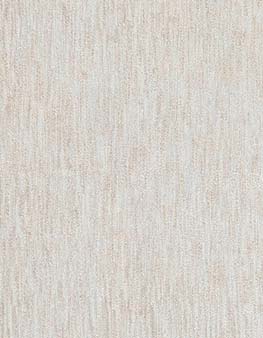
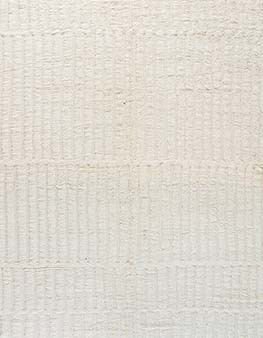
Solid rugs are chosen when a room needs depth, proportion, and material presence without a dominant pattern. In this Doris Leslie Blau category, the emphasis is on modern solid rugs with sophisticated surface variation: quiet striations, tonal shifts, carved texture, silk sheen, wool softness, mohair pile, linen clarity, and flatweave structure. The result is not a plain floor covering, but a disciplined design element that can support important furniture, art, architecture, and antique or vintage accents without visual competition.
The selection includes hand-knotted and handmade rugs in room-size, oversized, runner, square, and custom-friendly formats. Many pieces are developed in pale neutrals, warm beige, ivory, light gray, charcoal, blue, brown, and other designer-ready tones, making them suitable for living rooms, bedrooms, libraries, galleries, dining rooms, and large open-plan interiors. Doris Leslie Blau has sourced and developed rugs for high-end interiors since 1965, and that experience is especially useful in a category where subtle differences in fiber, weave, tone, and scale determine whether a rug feels merely simple or genuinely refined.
Why designers choose solid area rugs
A solid area rug can calm a highly layered room, give architectural interiors a softer acoustic and tactile quality, or create continuity across a large space. Unlike patterned Persian rugs, Oriental carpets, tribal weavings, or decorative antique carpets, a solid rug draws attention to texture and proportion first. That makes it valuable for interiors with stone, plaster, lacquer, glass, bronze, or strong upholstery. It also pairs well with antique rugs used elsewhere in a home, allowing one room to feel contemporary while the broader project remains collected and personal.
How to evaluate a solid handmade rug
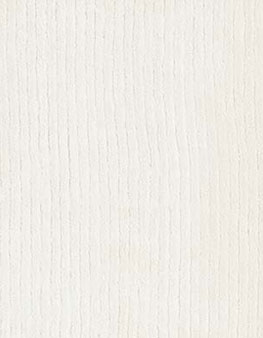
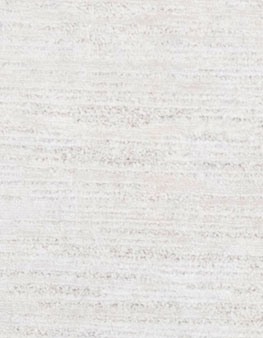
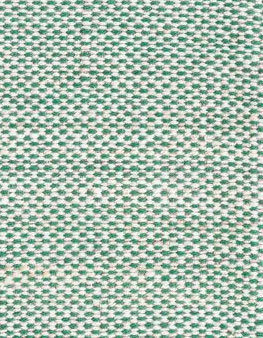
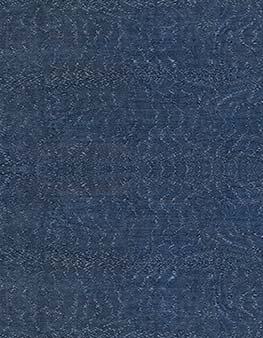
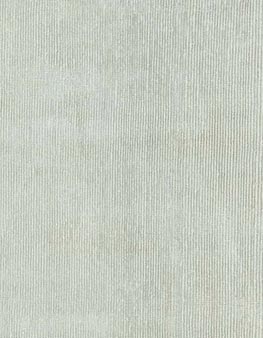
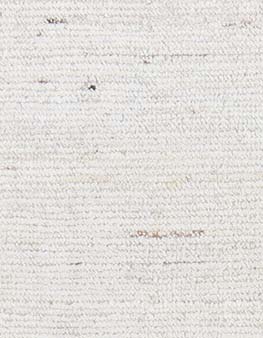
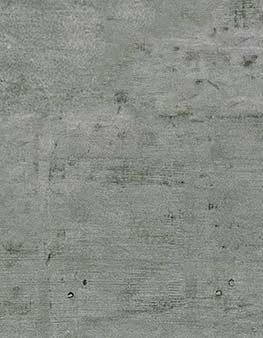
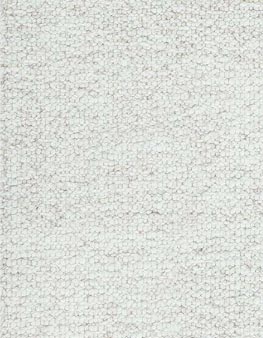
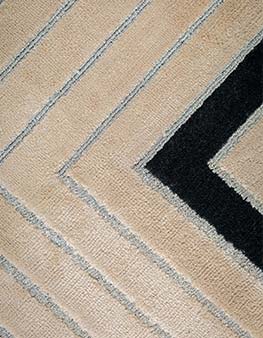
Because a solid rug has fewer motifs, quality is revealed in the details. Look closely at the weave, material, pile height, edge finish, color movement, and how the surface reacts to light. A hand-knotted wool rug will not read the same way as a silk rug, wool-and-silk carpet, mohair rug, cotton piece, or flatweave. Some solid designs are nearly monochromatic; others use abrash, high-low texture, ombré effects, or fine striation to prevent the floor from looking flat.
- Choose wool for resilience, warmth, and a substantial hand.
- Consider silk or wool-and-silk for luminosity and formal rooms.
- Use oversized solid rugs to unify large seating plans.
- Select runners for quiet transitions through halls and galleries.
- Compare undertones carefully against wall color, stone, and upholstery.
- Ask about custom sizing when standard dimensions do not suit the room.
Solid rugs, custom sizing, and project flexibility
Solid rugs are especially strong candidates for custom made rugs and made-to-order projects because color, size, fiber, and texture can be adjusted without disrupting a complex pattern repeat. For designers and architects, this flexibility matters in rooms with unusual dimensions, built-in furniture, large sectionals, long corridors, or precise clearance requirements. A custom solid rug can be developed to support a restrained palette or to introduce one carefully controlled note of color.
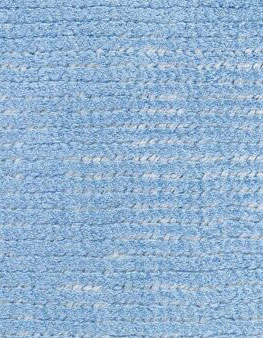
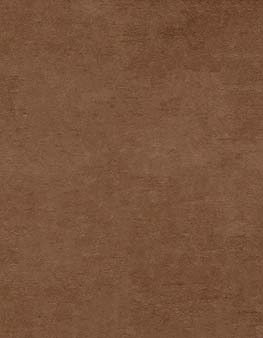
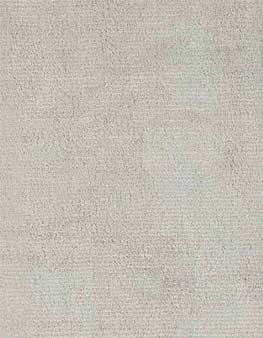
When browsing the collection, buyers can evaluate visible pricing, listed dimensions, materials, and construction before making a deeper inquiry. The most successful solid rugs are not selected by color name alone; they are chosen for how they perform in a specific interior. A light beige wool rug may soften a minimalist room, a gray silk rug may add polish to a formal space, and a large blue or brown rug may anchor a room with stronger architectural weight. In each case, the right piece gives the design a finished foundation without overwhelming it.