

-

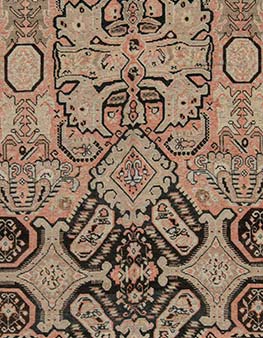
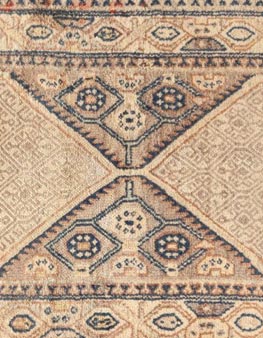
Antique Oushak Turkish Allover Geometric Warm Tan With Classic Taupe Hand-Knotted Wool Runner – Circa 1900 BB8934
Size: 2'5" × 23'5" (73 × 713 cm) -
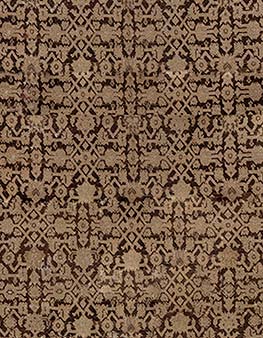
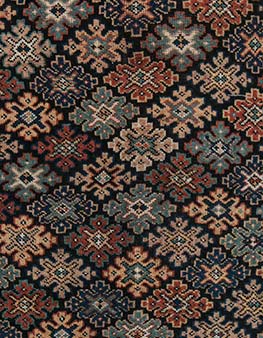
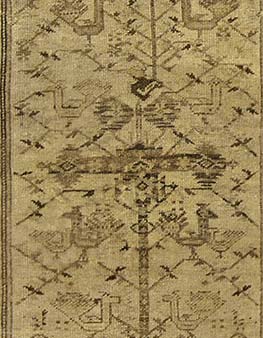
Malayer Antique Allover Geometric Warm Tan With Brown Hand-Knotted Wool Runner – Circa 1920 BB8907
Size: 6'6" × 17'9" (198 × 541 cm) -
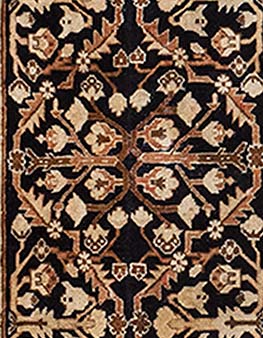
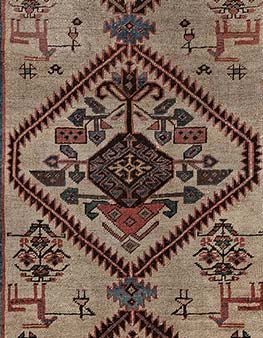
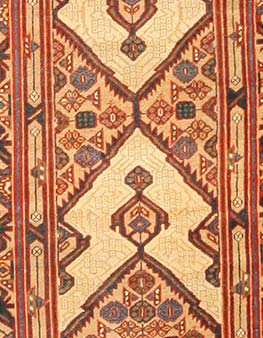
Antique Agra Indian Allover Geometric Light Beige Hand-Knotted Wool Runner – Circa 1900 (Fragment) BB8893
Size: 3'6" × 17'1" (106 × 520 cm) -
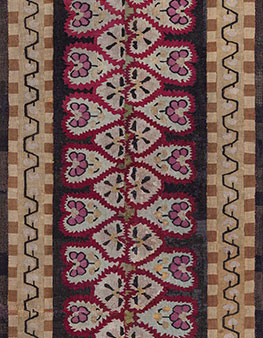
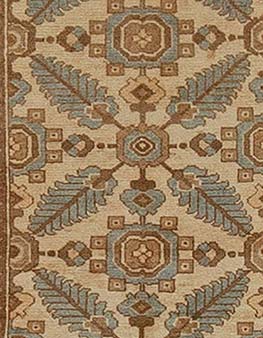
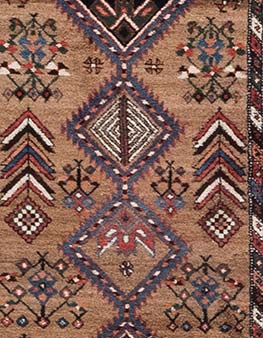
Aubusson French Antique Allover Floral Geometric Runner In Soft Beige Hand-Knotted Wool – Circa 1900 BB8880
Size: 3'8" × 11'5" (111 × 347 cm) -
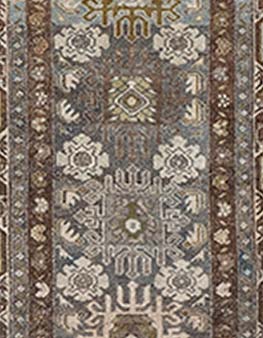
Antique Malayer Persian Allover Geometric Pale Sand Hand-Knotted Wool Runner – Circa 1930 BB8848
Size: 2'8" × 16'10" (81 × 513 cm) -
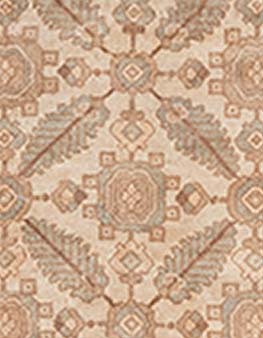
Malayer Persian Antique Allover Geometric Light Beige Hand-Knotted Wool Runner – Circa 1920 BB8847
Size: 2'5" × 19'4" (73 × 589 cm) -
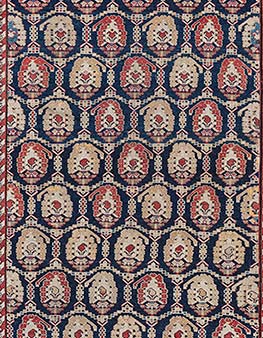
Antique Karabakh Caucasian Allover Geometric Warm Tan Hand-Knotted Wool Runner – Circa 1870 Paisley Design BB8518
Size: 5'1" × 12'6" (154 × 381 cm) -
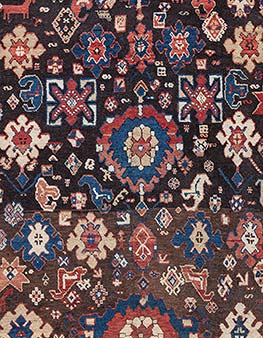
Antique Karabakh Caucasian Allover Geometric Cream Hand-Knotted Wool Runner – Circa 1880 Paisley Design BB8476
Size: 6'9" × 13'9" (205 × 419 cm) -

Antique Oushak Turkish Allover Floral Geometric Light Beige Hand-Knotted Wool Runner – Circa 1900 BB7506
Size: 7'10" × 18'10" (238 × 574 cm) -
Karabakh Caucasian Antique Allover Geometric Warm Tan Hand-Knotted Wool Runner – Circa 1900 Paisley Design BB7459
Size: 7'1" × 18'5" (215 × 561 cm) -
Antique Karabakh Caucasian Allover Geometric Warm Tan Hand-Knotted Wool Runner – Circa 1920 Paisley Design BB7445
Size: 4'10" × 12'10" (147 × 391 cm) -
Malayer Persian Antique Medallion Geometric Soft Beige Hand-Knotted Wool Runner – Circa 1900 BB7147
Size: 3'8" × 7'8" (111 × 233 cm) -
Tabriz Persian Antique Allover Geometric Light Beige Hand-Knotted Wool Runner – Circa 1900 BB5474
Size: 2'5" × 25'0" (73 × 762 cm) -
Malayer Persian Antique Allover Geometric Warm Tan Hand-Knotted Wool Runner – Circa 1880 BB5401
Size: 2'9" × 17'2" (83 × 523 cm) -
Antique Malayer Persian Allover Geometric Warm Tan With Brown Hand-Knotted Wool Runner BB5235
Size: 3'5" × 16'2" (104 × 492 cm) -
Antique Malayer Persian Medallion Geometric Light Beige Hand-Knotted Wool Runner – Circa 1880 BB4747
Size: 3'2" × 19'10" (96 × 604 cm) -
Persian Antique Allover Geometric Ivory Hand-Knotted Wool Runner – Circa 1900 BB3258
Size: 3'8" × 16'5" (111 × 500 cm)
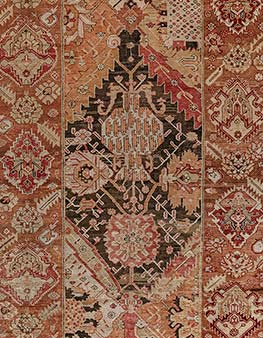
Geometric Antique Rugs FAQ
What defines a geometric antique rug?
A geometric antique rug features structured motifs such as medallions, lattice patterns, angular vines, stepped borders, diamonds, compartments, or tribal forms. In the rug market, antique generally refers to pieces that are typically 100 years old or more, although some collectible early twentieth-century rugs are valued for similar craftsmanship and decorative character.
Which origins are common in geometric antique rugs?
Important origins include Persian Heriz, Bakshaish, Tabriz and Sultanabad, Turkish Oushak, Indian Agra and Amritsar, Caucasian village weaving, and select European or Spanish carpets. Each origin has a different balance of drawing, palette, weave, scale, and formality, which affects how the rug works in an interior.
Are geometric antique rugs suitable for modern interiors?
Yes. Their clear structure often pairs well with contemporary furniture, stone, wood, plaster, and tailored upholstery. A softly colored geometric antique rug can add depth without overpowering a minimalist room, while a bolder Heriz, Oushak, or tribal design can become the central architectural element of the space.
How should I choose the right size?
Start with the furniture plan and room proportions. Large and oversized geometric carpets should sit comfortably beneath major seating or dining pieces, while smaller antique area rugs can define reading corners, entries, or layered spaces. Border placement matters because strong geometric frames can visually tighten or expand a room.
What materials should buyers evaluate?
Most geometric antique rugs are wool, often hand-knotted on wool or cotton foundations, though silk, cotton, flatweave, needlework, and European machine-made examples may also appear. Buyers should evaluate pile, foundation, dyes, repairs, surface texture, and condition because these details influence both durability and decorative value.