

-
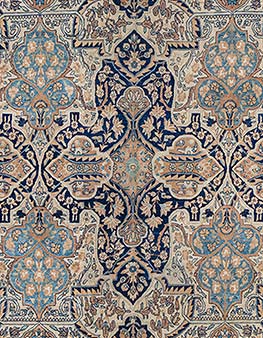
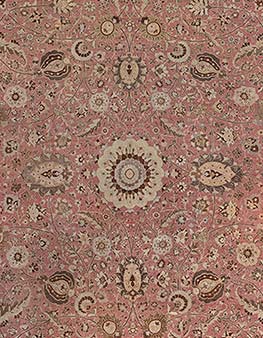
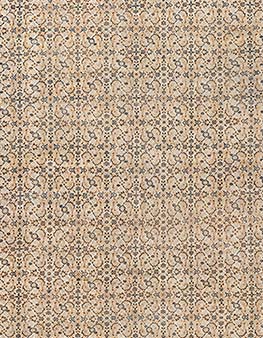
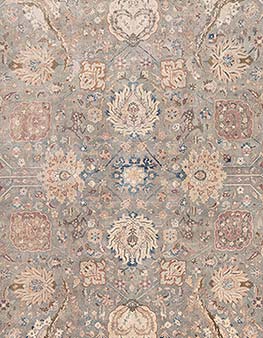
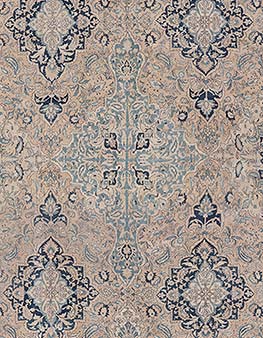
Antique Kirman Persian Medallion – Light Beige Hand-Knotted Wool Rug – Circa 1900 BB8873
Size: 9'9" × 15'3" (297 × 464 cm) -

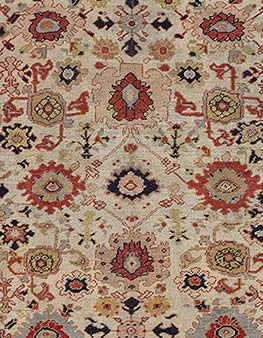
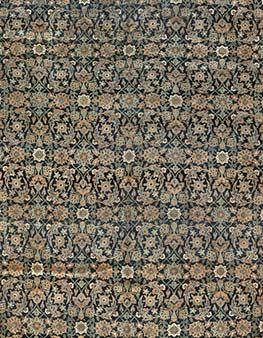
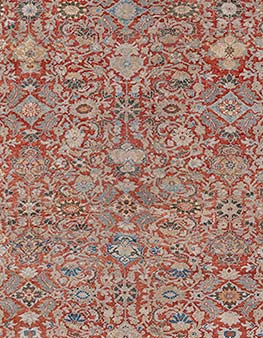
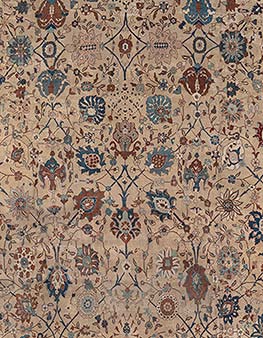
Antique Sultanabad Persian Allover Geometric Pale Sand Hand-Knotted Wool Rug – Circa 1880 BB8871
Size: 9'0" × 16'0" (274 × 487 cm) -

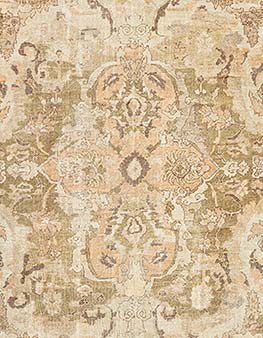
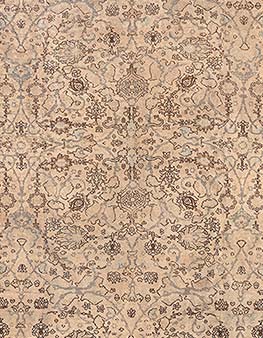
Antique Khorassan Persian Allover Warm Tan Hand-Knotted Wool Rug – Circa 1900 BB8870
Size: 9'9" × 13'10" (297 × 421 cm) -
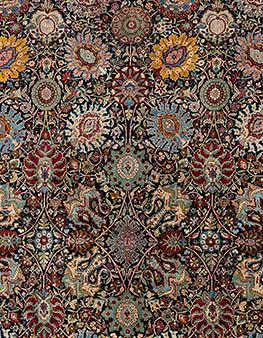
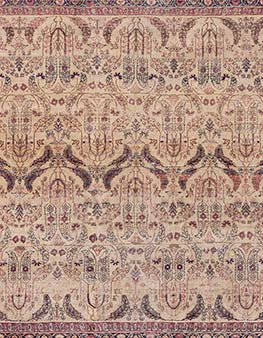
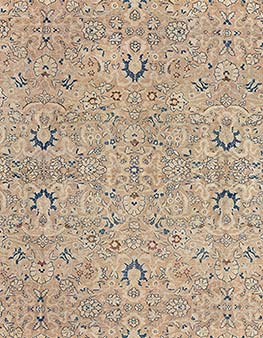
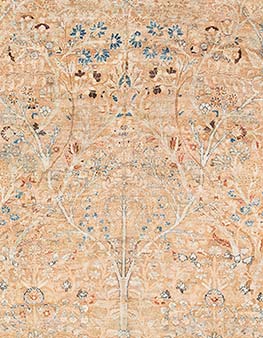
Antique Tabriz Persian Floral Allover Ivory Hand-Knotted Wool Rug – Circa 1900 (Size Adjusted) BB8868
Size: 11'3" × 15'6" (342 × 472 cm) -

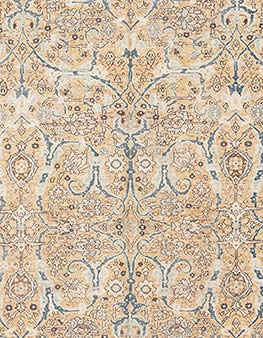
Antique Meshad Persian Allover Floral Light Beige Hand-Knotted Wool Rug – Circa 1900 BB8867
Size: 11'8" × 15'10" (355 × 482 cm) -

Oversized Kirman Persian Antique Allover Floral Warm Tan Hand-Knotted Wool Rug – Circa 1920 BB8862
Size: 15'7" × 25'4" (474 × 772 cm) -

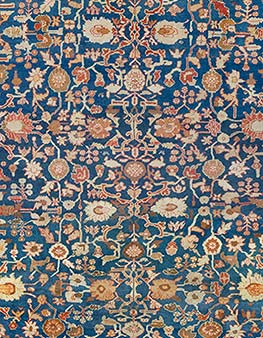
Antique Tabriz Persian Allover Floral Sand Hand-Knotted Wool Rug – Circa 1880 BB8861
Size: 12'0" × 19'2" (365 × 584 cm) -

Kirman Persian Antique Floral Allover Warm Tan Hand-Knotted Wool Rug – Circa 1880 BB8860
Size: 12'6" × 19'6" (381 × 594 cm) -

Antique Tabriz Persian Allover Geometric Warm Tan Hand-Knotted Wool Carpet – Circa 1900 BB8859
Size: 12'7" × 17'10" (383 × 543 cm) -
Antique Sultanabad Persian Floral Allover Warm Tan Hand-Knotted Wool Rug – Circa 1900 BB8846
Size: 12'2" × 15'8" (370 × 477 cm) -
Antique Tabriz Persian Allover Cream Beige Hand-Knotted Wool Rug – Circa 1920 BB8840
Size: 12'0" × 17'0" (365 × 518 cm) -
Kirman Persian Antique Allover Floral Light Beige Hand-Knotted Wool Carpet – Circa 1920 BB8818
Size: 9'0" × 11'3" (274 × 342 cm) -
Sultanabad Persian Antique Allover Geometric Light Beige Hand-Knotted Wool Rug – Circa 1920 BB8809
Size: 9'8" × 14'8" (294 × 447 cm) -
Antique Kirman Persian Allover Soft Beige Hand-Knotted Wool Rug – Circa 1910 BB8801
Size: 12'9" × 20'9" (388 × 632 cm) -
Tabriz Persian Antique Allover Floral Soft Beige Hand-Knotted Wool Rug – Circa 1930 BB8797
Size: 6'3" × 9'3" (190 × 281 cm) -
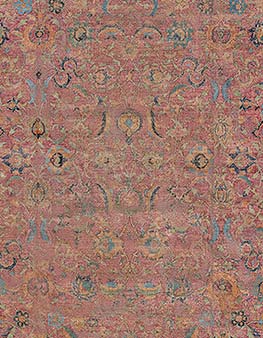
Antique Persian Floral Allover Dusty Rose Hand-Knotted Wool Rug – Circa 17Th Century Esfahan BB8467
Size: 10'10" × 16'0" (330 × 487 cm) -
Antique Sultanabad Persian Floral Allover Light Beige Hand-Knotted Wool Rug – Circa 1880 BB8429
Size: 6'7" × 9'4" (200 × 284 cm) -
Antique Tabriz Persian Allover Floral Light Beige Hand-Knotted Wool Rug – Circa 1920 BB8412
Size: 12'10" × 17'10" (391 × 543 cm) -
Sultanabad Persian Antique Floral Allover Light Beige Hand-Knotted Wool Rug – Circa 1900 BB8118
Size: 13'8" × 17'2" (416 × 523 cm) -
Meshad Persian Antique Allover Floral Light Beige Hand-Knotted Wool Rug – Circa 1880 BB7318
Size: 13'2" × 21'3" (401 × 647 cm) -
Antique Kirman Persian Allover Pale Sand Hand-Knotted Wool Rug – Circa 1900 BB7076
Size: 9'0" × 13'0" (274 × 396 cm) -
Antique Sultanabad Persian Medallion Soft Beige Hand-Knotted Wool Carpet – Circa 1900 BB5317
Size: 11'2" × 15'1" (340 × 459 cm) -
Antique Kirman Persian Floral Allover Warm Tan Hand-Knotted Wool Rug – Circa 1900 BB8792
Size: 7'9" × 7'7" (236 × 231 cm) -
Tabriz Persian Antique Floral Allover Soft Beige Hand-Knotted Wool Rug – Circa 1920 BB8790
Size: 11'8" × 14'0" (355 × 426 cm) -
Antique Sultanabad Persian Floral Allover Cream Hand-Knotted Wool Rug – Circa 1910 BB8789
Size: 12'10" × 18'3" (391 × 556 cm) -
Antique Tabriz Persian Floral Allover Soft Beige Hand-Knotted Wool Rug – Circa 1880 BB8780
Size: 10'10" × 13'6" (330 × 411 cm) -
Tabriz Persian Antique Allover Floral Warm Tan Hand-Knotted Wool Rug – Circa 1880 BB8779
Size: 11'4" × 15'5" (345 × 469 cm) -
Antique Tabriz Persian Floral Allover Cream Beige Hand-Knotted Wool Rug – Circa 1880 BB8774
Size: 15'10" × 20'9" (482 × 632 cm) -
Antique Meshad Persian Floral Allover In Oversized Pale Sand, Hand-Knotted Wool Rug – Circa 1880 BB8773
Size: 16'9" × 24'3" (510 × 739 cm) -
Antique Tabriz Persian Allover Floral Warm Tan Hand-Knotted Wool Rug – Circa 1900 BB8766
Size: 9'9" × 12'0" (297 × 365 cm) -
Antique Tabriz Persian Floral Allover Soft Beige Hand-Knotted Wool Rug – Circa 1900 BB8764
Size: 9'2" × 11'7" (279 × 353 cm) -
Antique Tabriz Persian Allover Floral Warm Tan Hand-Knotted Wool Carpet – Circa 1920 BB8763
Size: 9'2" × 12'2" (279 × 370 cm)

Persian Rugs FAQ
What makes a Persian rug valuable?
Value depends on origin, age, materials, weaving quality, condition, rarity, size, color, design clarity and decorative appeal. Rugs from respected weaving centers such as Tabriz, Kashan, Kirman, Sultanabad, Bidjar and Heriz may command attention when the craftsmanship and condition are strong. Provenance and unusual scale can also matter, but every rug should be evaluated individually.
Are antique Persian rugs always over 100 years old?
In the rug market, antique rugs are typically understood to be 100 years old or older. Some Persian rugs are vintage rather than antique, and some may be newer pieces woven in Persian-inspired traditions. Buyers should review the listed period, origin and construction details for each rug rather than assuming age from style alone.
Which Persian rug styles suit modern interiors?
Sultanabad, Heriz, Bakshaish, Malayer and certain allover Tabriz or Kirman rugs often work well in modern interiors because their scale, palettes and patterns can balance clean-lined furniture. Soft neutrals, open floral fields and graphic geometry are especially useful for contemporary rooms where the rug should add depth without overwhelming the architecture.
How should I choose the right Persian rug size?
Start with the furniture plan, not only the room dimensions. In living rooms, a rug should usually connect the main seating pieces; in dining rooms, it should allow chairs to remain on the rug when pulled back. Oversized Persian carpets can define large rooms, while runners and smaller area rugs are better for halls, bedsides and layered spaces.
Can Persian rug designs be made in custom sizes?
Antique Persian rugs are one-of-a-kind and cannot be reordered in another size, but custom made rugs can be developed with Persian-inspired patterns, palettes and proportions when a project requires exact dimensions. This option is useful for designers who need a specific color story or scale while still referencing traditional hand-knotted rug design.