

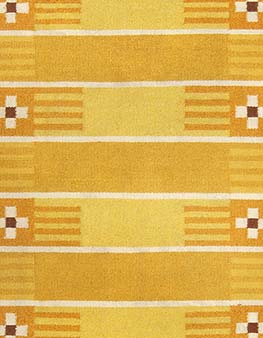
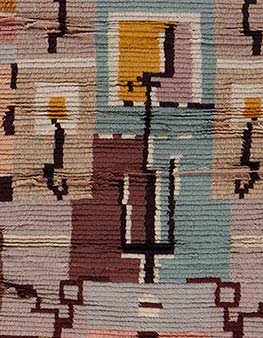
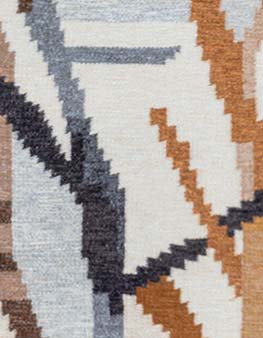
Mid-Century Scandinavian Geometric Warm Tan Flatweave Wool Rug BB4940
Size: 5'6" × 8'0" (167 × 243 cm)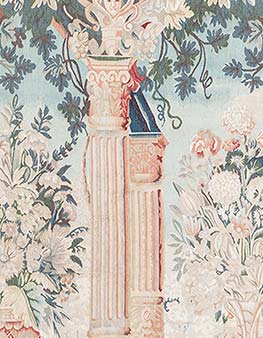
French Vintage Floral Soft Beige Hand-Knotted Wool Carpet BB8624
Size: 4'8" × 8'4" (142 × 254 cm)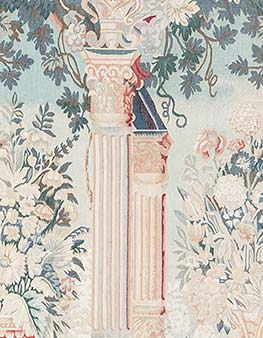
Vintage French Floral Ivory Hand-Knotted Wool Rug BB8623
Size: 4'8" × 8'7" (142 × 261 cm)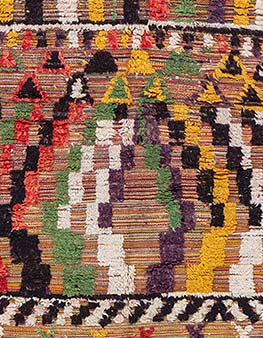
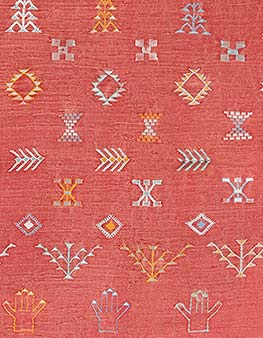
Mid-Century Vintage Moroccan Tribal Ivory Hand-Knotted Wool Rug BB9086
Size: 5'0" × 6'10" (152 × 208 cm)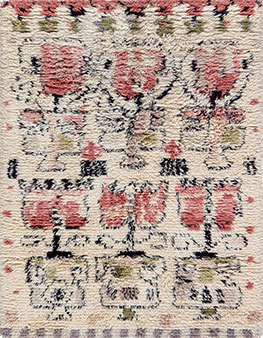
Scandinavian Vintage Floral Cream Beige Hand-Knotted Wool Carpet Rya Pile Rug By Laila Karttunen BB9083
Size: 3'7" × 5'3" (109 × 160 cm)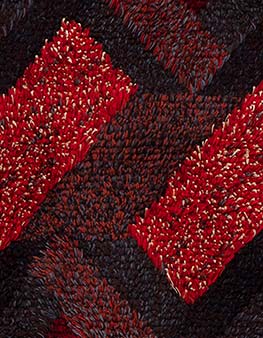
Vintage Swedish Geometric Charcoal Hand-Knotted Wool Carpet Rya Pile Rug By Ritta Aaltonen BB9050
Size: 2'4" × 3'0" (71 × 91 cm)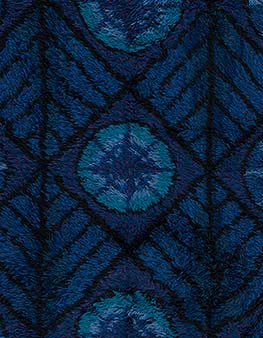
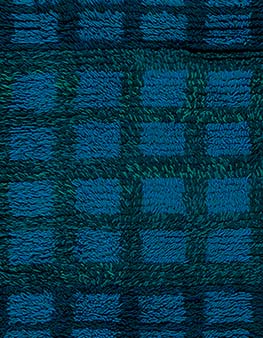
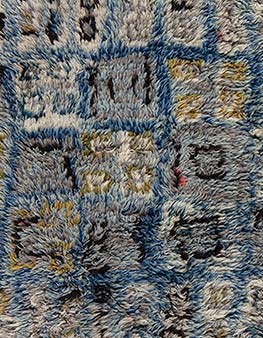
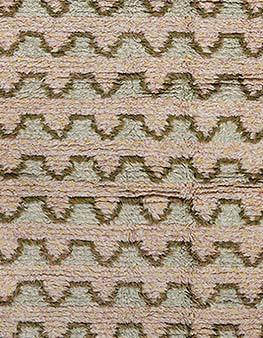
Vintage Scandinavian Geometric Navy Blue Hand-Knotted Wool Rug By Marianne Richter BB9049
Size: 5'7" × 7'7" (170 × 231 cm)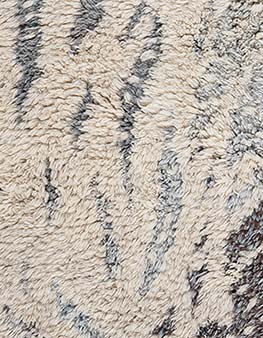
Swedish Vintage Abstract Cream Beige Hand-Knotted Wool Carpet Rya Pile Rug By Riitta Maija Oksanen BB9048
Size: 3'0" × 5'2" (91 × 157 cm)
Swedish Mid-Century Geometric Teal Hand-Knotted Wool Rug Rya Pile Rug By Terttu Tomero BB9047
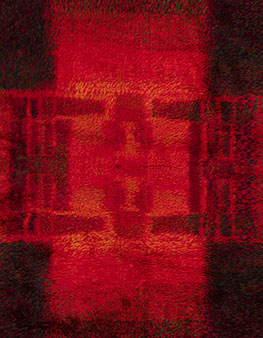
Size: 4'7" × 7'0" (139 × 213 cm)Vintage Swedish Abstract Crimson Hand-Knotted Wool Rug Rya Pile Rug By Ritva Puotila BB9046
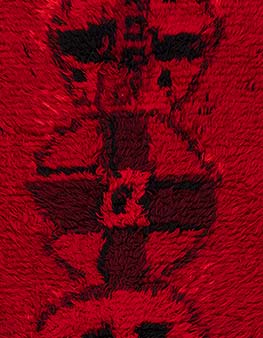
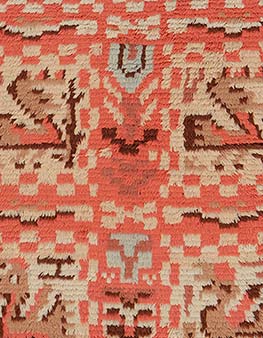
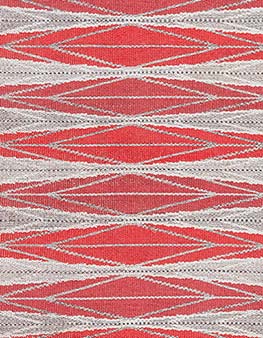
Size: 4'7" × 5'7" (139 × 170 cm)Mid-Century Scandinavian Geometric Crimson Hand-Knotted Wool Carpet Rya Pile Rug By Irja Mikkola BB9045
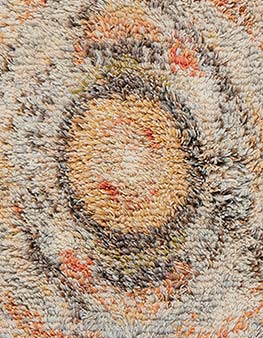
Size: 3'7" × 5'6" (109 × 167 cm)Vintage Swedish Abstract Soft Beige Hand-Knotted Wool Rug Rya Pile Rug By Terttu Tomero BB9044
Size: 3'6" × 5'5" (106 × 165 cm)Swedish Mid-Century Abstract Soft Beige Hand-Knotted Wool Rug By Aili Suomi For Sylvi Salonen BB9042
Size: 3'6" × 5'5" (106 × 165 cm)Mid-Century Scandinavian Tribal Warm Tan Hand-Knotted Wool Rug – Rya Pile Rug By Impi Sotavalta BB9041
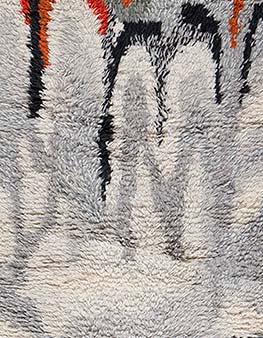
Size: 4'5" × 5'9" (134 × 175 cm)Vintage Swedish Abstract Light Gray Hand-Knotted Wool Rug Rya Pile Rug BB9039
Size: 4'8" × 6'7" (142 × 200 cm)Mid-Century Swedish Geometric Brown Hand-Knotted Wool Rug – Rya Pile Rug By Laila Karttunen BB9038
Size: 3'9" × 5'10" (114 × 177 cm)Vintage Swedish Geometric Light Beige With Warm Tan Hand-Knotted Wool Rug Pile Rug By Sigvard Bernadotte BB9037
Size: 6'2" × 8'0" (187 × 243 cm)Vintage Scandinavian Abstract Light Gray Flatweave Wool Runner By Ingegerd Silow BB9006
Size: 2'3" × 5'8" (68 × 172 cm)Scandinavian Mid-Century Abstract Ivory Hand-Knotted Wool Carpet Pile Rug By Ingrid Dessau BB8954
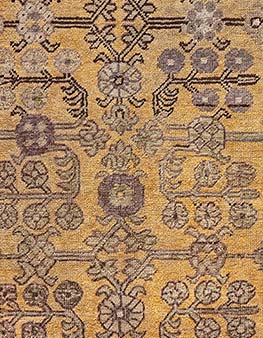
Size: 5'2" × 8'10" (157 × 269 cm)Vintage Khotan Floral Soft Beige Hand-Knotted Wool Rug BB8950
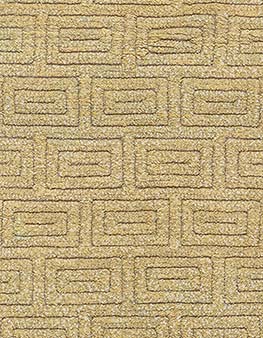
Size: 4'0" × 6'2" (121 × 187 cm)Mid-Century Swedish Geometric Golden Tan Hand-Knotted Wool Rug Half Pile Rug Designed By Elsa Gullberg BB8947
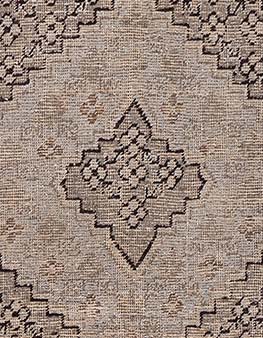
Size: 4'0" × 5'10" (121 × 177 cm)Vintage Samarkand Floral Warm Tan Hand-Knotted Wool Rug BB8946
Size: 3'9" × 5'5" (114 × 165 cm)Vintage Samarkand Floral Classic Taupe With Brown Hand-Knotted Wool Rug BB8944
Size: 3'9" × 6'10" (114 × 208 cm)Swedish Mid-Century Geometric Warm Tan Flatweave Wool Rug BB8938
Size: 1'10" × 3'5" (55 × 104 cm)Vintage Chinese Art Deco Abstract Warm Tan Hand-Knotted Wool Rug BB8937
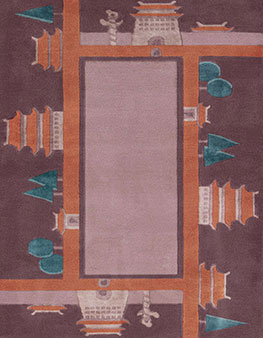
Size: 3'0" × 4'9" (91 × 144 cm)Chinese Art Deco Vintage Abstract Warm Tan Hand-Knotted Wool Rug BB8936
Size: 3'0" × 4'9" (91 × 144 cm)Vintage Floral Warm Tan Hand-Knotted Silk Carpet BB8935
Size: 3'8" × 5'2" (111 × 157 cm)Vintage Chinese Abstract Pale Sand Hand-Knotted Wool Rug BB8881
Size: 3'0" × 4'10" (91 × 147 cm)Swedish Vintage Geometric Light Beige With Brick Red Flatweave Wool Rug Double Sided BB8808
Size: 4'0" × 6'4" (121 × 193 cm)Vintage Scandinavian Tribal Cream Hand-Knotted Wool Rug Pile BB8749
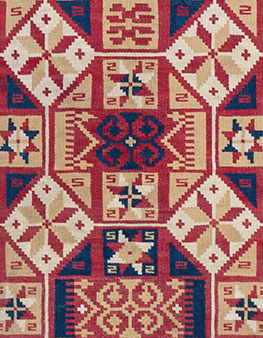
Size: 3'3" × 5'3" (99 × 160 cm)Vintage Moroccan Tribal Ivory Hand-Knotted Wool Rug BB8403
Size: 3'0" × 4'8" (91 × 142 cm)Vintage Irish Arts & Crafts Floral Forest Green Hand-Knotted Wool Runner By C.F.A. Voysey (Fragment) BB8401
Size: 4'6" × 12'7" (137 × 383 cm)





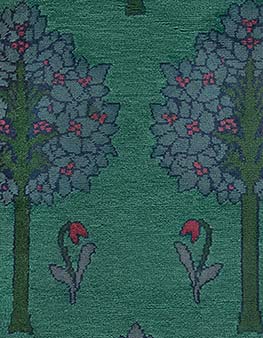
Small Rugs FAQ
Where do small vintage rugs work best?
Small vintage rugs work well in entries, bedsides, dressing rooms, libraries, powder rooms, compact seating areas, and layered interiors. They are useful when a full room-size rug would be too large, but the space still needs color, texture, pattern, or a defined focal point.
What sizes are considered small area rugs?
Small area rugs vary by category, but they generally include accent and compact formats used beside beds, in foyers, under small tables, or within larger rooms. The right size depends on furniture placement, door clearance, traffic flow, and whether the rug will stand alone or be layered.
Are small vintage rugs suitable for luxury interiors?
Yes. A small vintage rug can add craftsmanship, provenance, and visual contrast to a luxury interior without dominating the room. Designers often use them to introduce a specific period, origin, texture, or color accent in spaces where a larger rug would feel excessive.
How do I choose between pile and flatweave rugs?
Pile rugs usually feel plusher and can add depth, warmth, and a more substantial surface. Flatweaves sit lower to the floor and are practical for doors, layered schemes, and furniture areas. The best choice depends on placement, traffic, desired texture, and the visual weight of the room.
Can small antique rugs be used every day?
Many small antique rugs can be used in daily interiors when their condition, construction, and placement are appropriate. Antique rugs are typically 100+ years old, so buyers should consider pile wear, foundation strength, material, and traffic level before placing them in busy areas.
What materials are common in small vintage rugs?
Common materials include wool, cotton, silk, and wool-and-silk combinations. Wool is valued for durability and color depth, cotton is often used in flatweaves and foundations, and silk can create a finer, more luminous surface suited to decorative or lower-traffic settings.
Can a small rug be custom made?
Yes, a custom made rug can be appropriate when a room needs an exact size, palette, or design direction that is difficult to find in an antique or vintage piece. Custom options are especially useful for coordinated interiors, unusual architectural footprints, or repeated placements across a project.